

)
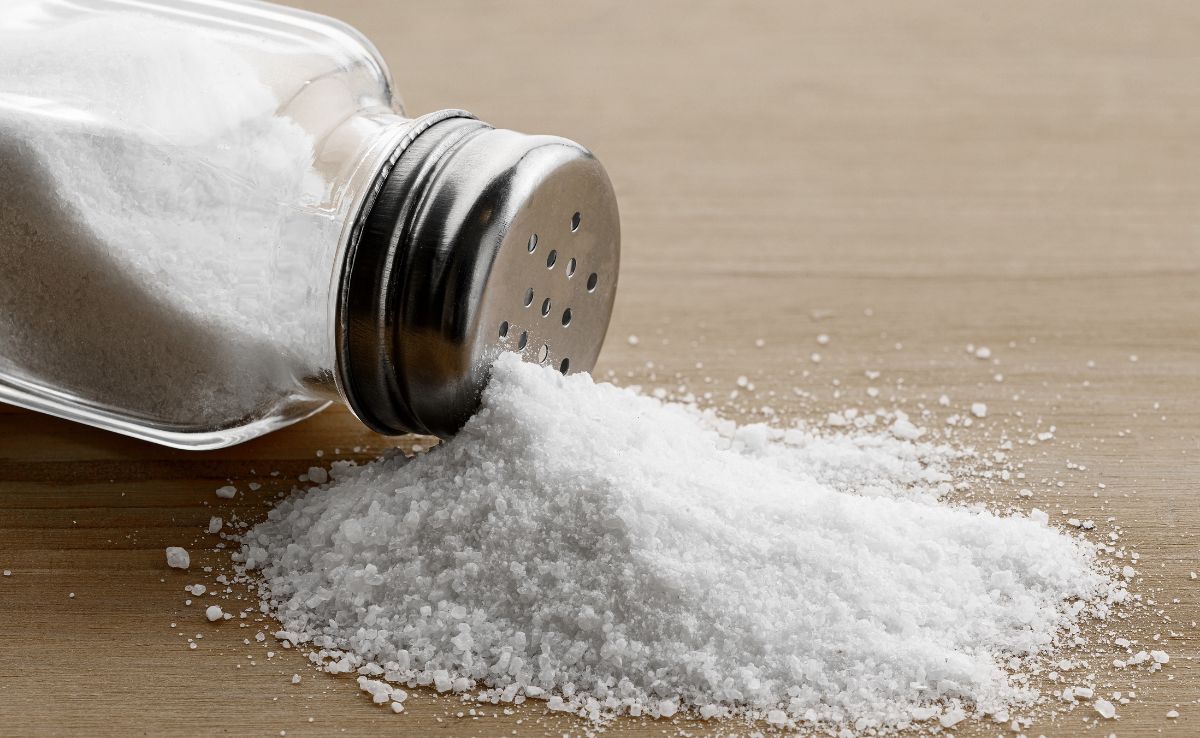
Consuming too much sodium presents a broad spectrum of health risks that extend far beyond high blood pressure. Excessive salt intake, often exceeding the 2,300 mg daily limit, can damage your kidneys, bones, brain, and stomach over time. High sodium intake is a significant contributor to heart disease. It disrupts the body's natural fluid balance, forcing the heart to work harder and damaging blood vessels over time. Chronic high pressure overstretches and injures artery walls, making them stiff and narrow. These damaged spots are more prone to plaque buildup (atherosclerosis), significantly raising the risk of heart attack and stroke.
Surprisingly, over 70% of dietary sodium comes from packaged and restaurant foods rather than the salt shaker at home. Many of these do not even taste salty. Here are some common foods that are secretly increasing your sodium intake.
These foods are silently increasing your sodium intake
1. Processed foods
Items such as frozen meals, lunch meats, and canned soups often contain high levels of sodium for flavour and preservation. Instant oatmeal and cereal, even the sweet ones, use salt as a preservative.
2. Condiments and sauces
Ketchup, soy sauce, salad dressings, and marinades can contribute a significant amount of salt, sometimes more than expected.
3. Snack foods
Chips, namkeens, bhujias and salted nuts can add up quickly in sodium content.
4. Bread and bakery products
Many types of bread have added salt, which can increase daily sodium intake without one realising it.
5. Cheese
Certain varieties of cheese can be surprisingly high in sodium.
6. Pickles
Traditional pickling relies on heavy brining to prevent spoilage. A single tablespoon can contain approximately 300-600 mg of sodium.
7. Packaged paneer
While fresh paneer is naturally low in sodium, some packaged versions use salt as a preservative.
Tips to control overall sodium intake
1. Read labels
Always check the nutrition labels for sodium content, and aim for products with lower sodium per serving.
2. Cook at home
Preparing meals from scratch allows you to control the amount of salt being used. Use fresh herbs and spices for flavour instead.
3. Choose lower-sodium options
Look for low-sodium or no-salt-added versions of products.
4. Limit processed foods
Try to reduce your consumption of processed and packaged foods, as they can be significant sources of hidden sodium.
5. Be mindful at restaurants
Ask for dishes to be prepared without added salt, or request the sauce or dressing on the side to control how much you consume.
By being aware of sodium intake and making conscious food choices, you can help protect your heart and overall health.
Disclaimer: This content including advice provides generic information only. It is in no way a substitute for a qualified medical opinion. Always consult a specialist or your own doctor for more information. NDTV does not claim responsibility for this information.