-

Trainee IPS Officer Accused Of Sexual Harassment Attempts Suicide
The complainant accused him of recording a private video of her without her knowledge or consent and sending it to her husband in an attempt to blackmail her.
-

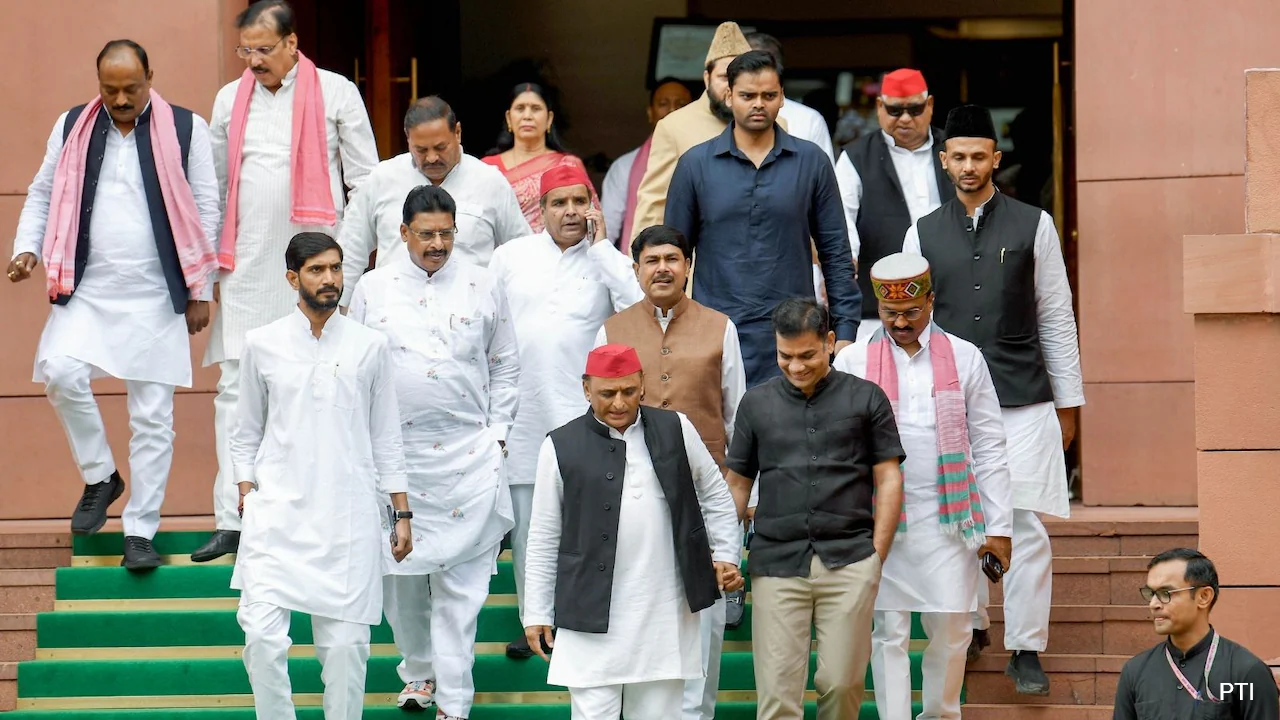
UP Seat-Sharing Buzz As Rahul Gandhi, Priyanka Gandhi And Akhilesh Yadav Meet
Akhilesh Yadav faces the challenge of preventing Chief Minister Yogi Adityanath from securing a hat-trick of election victories. For this, seat-sharing with the Congress is crucial
-
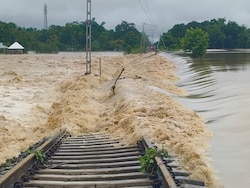
10 Dead, 3.62 Lakh Affected As Assam Flood Situation Worsen
In many parts of Upper Assam, floodwaters have entered residential areas, severed road connectivity and submerged vast stretches of agricultural land.
-
Another Maternal Death In Rajasthan As Woman Dies In Post-Partum Complications
The woman had undergone a normal delivery at Tinwari town near Jodhpur and given birth to a baby girl, but suffered uncontrolled bleeding immediately after childbirth.
-
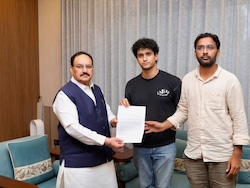
JP Nadda-CJP Meet And A 'Missing' Letter: The Inside Story
Sources said two CJP representatives turned up to meet Nadda without their demands in writing.
-
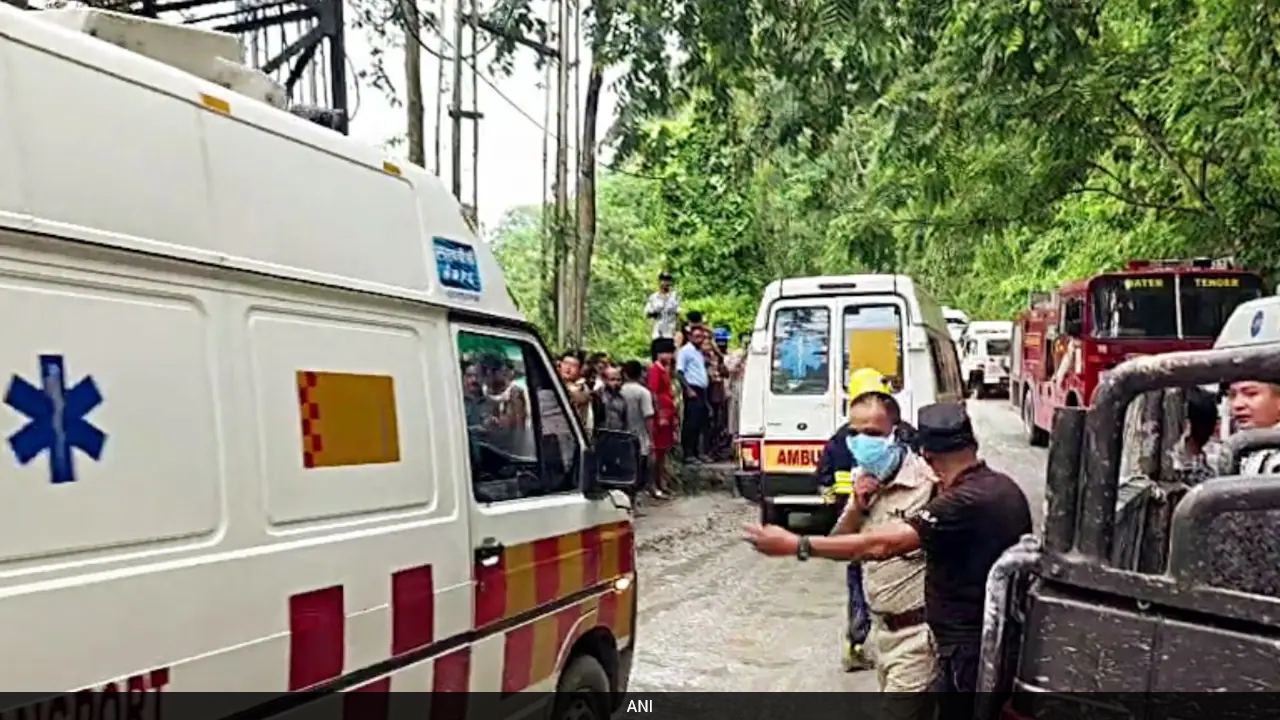
1 Killed, Several Trapped In Sikkim Tunnel After Landslide Triggers Gas Leak
Officials said methane levels inside the tunnel remained high initially that rescuers were unable to reach the location
-
Allahabad High Court Judge Challenges Denial Of Exemption Under New Tax Regime
Justice Jain, in his petition filed before the court, has challenged the denial of exemption of statutory allowances prescribed under Section 22D of the High Court Judges.
-
All Workers Trapped In Sikkim Tunnel Rescued After Massive Operation
The workers were trapped at Mamring near Rangpo, where the Samardung tunnel is being constructed for the Teesta Stage VI Hydroelectric Project.
-
Court Refuses To Stay Probe Into 'Diversion' Of Rs 133.84 Crore By Trinamool
On June 23, the ED registered an Enforcement Case Information Report (ECIR) based on an FIR lodged by the Bidhannagar Cyber Crime Police, alleging money laundering through the party's funds.
-
Class 10 Student Attacks Teacher With Screwdriver In Haryana's Sirsa
According to school principal Pratap Chakravarty, teacher Sunil Birat was checking students' homework when the student came from behind and stabbed him several times in the neck with a screwdriver.
-
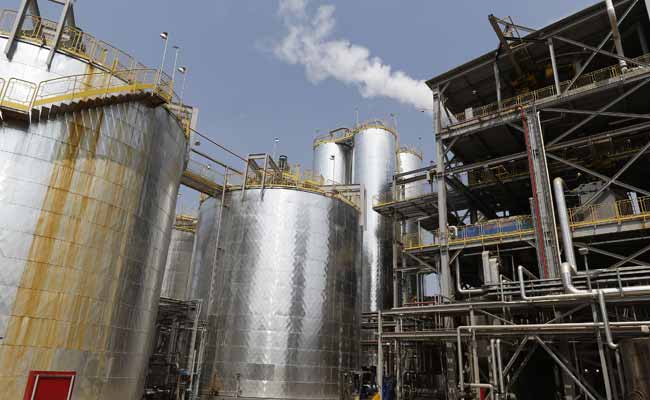
No Decision On Ethanol Blending Beyond 20%: Minister In Rajya Sabha
The minister said India reached the 20 per cent blending target five years ahead of schedule, with average blending rising from about 1.53 per cent in 2013-14 to 20 per cent in the 2025-26 supply year, after more than two decades of phased rollout.
-
4 Of Family Swept Away In Assam Flash Floods, Villagers Allege Delay
According to local residents, heavy rainfall triggered a sudden rise in the water level, inundating several parts of the village. As floodwaters entered the house of Rohini Dubara, the family attempted to move to a safer location.
-
Security Measures To Talks: How Centre Handled Escalation Of CJP Protest
Sources said Home Minister Amit Shah took the lead in reviewing the situation and discussing the way forward.
-
Explained: Why Punjab's MGNREGA Protest Is A Political Test For AAP
Thousands of MGNREGA employees and workers from all 23 Punjab districts and nearly 250 blocks gathered in Khanna on Monday to press for their long-pending demands.
-
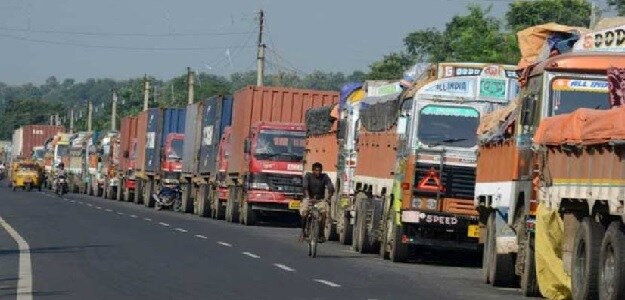
Get 10-Year Tax Waiver In Delhi By Scrapping Old Commercial Vehicle
The Delhi government says around 2.07 lakh truck and bus owners across the National Capital Region could benefit. The package includes tax exemptions, registration-fee waivers, interest support and manufacturer discounts.
-
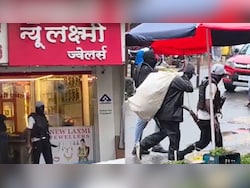
On Camera, 3 Men Loot Jewellery Shop In Maharashtra
To discourage witnesses from intervening, they fired shots in the air before speeding away on their motorcycle.
-
Nepal Man Beats Father To Death With Iron Rod In Bengaluru Apartment Complex
The father had joined as a security guard at an apartment complex on Friday and the son went there in search of a job two days later.
-
60,000 People Duped Of Rs 100 Crore In Job Scam, 6 Arrested In UP
A joint team of the Cyber Cell, Crime Branch and Hanumant Vihar police arrested six alleged members of the syndicate during a raid at Mangalam garden on Arra Road in Barra, police said.
-
RBI Flags Conflict, Monsoon Risks. These May Already Be Pushing Inflation
The RBI has already revised its inflation outlook upward. In its June monetary policy, the central bank raised its FY27 CPI inflation forecast to 5.1 per cent from 4.6 per cent projected earlier.
-
"Tear-Gassing, Lathicharging Students Not India's Way": Rahul Gandhi On CJP March
The Delhi Police fired tear gas and baton-charged protesters on Monday as they tried to march on parliament to demand the resignation of Education Minister Dharmendra Pradhan over irregularities in major examinations, including question paper leaks and technical glitches.