

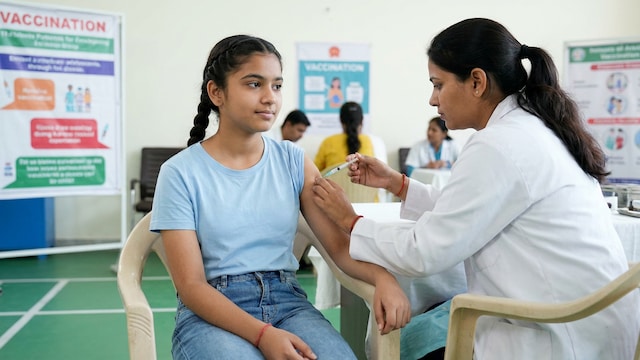
World Cervical Cancer Elimination Day is observed every year on November 17 to raise awareness about prevention and elimination of cervical cancer. The day was established by the World Health Assembly in 2025. The focus is to improve access to HPV vaccination, cervical cancer screening and timely treatment.
Cervical cancer develops in the cervix which is the lower part of the uterus. The condition, in most cases, is linked to persistent infection with high-risk types of human papillomavirus (HPV). It is largely preventable through vaccination and regular screening. According to the World Health Organisation (WHO), around 6,04,000 new cases of cervical cancer and 280,000 deaths were reported globally in 2024. The disease can take years to develop after a persistent HPV infection, which makes prevention and early detection very important.
How Does The HPV Vaccine Help Prevent Cervical Cancer?
HPV is a very common virus transmitted mainly through sexual contact. Most HPV infections are cleared naturally by the immune system and do not cause problems. However, some high-risk HPV infections can persist and cause abnormal changes in cervical cells, which may eventually develop into cancer.
The HPV vaccine helps to prevent infection with HPV types that can cause cancer. It is a preventive vaccine, which means it works best when it is given before a person is exposed to HPV. The vaccine does not treat an existing HPV infection or remove abnormal cells that have already developed. WHO says HPV vaccination is highly effective at preventing HPV infection, cervical cancer and other HPV-related cancers. The vaccine is particularly effective when administered during adolescence, before the individual has been exposed to the virus.
Also read: India's New HPV Pill SHetA2: What Patients Must Know Before Getting Their Hopes Up
Who Should Get The HPV Vaccine?
HPV vaccination is primarily recommended for adolescents, with the ideal age depending on national vaccination schedules.
According to WHO, HPV vaccination is recommended for girls between 9 and 14 years of age. But countries may have their own schedules. The vaccine can also be given to boys in some countries because HPV can cause other cancers and vaccination can help reduce HPV transmission within the population. In India, the National Technical Advisory Group for Immunization (NTAGI) has recommended introduction of HPV Vaccine in the Universal Immunization Programme (UIP) with a one-time catch-up for 9-14-year-old adolescent girls followed by routine introduction at 9 years.
The US Centers for Disease Control and Prevention (CDC) recommends routine HPV vaccination at 11 or 12 years, although vaccination can begin as early as age 9. Children and young adults who missed vaccination can receive catch-up vaccination through age 26.
What If Someone Missed The Vaccine In Childhood?
Missing the vaccine during adolescence does not necessarily mean that vaccination is no longer useful. People who have not been adequately vaccinated can receive catch-up vaccination through age 26, according to CDC recommendations. The vaccine may still protect against HPV types to which a person has not been exposed.
However, the benefit tends to be lower when the vaccine is given later because the likelihood of previous HPV exposure increases with age.
Also read: Can Cervical Cancer Affect Young Women? All Risk Factors Listed
Can Adults Benefit From The HPV Vaccine?
Some adults between 27 and 45 years may still benefit from HPV vaccination, but it is not routinely recommended for every adult in this age group. The CDC recommends discussing vaccination with a doctor based on an individual's circumstances.
For example, an adult who may have a future new sexual partner could potentially be exposed to an HPV type they have not encountered before. In contrast, someone in a long-term, mutually monogamous relationship is less likely to acquire a new HPV infection. It is also important to understand that getting vaccinated as an adult does not treat an HPV infection that is already present. The vaccine aims to prevent new infections with HPV types covered by the vaccine.
Does The HPV Vaccine Mean Cervical Screening Is Not Needed?
No, HPV vaccination and cervical screening work together. Even vaccinated people should undergo the recommended cervical cancer screening. This is because the vaccine does not protect against every possible cancer-causing HPV type, and the vaccine may be taken after someone has already been exposed to HPV. Hence, the screening is important even after someone has taken the vaccine. WHO also says that cervical screening is an important part of prevention.
How Many Doses Of Cervical Cancer Vaccine Are Needed?
The number of doses depends on the age at which vaccination begins and a person's health status. In India, the vaccine schedule for 9 to 14 years is 2 doses administered at a gap of 6 months. For 14 to 45 years, 3 doses are given at an interval of 0, 2 and 6 months. And for those between the ages of 27 and 45, they can consider taking the vaccination after consulting a doctor, though efficacy may be lower if already exposed to the virus.
On February 28, Prime Minister Narendra Modi launched a nationwide HPV Vaccination Programme for the prevention of cervical cancer among women. Under this initiative, vaccines will be available free of cost at government facilities to approximately 1.15 crore girls aged 14 years across all States and Union Territories.
Read more: All About The HPV Vaccine In India: Age, Doses And Who Should Avoid
Disclaimer: This content including advice provides generic information only. It is in no way a substitute for a qualified medical opinion. Always consult a specialist or your own doctor for more information. NDTV does not claim responsibility for this information.