

)
The announcement of India's first investigational oral drug targeting HPV-related precancerous cervical lesions has generated excitement among doctors, researchers and patients alike. Developed by scientists at the Indian Council of Medical Research (ICMR) and licensed to Emcure Pharmaceuticals for further development, SHetA2 is being hailed as a potential breakthrough in the fight against cervical cancer, a disease that remains one of the leading causes of cancer deaths among Indian women.
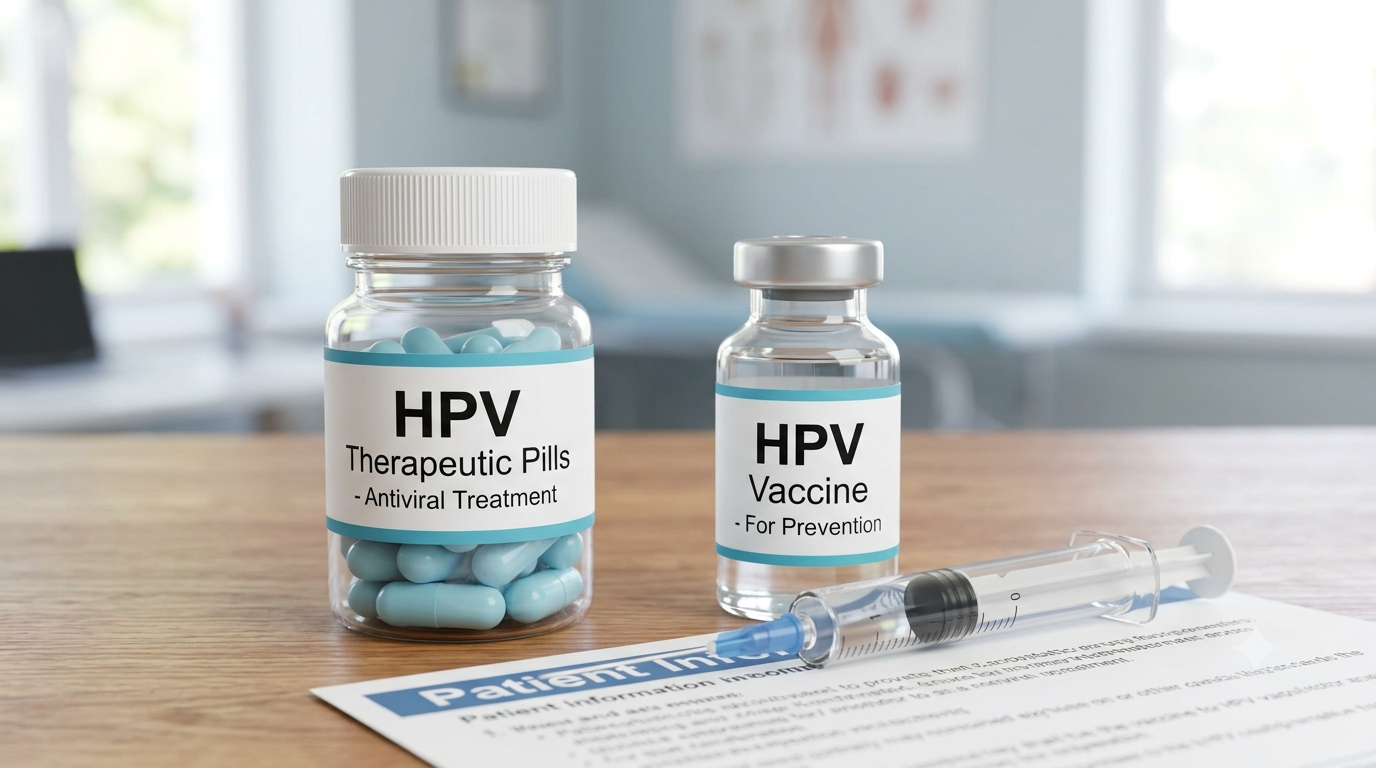
Unlike HPV vaccines, which help prevent infection, SHetA2 is designed to treat women who have already developed precancerous changes caused by persistent high-risk HPV infection. Early laboratory and clinical findings have been encouraging, raising hopes that the pill could one day offer a non-surgical treatment option for women with cervical intraepithelial neoplasia (CIN).
However, experts urge caution against interpreting the headlines as an imminent cure. The pill is still under clinical development and must undergo years of rigorous testing before it can become available to patients. So, what exactly is SHetA2? How close is it to reaching hospitals? And what should women understand before pinning their hopes on this new therapy?
What Is SHetA2 And How Is It Different From The HPV Vaccine?
One of the biggest misconceptions surrounding the news is that SHetA2 is a new way to prevent HPV infection. It is not.
According to Dr Mohit Agarwal, Principal Director & Head, Medical Oncology, Fortis Hospital, Shalimar Bagh, the investigational pill is designed to treat HPV-related precancerous cervical lesions, not prevent the initial HPV infection.
"The new pill, SHetA2, is an investigational oral therapy designed to treat precancerous cervical lesions caused by HPV, not prevent the initial infection. It works by targeting and destroying HPV-infected cells while potentially sparing healthy tissue," Dr Agarwal told NDTV Lifeline.
This distinction is crucial. HPV vaccination helps prevent infection with high-risk HPV types that cause most cervical cancers. SHetA2, on the other hand, is intended for women who have already developed abnormal cervical cells after persistent HPV infection.
Why Are Experts Calling It A Breakthrough?
Current treatment for high-grade cervical precancer often involves surgical procedures such as Loop Electrosurgical Excision Procedure (LEEP) or conisation, which remove abnormal tissue from the cervix.
While these procedures are highly effective, they can carry potential risks, particularly for younger women planning future pregnancies. Researchers hope SHetA2 could eventually offer a targeted, tissue-preserving alternative.
Rather than removing part of the cervix, laboratory studies suggest the drug may selectively destroy HPV-infected abnormal cells while leaving healthy tissue largely unaffected.
If future clinical trials confirm these findings, it could represent an important shift in how cervical precancer is managed.
So, When Will Patients Be Able To Get It?
The short answer is: not anytime soon.
Dr Agarwal cautions that although the drug has shown encouraging results in early research, patients should understand that it remains several years away from routine clinical use. "The pill is still several years away from being available to the public. While it has shown promise in preclinical and early clinical studies, it must now undergo larger human clinical trials to confirm its safety and effectiveness," he said.
According to him, these pivotal studies alone could take up to five years, followed by regulatory review before the medicine can be approved for patients. "It is currently a promising research advance, not a treatment ready for patients," he added.
This is a reminder that many promising cancer therapies ultimately fail during later-stage trials because they do not prove sufficiently safe or effective in larger populations.
What Challenges Could Delay Its Availability?
Even after successful clinical trials, bringing a new drug to Indian patients involves several practical challenges.
Dr Agarwal points to three major hurdles:
- Pricing: Developers must navigate India's Drugs (Prices Control) Order (DPCO) and commercial pricing considerations before launch. Although SHetA2 is expected to be less expensive than complex biologic medicines, its final price has not yet been determined.
- Manufacturing: Producing a novel therapy at scale requires specialised manufacturing infrastructure and strict quality control.
- Distribution: Ensuring equitable access across urban and rural India remains another major challenge. "Supply and distribution can be challenging, especially for products that may require specific manufacturing expertise. Ensuring equitable distribution across India's diverse landscape also remains a significant hurdle," Dr Agarwal explained.
What Should Patients Keep In Mind While Reading 'Breakthrough' Headlines?
Medical breakthroughs often generate understandable optimism, but experts say it's important to separate hope from hype. Dr Agarwal advises patients not to mistake promising early research for an immediately available cure. "When reading about 'breakthrough' drugs, patients should remember this is an early-stage development, not an immediate cure," he said.
He also emphasised another common misconception: "It is essential to distinguish between a preventive vaccine and a therapeutic pill, this pill is for those already with precancerous lesions."
Most importantly, he says women should continue relying on proven prevention strategies. "Established prevention strategies like HPV vaccination and regular screening, such as Pap smears, remain the most effective ways to prevent cervical cancer and should not be ignored."
Why HPV Vaccination And Screening Still Matter
According to the World Health Organization (WHO), nearly all cervical cancer cases are linked to persistent infection with high-risk HPV.
The organisation's global elimination strategy focuses on three pillars:
- Vaccinating girls against HPV before exposure
- Screening women using high-performance tests
- Prompt treatment of precancerous lesions
No investigational therapy, including SHetA2, changes those recommendations.
Women should continue to:
- Receive HPV vaccination when eligible
- Attend regular cervical screening
- Seek medical advice for abnormal bleeding or persistent symptoms
- Follow up promptly if precancerous changes are detected
India's SHetA2 programme represents one of the country's most promising advances in cervical cancer research and reflects growing investment in indigenous innovation. If future clinical trials confirm its safety and effectiveness, the investigational pill could eventually offer women a less invasive treatment option for HPV-related precancerous lesions. But for now, it remains a scientific development, not a treatment available in hospitals. As experts stress, the excitement surrounding SHetA2 should reinforce, not replace, the importance of HPV vaccination, regular screening and evidence-based care. For patients, the most powerful weapon against cervical cancer today is still early prevention and timely detection, while the promise of tomorrow's therapies continues to be rigorously tested.
Also Read: India's New Cervical Cancer Breakthrough Pill May Stop HPV Before It Turns Cancerous
Disclaimer: This content including advice provides generic information only. It is in no way a substitute for a qualified medical opinion. Always consult a specialist or your own doctor for more information. NDTV does not claim responsibility for this information.