

The transition in weather brings cooler mornings, changing temperatures and, in many parts of India, increasing air pollution. During this time, respiratory infections such as colds and flu can become more common. While changes in weather do not directly weaken the immune system, spending more time outdoors and being exposed to respiratory viruses can increase the chances of falling sick. Eating a balanced diet is one of the most important ways to support immune function.
The body needs a steady supply of essential nutrients to produce immune cells, fight infections and repair damaged tissues. Vitamins, minerals, antioxidants, protein and fibre all play an important role in maintaining overall health. Seasonal fruits, fresh vegetables, nuts, seeds and warming ingredients can be extremely beneficial. However, no single food can prevent infections or guarantee strong immunity. Healthy eating habits along with adequate sleep, regular physical activity, and hydration can help the body stay healthy. Here are some foods that can boost your immune system during seasonal change.
Foods To Boost The Immune System
1. Citrus Fruits
Citrus fruits like oranges, sweet lime and amla are rich in vitamin C which supports the immune system and helps the body fight infections. During seasonal change, when temperatures begin to drop and respiratory infections become more common, including vitamin C-rich foods in your daily diet can help boost your immunity. Vitamin C also supports the production and functioning of white blood cells, which help the body respond to harmful germs. It also helps protect cells from oxidative damage caused by free radicals.
2. Green Leafy Vegetables
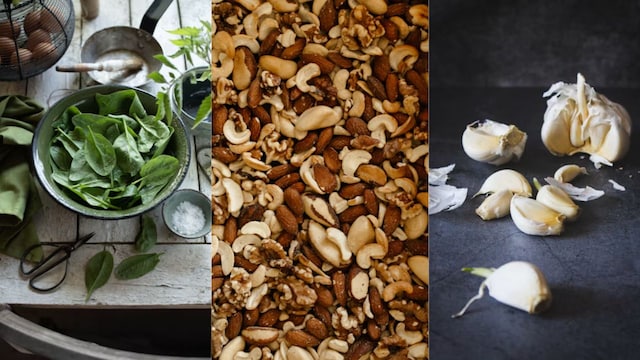
This is the best time to add fresh green leafy vegetables in your meals. Spinach, mustard greens, fenugreek leaves and other greens provide essential vitamins, minerals and antioxidants that support immune function. For example, Vitamin A in spinach helps maintain healthy skin and the lining of the respiratory tract
3. Nuts And Seeds
Nuts and seeds like almonds, walnuts and pumpkin seeds are good additions to the winter diet because they provide healthy fats, protein, vitamin E and minerals such as zinc. Almonds contain vitamin E which is an antioxidant that helps protect cells from damage, while pumpkin seeds provide zinc which is important for immune cells. Walnuts also provide healthy fats, including omega-3 fatty acids. Getting enough of these nutrients helps the immune system function properly.
4. Ginger And Garlic
Ginger and garlic are commonly used in Indian cooking and can add both flavour and nutritional value. Ginger contains compounds called gingerols, which have antioxidant and anti-inflammatory properties. Garlic contains allicin and other sulphur-containing compounds that have been known to boost immune function. These ingredients can be included in everyday meals without making any major changes to your diet.
5. Curd And Other Fermented Foods
Curd is a good food to include in your diet because it provides protein, calcium and good bacteria. These bacteria can support the balance of microorganisms in the gut. Since the gut plays an important role in immune function, maintaining a healthy gut environment is an important part of supporting the body's natural defences. Other fermented foods, such as idli and dosa made using fermented batter, can also be part of a balanced diet.
6. Eggs And Other Protein-Rich Foods
Protein is essential for building and repairing body tissues and producing antibodies and other components involved in immune responses. During seasonal changes, it is important to consume enough protein rather than relying only on fruits and vegetables. Eggs are a good option because they provide high-quality protein along with vitamin B12, selenium and other essential nutrients. Vegetarians can get their protein from lentils, chickpeas, kidney beans, paneer, milk and soy products. Fish and lean meats are also good options for non-vegetarians.
7. Sweet Potatoes, Carrots And Other Seasonal Vegetables
Sweet potatoes and carrots are useful additions to the diet because they are rich in beta-carotene, which the body converts into vitamin A. This vitamin helps maintain healthy skin and the lining of the nose, throat and respiratory tract. These protective barriers help prevent harmful microorganisms from entering the body. Carrots also provide fibre and antioxidants, while sweet potatoes supply carbohydrates that provide energy. Other seasonal vegetables, including pumpkin, can contribute to a varied and nutrient-rich diet.
Disclaimer: This content including advice provides generic information only. It is in no way a substitute for a qualified medical opinion. Always consult a specialist or your own doctor for more information. NDTV does not claim responsibility for this information.