

)
There's a reason why people say that so much depends on your gut health. When your gut is healthy, it can have a positive impact on how you feel and your overall well-being. Beyond its primary role in digesting food, the gut supports the immune system, communicates with the brain, influences mood and stress levels, plays a role in metabolism and weight management and may also help regulate chronic inflammation.
Understanding the importance of gut health, nutritionist Anjali Mukerjee explains how gut bacteria produce molecules called short-chain fatty acids (SCFAs), which can influence several processes across the body. In a video shared on Instagram, she talks about these molecules and the role they play in maintaining overall health.
Take a look:
In the clip, she asks, “Did you know that your gut bacteria make these magic molecules called short-chain fatty acids, which influence every part of your body?” She goes on to explain, “Yes, they influence your hair, digestion, moods, and nutrient deficiencies.”
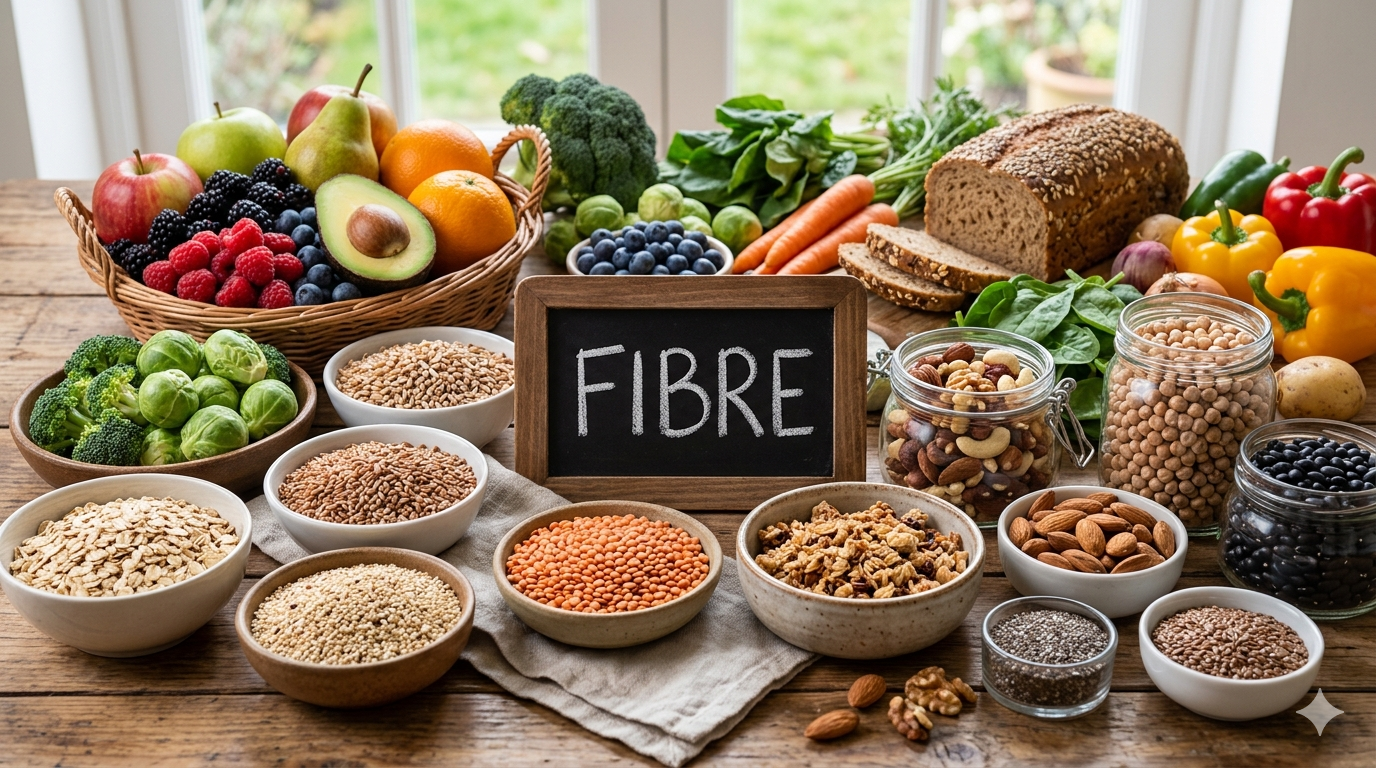
The three main types of short-chain fatty acids are acetate, propionate and butyrate. So, what do you feed your gut to help it produce these beneficial molecules? Anjali explains that resistant starch is one of the key foods. It can be found in foods such as green banana flour and boiled and cooled rice. She also highlights the importance of soluble fibre, which helps the gut produce butyrate. Seeds such as methi, sesame and flax seeds are good sources of soluble fibre, while fruits and vegetables can also provide it.
She recommends consuming around 50 grams of seeds and says soluble fibre supplements can also be considered. “Feed your body soluble fibre so that it is fodder for the good bacteria in your gut, which in turn will make the short-chain fatty acids,” she suggests.
For the caption, she writes, “You have a tiny pharmacy inside you. You just have to feed it. Your gut is constantly working behind the scenes, producing postbiotics that can influence far more than digestion alone. But here's what we often forget: good gut bacteria are produced with fermented foods and they multiply with the soluble fibre you feed them.”
Instead of always asking, “Which probiotic should I take?”, she says, one should start asking, “Am I giving my gut bacteria the soluble fibre it needs to make the short-chain fatty acids?” That shift can make all the difference.
Now that you know how to take better care of your gut health, it's time to put it into practice.
Disclaimer: This content including advice provides generic information only. It is in no way a substitute for a qualified medical opinion. Always consult a specialist or your own doctor for more information. NDTV does not claim responsibility for this information.