

)
The Food Safety and Standards Authority of India (FSSAI) is proposing to introduce front-of-pack warning labels for packaged foods in a single phase. Under the proposal, products that are high in ingredients such as salt, sugar or fat could carry a prominent warning on the front of the pack. The move is aimed to make nutrition information easier for consumers to notice and understand while making food choices. FSSAI has proposed using nutrient thresholds based on the ICMR-NIN Dietary Guidelines for Indians, 2024.
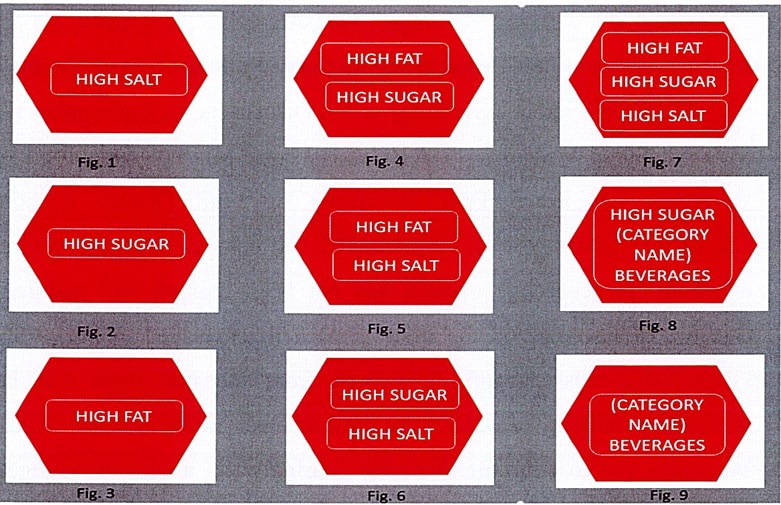
The proposal also says that a product would be covered if it is high in even one of the nutrients of concern, rather than only when it is high in multiple nutrients. The proposed warning would use a red hexagon with a white background and would identify the nutrient that crosses the specified threshold. If a product is high in two or three nutrients, the applicable nutrients would be displayed together in the warning. FSSAI is also considering a front-of-pack warning for foods and beverages containing non-caloric sweeteners.
The proposal states that such products may carry the statement "CONTAIN NON CALORIC SWEETENER" on the front of the pack, whereas the same declaration is currently mentioned on the back. The authority has also explained why it does not propose separate pictorial symbols for every nutrient, saying these could create additional confusion or misinterpretation, particularly when several nutrients are involved.
What Will The Warning Label Look Like?
The proposed Front-of-Pack Nutrition Labelling (FoPL) system will use a red hexagon placed against a white square background. The nutrient of concern would be written inside the hexagon. The proposed placement and design include:
- The warning will be placed on the top left of the front of the pack.
- The nutrient name will be clearly mentioned inside the red hexagon.
- If only one nutrient crosses the threshold, only that nutrient will be displayed.
- If two or three nutrients cross the threshold, the applicable nutrients will appear together in one hexagon.
- The font size of the warning will be at least one point larger than the nutrition information provided at the back of the pack.
High Salt, Sugar Or Fat: One Is Enough
Under FSSAI's proposal, a product does not have to be high in all three nutrients to receive a warning. Being high in even one nutrient of concern would be enough.
The proposed thresholds are based on the ICMR-NIN Dietary Guidelines for Indians, 2024. FSSAI has stated that the criteria would apply irrespective of how processed a food is. For example, fresh lemon water containing more than the specified level of added sugar or salt could attract a warning, while packaged chips exceeding the proposed limits for added fat or salt could also be covered. The current proposal also aims to use added sugar and added fat rather than total sugar and saturated fat for the relevant criteria.
Non-Caloric Sweetener Warning
FSSAI is also proposing a front-of-pack declaration for products containing non-caloric sweeteners. The proposed statement is "CONTAIN NON CALORIC SWEETENER".
Currently, the same warning is mentioned on the back of the pack. Moving it to the front would make the information more visible to consumers when they look at a product. The proposal specifically discusses displaying the declaration on the front of packaged foods and beverages containing non-caloric sweeteners.
FSSAI has proposed a single-phase approach and expects to take about four months to issue and finalise the draft regulations. The draft would be published for 60 days to allow stakeholders to submit comments. These comments would then be examined before the final notification is processed.
Food businesses would get a 365-day voluntary implementation period. FSSAI has said this is intended to prevent commercial hardship, particularly for products that already have packaging printed under the existing rules.
Disclaimer: This content including advice provides generic information only. It is in no way a substitute for a qualified medical opinion. Always consult a specialist or your own doctor for more information. NDTV does not claim responsibility for this information.