

)
Healthcare professionals across the country are seeing an increase in cases of children diagnosed with kidney stones. There's been a 10% increase every year over the last decade or so. What is more concerning is that the average age of presentation, which used to be mostly older children and adolescent age groups, is decreasing with many younger children being diagnosed now with renal stones. Also the number of children needing surgical procedures for stones are also on the rise.
What Causes Kidney Stones?
The primary cause of kidney stones is a deposition of different minerals, most commonly calcium, within the urinary tract, and most are calcium based. They can travel from the kidney, down the urinary tract, to the bladder and eventually small stones can be passed out. However sometimes stones can get stuck in tight spaces in the urinary tract, which can obstruct the flow of urine and create stretch on the kidney. This can be very painful. In some situations, surgical intervention may be needed to remove the stone. If left untreated, kidney stones can cause damage to the kidney, serious infection of the urinary tract and over time, can damage the function of the kidney.
Another reason for stone formation in children that has been recently purported has been increased antibiotic use in children, which alter the gut flora and lead to increased absorption of minerals like oxalate leading to stone formation. Hence, parents should be more cautious in using antibiotics in children and use them sparingly based on doctor's advice and only in indicated situations.
Kidney Stone Prevention
As parents, two common questions that are asked is how can I prevent my child from developing stones and what are the symptoms that I need to watch out for diagnosing this condition early.
How To Prevent Stones?
Parents can help their children avoid kidney stones by promoting healthy habits at home. Two of the most common causes for stone formation in children are not drinking enough water and having a diet with excess salt and ultra-processed foods.
It's imperative for parents to ensure children drink an adequate amount of water during the day, especially in school by monitoring their water bottle volumes at the end of the day. Also nowadays parents can also use water drinking tracking apps to help keep children accountable and increase their water intake. With regards to diet, in order to maintain a healthy diet, it is strongly recommended to reduce any excess salt and ultra-processed foods which usually contain a lot of preservatives. One way of ensuring this is eating out less and cooking meals at home with reduced salt.
When To Seek Medical Attention?
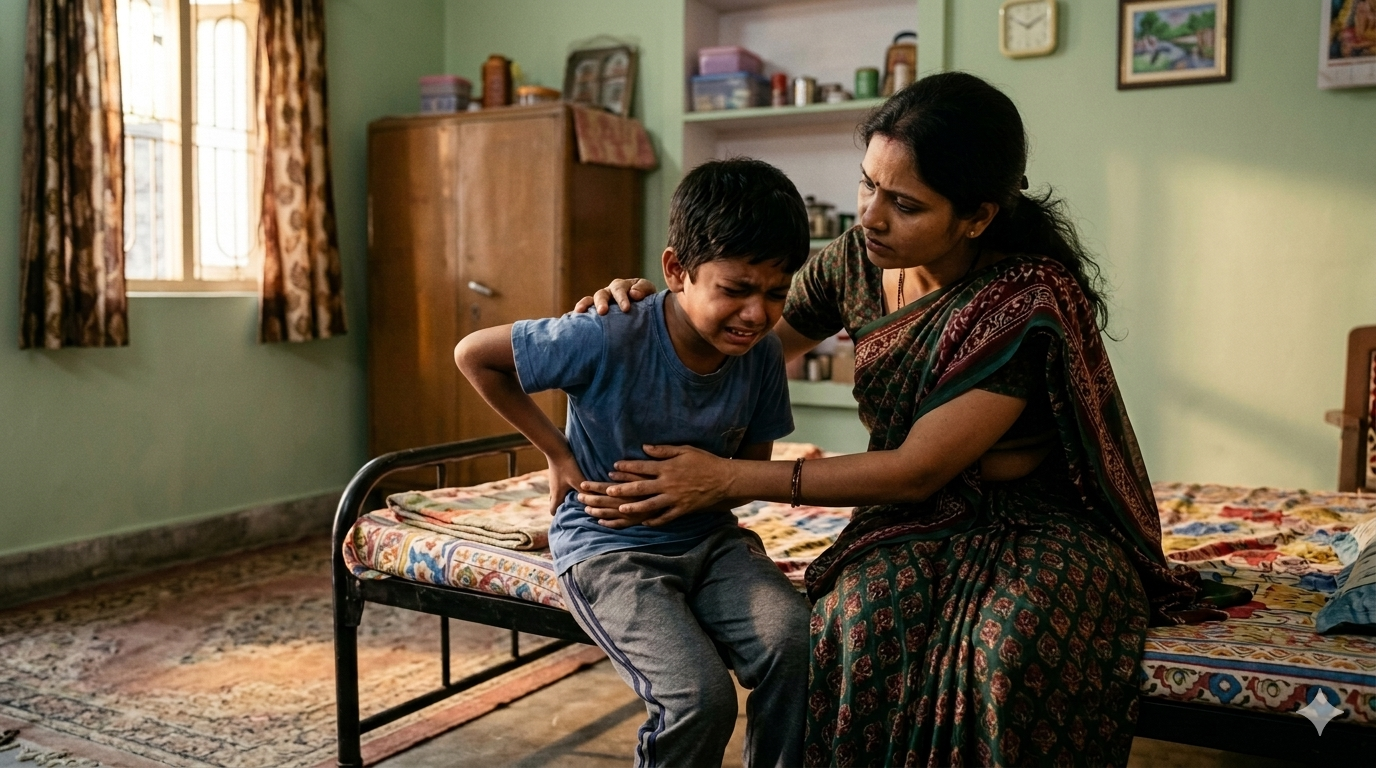
- The most common symptom of kidney stones is pain in the sides which can sometimes radiate down towards the groin.
- Children experiencing kidney stones usually experience flank pain on the side in which the stone is located.
- Sometimes, when the stones are lower down in the ureter closer to the bladder, they may have pain while passing urine.
- Frequency and Urgency: Urinating more often and a strong overwhelming need to urinate.
- Other symptoms include fever and/or blood in the urine.
A point to be noted is, in very young children, who cannot verbalise their symptoms, nonspecific symptoms like incessant crying, fever, vomiting can also be markers of an underlying stone issue and should alert the parent. Parents should seek immediate medical attention at a local emergency department if children are experiencing any of these symptoms. Medical professionals can use imaging in the form of ultrasound to determine if it is indeed a stone in the urinary tract.
Disclaimer: The opinions expressed within this article are the personal opinions of the author. NDTV is not responsible for the accuracy, completeness, suitability, or validity of any information on this article. All information is provided on an as-is basis. The information, facts or opinions appearing in the article do not reflect the views of NDTV and NDTV does not assume any responsibility or liability for the same.