

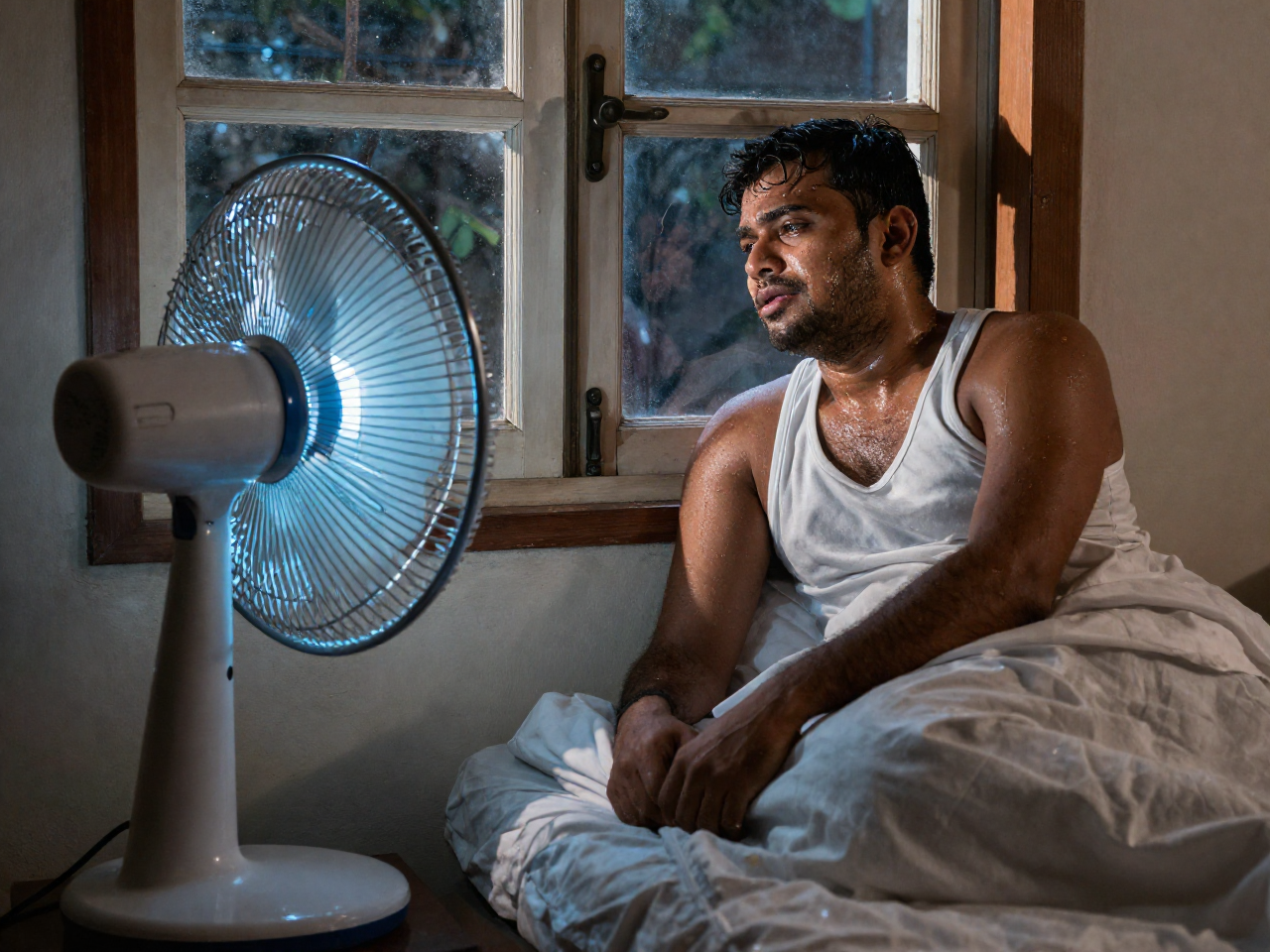
)
49% of people struggle to fall asleep during summers because of warm temperatures, discomfort, and regulation issues with the body's core temperature. This figure has been flagged in a ResMed global sleep survey, and now, to further worsen the state of sleep deprivation in summers, a new study indicates that Indian cities are not cooling down during summers even after the sun has set. This is creating a thermal debt that is contributing to chronic fatigue and heat fever. According to the recently released Global Climate Report 2025 by the World Meteorological Organization (WMO), which looked at data from 2015-2025, determined that these were the hottest 11 years on record, and 2025 was the second or third hottest year on record, at about 1.43 degrees Celsius above the normal range. This change might be just a degree, but the way it can alter the entire ecosystem's functioning can have significant health impacts on humans.
Two such critical health concerns are heat strokes and heat fever, which are both responsible for deaths if left unchecked, with every passing year. According to the Ministry of Earth Sciences, from 2020 to 2022, the number of deaths due to heat stroke stood at 1,634, which is a result of heat stroke that is caused by body overheating. Heat strokes can be deadly if left untreated, and people generally faint due to the prolonged overheating of their system, which can be dangerous, as due to its sudden nature, they can even get brain injuries or secondary injuries, as a complete blackout occurs.
What Is Heat Fever?
Heat fever occurs when the body's core temperature rises dramatically; this causes a disruption in normal body functioning. According to the research published in the book titled Physiology and Fever suggests that heat fever can impact almost every body function. The body maintains its core temperature through the thermoregulatory centre in the hypothalamus. When the body undergoes too much heat stress, like standing under the direct sun for long hours without hydrating, then due to extreme water loss, the brain goes into overdrive, the heartbeat becomes erratic, and ultimately the individual faints as a result. Here is how the mechanism of heat fever operates:
- The body's shutdown happens because the outside or environmental temperature becomes more than the baseline, which is 37 degrees Celsius (C), or 98.6 degrees Fahrenheit (F), and varies by about 0.5 C throughout the day.
- An individual develops a fever from a possible infection, inflammation, autoimmune responses, or the presence of cancerous cells. To differentiate whether the fever is caused by heat or is viral, the symptoms manifest differently.
- The typical symptoms of heat fever can be visible redness on the body, primarily the skin (face, hands, legs, or any other exposed body part), and a mild fever could be detected on the thermometer, along with clear dehydration.
- This range of symptoms is what characterises a heat fever, and immediate treatment that involves drinking and replenishing and hydrating salts, sugars, and vitamins needs to be administered.
Also Read: How Summer Heat And Dehydration Impact Oral Health: Dentist Explains
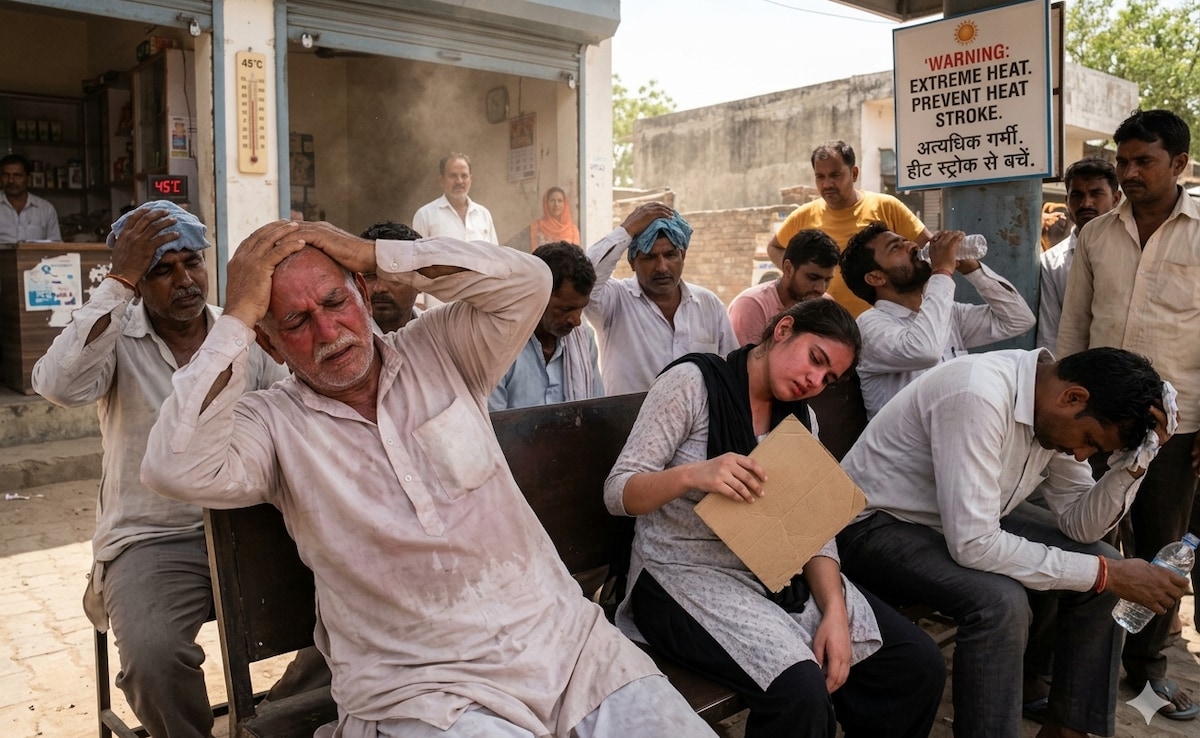
Heat fever and heat stroke could be causing you fatigue
Photo Credit: A.I generated image
Heat Stroke vs Heat Fever: Key Differences
Knowing the difference between heat stroke and heat fever is essential, as one of them is a medical emergency and needs immediate treatment to prevent real damage to the body's organs. Here is what you need to know:
- Heat stroke is a medical emergency, as the body temperature becomes visibly high, and it can lead to cognitive confusion and fainting.
- While heat fever is milder and linked to prolonged exposure and dehydration.
- While both health conditions are caused by excessive heat, the way they affect the body's system differs slightly.
Why Fatigue Happens In Heat Fever
The body needs to release and absorb heat to perform thermoregulation, and this normal function can be impacted when the tolerance level of the body goes out of control. And the data from the WMO is a clear indicator of the rising heatwave that is leading to a significant number of deaths with each passing year. This is a direct correlation between environmental and human health, and needs to be addressed at the systemic level to control the fallout.
- The main characteristic of heat fever is feeling overtly tired or fatigued, as dehydration and electrolyte imbalance in the body cause it to become drained.
- When the body is not getting enough hydration from liquids, hydrating foods, and proper temperature regulation, then the body is thrown into turmoil.
- The body faces thermoregulation challenges that make it develop a fever whose severity can depend on the exact environmental temperature that people are exposed to on a daily basis.
According to the research published in the Journal of Physiology, fatigue in heat fever is caused by the central nervous system being stressed, while fatigue caused by a heat stroke is caused by the body's acute sickness and the body's mechanism that regulates the release of proteins from cells.
Also Read: Heat Stroke vs Heat Exhaustion: Early Warning Signs You Should Never Ignore
Prevention And Management Strategies For Heat Fever And Heat Stroke
The body needs immediate medical care when it comes to both health conditions; these management strategies will differ based on whether you are looking to avoid getting them in the first place or if they have already happened to you.
- If you are someone who is vulnerable to getting heatstroke during the summer, it is best to restrict your outdoor activities to the mornings and evenings to avoid direct overhead sun exposure.
- Hydration strategies are crucial to avoid these health conditions; people need to keep a hydration plan in place that involves juices, hydrating liquids, and sharbats like aam panna, amla juice, and many more such drinks to better regulate the body's temperature.
- Cooling techniques like shade and fully covered clothing made of cotton are crucial if you are outdoors or plan to spend most of your time under the summer sun.
- The clothing should be light,are and make sure to practise proper hygiene practices to ensure your sweat is properly cleaned and to avoid developing serious skin infections.
- Nutrition maintenance that involves consuming enough seasonal fruits and hydrating liquids has health benefits.
- If you are feeling uneasy or visibly uncomfortable with the heat, then you need to seek medical help; don't wait for the heat stress to get worse.
- And if you have a fever, then immediately seek help from a medically trained professional to avoid dealing with the fallout.
Public Health Concern
The current number of deaths due to heat strokes is a wake-up call that the health condition is not minor and needs to be taken seriously. And the rise year by year is a signal that the extreme temperatures are causing significant human health impacts. While the India Meteorological Department has multiple prevention strategies and awareness initiatives, people need to use them to safeguard themselves and their families. And people need to understand the role of their individual choices and their cumulative effect on their environment, and how environmental health is important for their own well-being.
Heat fever and heat stroke have key differences, and both of them pose serious health issues if left unchecked. So, you need to stay hydrated, stay informed, and protect yourself this summer.
Disclaimer: This content, including advice, provides generic information only. It is in no way a substitute for a qualified medical opinion. Always consult a specialist or your doctor for more information. NDTV does not claim responsibility for this information.