

)
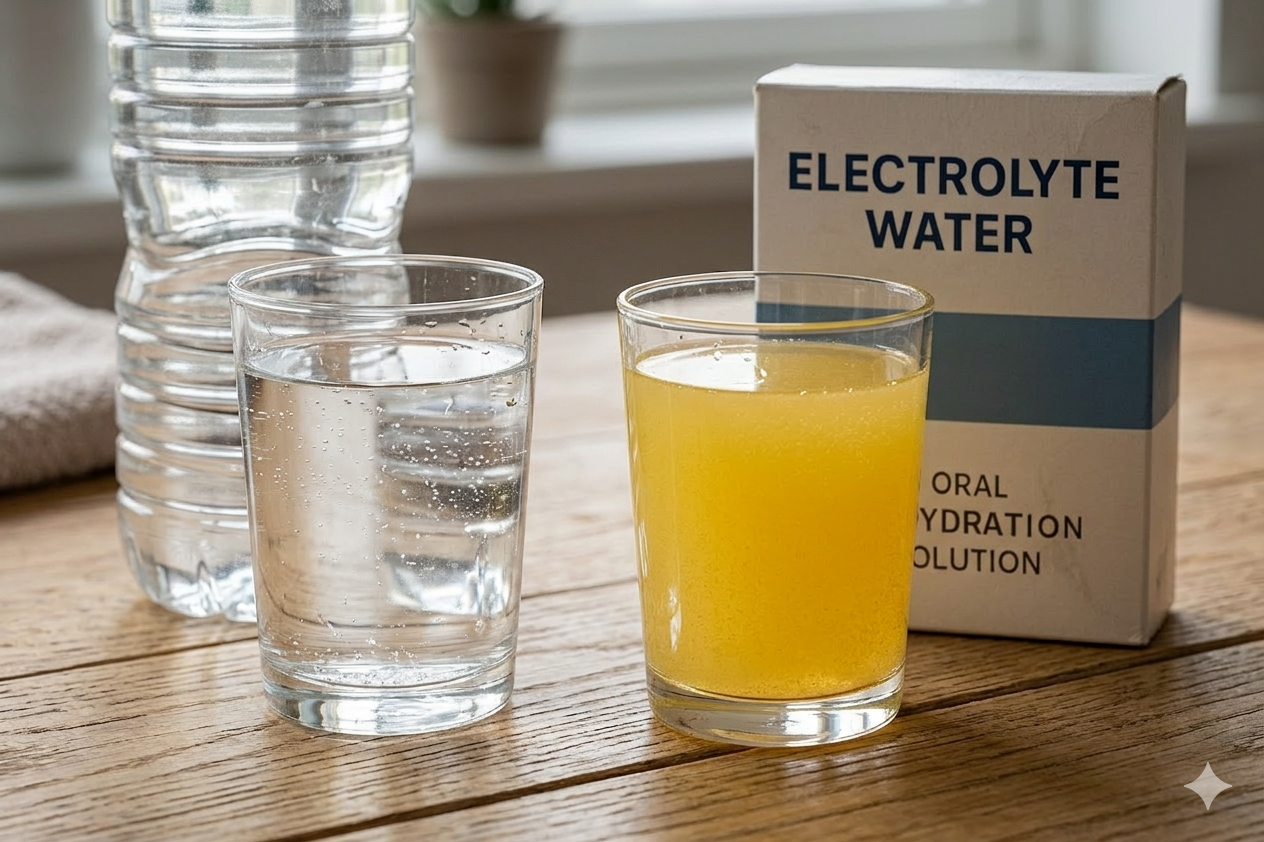
Staying hydrated is essential for maintaining energy levels, concentration, and overall health. During extreme heat, intense sweating, or prolonged physical exertion, the body loses not only water but also vital minerals known as electrolytes. It is important to understand when plain water is sufficient and when electrolyte intake becomes necessary. This can help prevent dehydration and heat-related health issues.
Electrolytes are minerals such as sodium, potassium, calcium, magnesium, and chloride. They carry an electric charge when dissolved in body fluids. These minerals help regulate fluid balance, maintain blood pressure, support nerve signalling, and enable proper muscle contractions, including the heartbeat. They also assist in maintaining the acid-base balance and metabolic processes in the body.
When the body is exposed to heat or physical strain, it sweats to regulate temperature. Sweat contains both water and electrolytes, particularly sodium. If only water is replaced, electrolyte levels may become diluted, leading to imbalances that can affect muscle and nerve function.
When Plain Water Is Enough
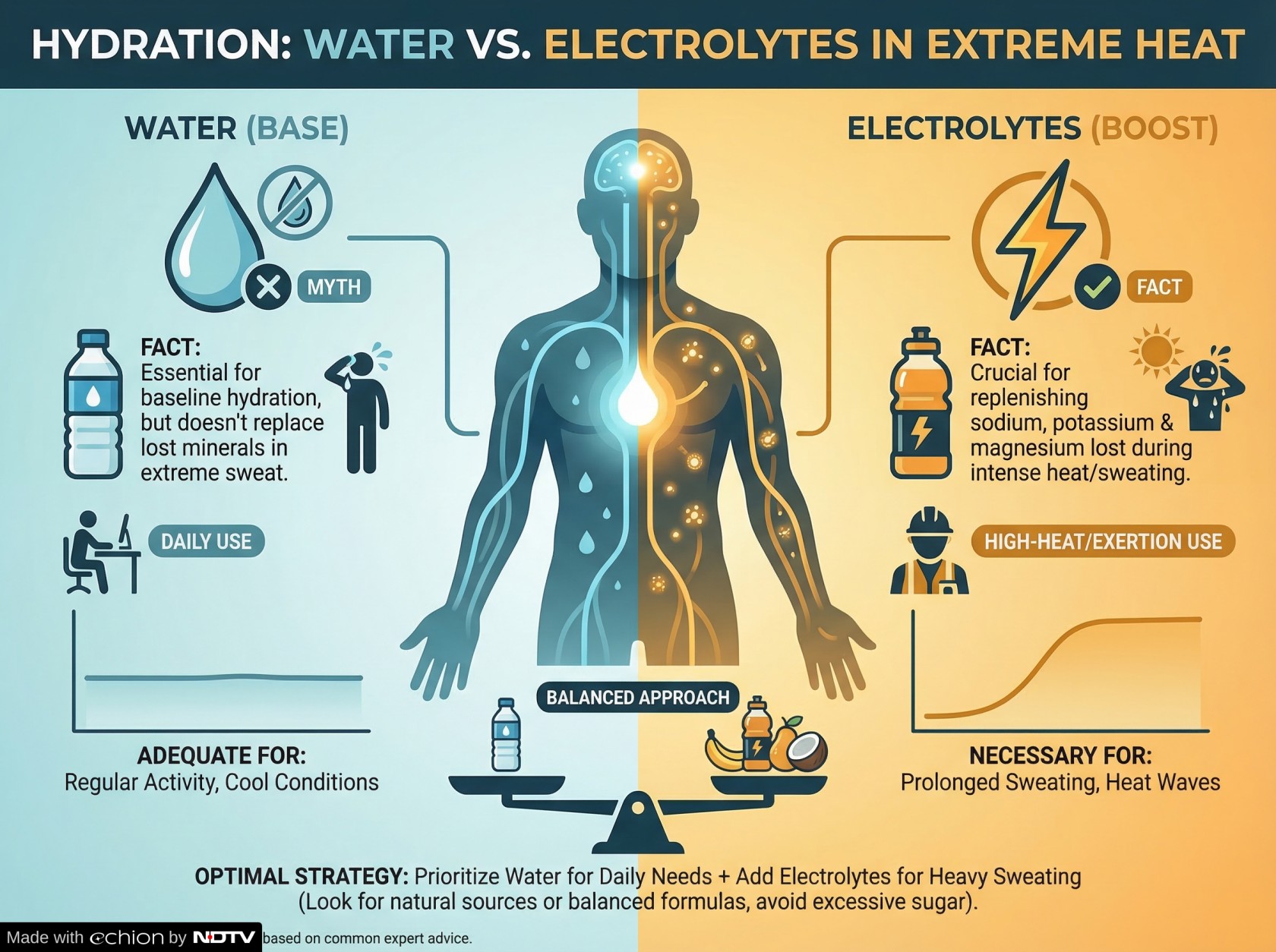
For most people performing routine physical activities in mild weather, plain water is entirely adequate. Everyday tasks do not typically lead to significant electrolyte loss. A balanced diet rich in fruits, vegetables, dairy, and whole foods naturally supplies essential minerals needed for normal body functions.
With a balanced diet, hydration needs are modest, and excessive dependence on electrolyte drinks is not required. Regular water intake, combined with nutritious meals, maintains adequate fluid and mineral balance.
When Electrolytes Become Important
Electrolyte supplementation becomes important during heavy or prolonged sweating. These include working outdoors in hot and humid conditions, exercising for more than an hour, performing physically demanding labour, or recovering from illnesses that cause vomiting or diarrhoea.
During extended heat exposure, drinking only water may dilute sodium levels in the blood and, in rare cases, contribute to hyponatraemia. Hyponatraemia is a potentially serious condition characterised by abnormally low sodium levels. Replenishing both fluids and electrolytes helps maintain hydration, supports physical performance, and reduces the risk of heat-related complications.
Warning Signs of Electrolyte Imbalance
Electrolyte disturbances may develop gradually and are often mistaken for general fatigue or dehydration. Early symptoms include muscle cramps, twitching, headache, dizziness, nausea, unusual tiredness, and difficulty concentrating. In more severe cases, a person with electrolyte deficiency may experience confusion, irregular heartbeat, or fainting.
If symptoms persist despite adequate water intake, electrolyte replacement may be required.
Hydration Strategies in Hot Weather
Staying hydrated in extreme heat is important. Drinking small amounts of water throughout the day is better than drinking a lot at once. One should start the day well hydrated and always carry water when going outdoors.
Electrolyte drinks may be useful during prolonged exertion, but they should be consumed with awareness. Many commercial beverages contain high amounts of sugar and caffeine, which can worsen dehydration. Sugar-free options or natural sources such as coconut water may be preferable.
Hydration can also be supported through foods with high water content, including fruits and vegetables. Monitoring urine colour is a practical way to assess hydration; pale yellow typically indicates adequate fluid intake.
Water vs Electrolytes: The Practical Balance
Electrolyte drinks are not replacements for water but serve as supportive hydration tools when the body is under stress from heat, illness, or strenuous activity. For most healthy people, water remains the primary and most effective hydration source.
In extreme conditions, a combination of water, electrolytes, and proper nutrition offers the safest and most balanced strategy. Individuals with chronic medical conditions or those taking medications affecting fluid balance should seek personalised medical advice.
Hydration needs vary depending on climate, activity level, and health status. Water is sufficient for routine needs, while electrolyte replacement becomes important during heavy sweating or illness. Recognising the difference ensures safer hydration practices, better physical performance, and protection against heat-related health risks.
(By Dr. K. Seshi Kiran, Senior Consultant General Physician, Yashoda Hospitals, Hyderabad)
Disclaimer: The opinions expressed within this article are the personal opinions of the author. NDTV is not responsible for the accuracy, completeness, suitability, or validity of any information on this article. All information is provided on an as-is basis. The information, facts or opinions appearing in the article do not reflect the views of NDTV and NDTV does not assume any responsibility or liability for the same.