

)
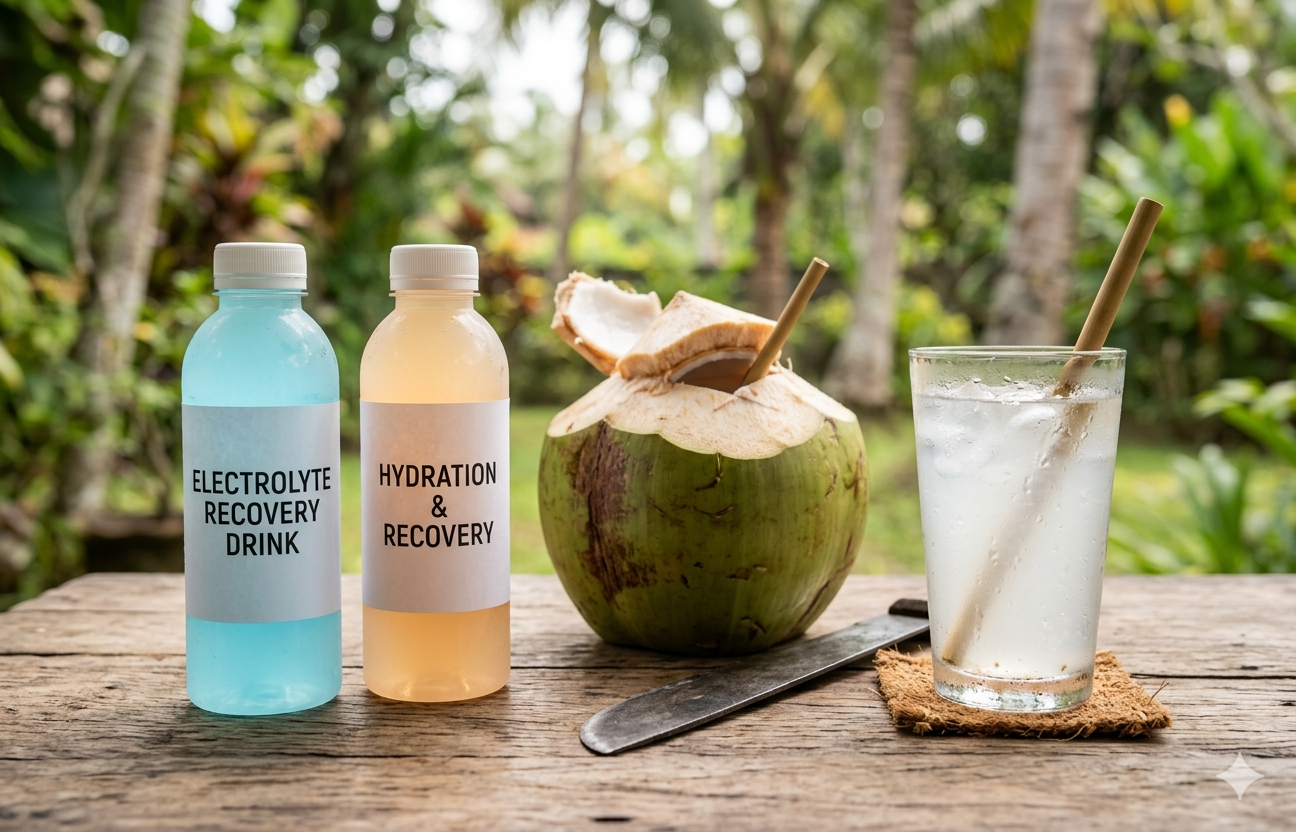
Extreme heat increases dehydration risk, which is a major health concern that can impact people the way they function. Research in the Nutrient journal details that people tend to ignore how drinking packaged electrolyte drinks and coconut water can provide their bodies with the required level of hydration. While both are commonly available, research points to the ability that people need to consider when electrolyte drinks and coconut water can be provided when consumed in the required dose and at the right timing.
The common debate can be confusing for many people, as popular packaging highlights that packaged electrolyte drinks have special ingredients that make them better at beating dehydration. But the science points to something else, as electrolyte drinks have a high dose of added vitamins and minerals that don't take into account your body's unique bioavailability and nutritional requirements. They simply claim to provide hydration, but how they impact your gut is something that differs on an individual basis. In addition, they also have other ingredients that may damage your gut and long-term health when consumed in excess.
On the other hand, coconut water is nature's energy drink. The research published in the Nutrients journal highlights that essential nutrients such as sugars, minerals, and vitamins, along with their diverse biological activities, including antioxidant, anti-inflammatory, anti-cancer, cardioprotective, and antimicrobial effects, make coconut water better than most drinks for hydration. To understand which drink is better for you, the mechanisms behind each of these drinks need to be analysed.
Why Hydration Needs Change During Extreme Heat
Firstly, understanding how your hydration needs change during extreme heat is affected by fluid and electrolyte loss that occurs on an individual basis. Extreme heat exposure is affected by fluid loss that occurs when an individual is directly or indirectly exposed to heat. The difference between indoor and outdoor heat needs to be taken into account when hydration needs are to be considered.
The symptoms of dehydration can be as follows:
- Dry mouth
- Fatigue
- Dizziness
- Dark yellow urine
- Increased thirst
These symptoms differ based on the age group they affect and are often ignored in the elderly and children. Hence, knowing if you are dehydrated is important.
Appropriate hydration needs to be balanced; plain water is not enough, as it can affect how your body needs water to function.
What Are Electrolyte Drinks?
Electrolyte drinks that are commonly available contain a mixture of sodium, potassium, glucose, and minerals. While these are needed when the body is dehydrated, if someone has existing health issues related to blood sugar or a sensitive stomach, it can impact the way they drink and are absorbed in the gut.
The excess caffeine amount in them can also cause issues with jitters, as not everybody needs the same amount of caffeine.
While medical oral rehydration solutions work best when the body is severely dehydrated and experiencing damaging symptoms.
Pros Of Electrolyte Drinks
- Rapid rehydration as they supplement the body with its required dose of vitamins and minerals.
- Useful for excessive sweating, diarrhoea, and heat illness, but people who have existing medical conditions need to be careful.
Cons And Cautions
- Added sugars can worsen energy crashes, and for those with blood sugar control issues, they need to exercise caution.
- Artificial flavours and colours expose the consumer to long-term health damage, especially in terms of cancer risk.
- Unsuitable for some people, especially those with diabetes and kidney disease, as the body is unable to retain water.
Also Read: 8 Reasons Why Coconut Water Is The Perfect Summer Drink
What Makes Coconut Water Popular In Summer
Coconut water, when consumed in moderate doses, is popular in summers, as it doesn't have the synthetic colours or imbalanced added vitamins or minerals that can cause issues with your gut.
It is naturally rich in potassium, which makes it better than most energy drinks even after a workout, as it reduces muscle spasms and helps with active muscle recovery.
The low-calorie and natural hydration when consistently consumed over a prolonged period makes it better for people who are attempting to establish a hydrating schedule that meets their hydration needs. The Foods journal highlights that coconut water is nature's sports drink that provides the body with electrolytes and minerals.
Benefits Of Coconut Water
- Gentle on digestion
- Refreshing and cooling
- Supports mild dehydration
Limitations Of Coconut Water
- Low sodium content
- Not sufficient for severe dehydration
- Potassium excess concerns
Note: Coconut water should be consumed in controlled doses, such as approximately 150 ml (a small cup) at a time, and if you are still thirsty, then you need to alternate with another drink. Drinking too much coconut water can cause side effects.
What Does An Expert Actually Recommend?
Dr Smriti Jhunjhunwala, BHMS, Certified Nutritionist and Dietitian, explains, "Dehydration doesn't simply mean loss of water. It also involves loss of electrolytes. Coconut water works well for daily hydration or mild heat-related fluid loss because it naturally provides potassium and magnesium, but it cannot replace oral rehydration solutions when electrolyte depletion is significant."
Note: Research and medical professionals caution against treating coconut water as a substitute for oral rehydration solutions or electrolyte solutions in severe heat stress, vomiting, or diarrhoea.
If you want to consume electrolyte drinks, as you don't have access to coconut water, then you need to read the label to be safe.
Who Should Choose What?
The choice depends on your daily heat exposure and whether it is indoor or outdoor heat. For instance, people need to take their daily routine into consideration. Such as:
- Outdoor workers need to supplement their electrolyte loss with coconut water.
- Athletes need a mixture based on their sports doctor's recommendation, as their daily requirement is far greater than that of ordinary people.
- Elderly individuals need to be cautious of any dehydration signs they may experience and need to make coconut water a part of their daily routine.
- Children need to be safely introduced to coconut water on a paediatrician's advice.
- People with diabetes or high blood pressure should consult their primary care physician.
Also Read: Jeera Water vs Saunf Water: Which Is Better At Controlling Blood Sugar?
Can You Overdo Either?
Yes, there is something like overhydration that can impact how the body reacts to heat. In order to safely do so, you need to consider and keep the following risks associated with it in mind:
According to the research published in the Nutrients journal:
Before heat exposure:
- 11-22 mL per kg body weight (2-4 hours before outdoor activity)
During heat exposure:
- 0.4-0.8 litres per hour
After heavy sweating:
- 125-150% of body weight lost
- (1.25-1.5 L for every 1 kg lost)
- There are risks of excess electrolyte consumption that can lead to kidney shutdown, so being careful is important.
- Risks of excess coconut water can cause potassium build-up, and can cause digestive discomfort and even severe issues with hyperkalaemia.
Practical Hydration Tips During Heatwaves
There are hydration tips that you need to follow during heatwaves to ensure your body gets what it needs at the right time:
- Spacing fluids throughout the day ensures distributed intake.
- Pairing liquids with food ensures better absorbability.
- Watching urine colour and thirst cues is essential to adjust your hydration needs.
When it comes to effective hydration, there is no one-size-fits-all solution. The choice depends on heat exposure, health status, and activity level. It is important to note that balance and moderation are key.
Disclaimer: This content, including advice, provides generic information only. It is in no way a substitute for a qualified medical opinion. Always consult a specialist or your own doctor for more information. NDTV does not claim responsibility for this information.