

)
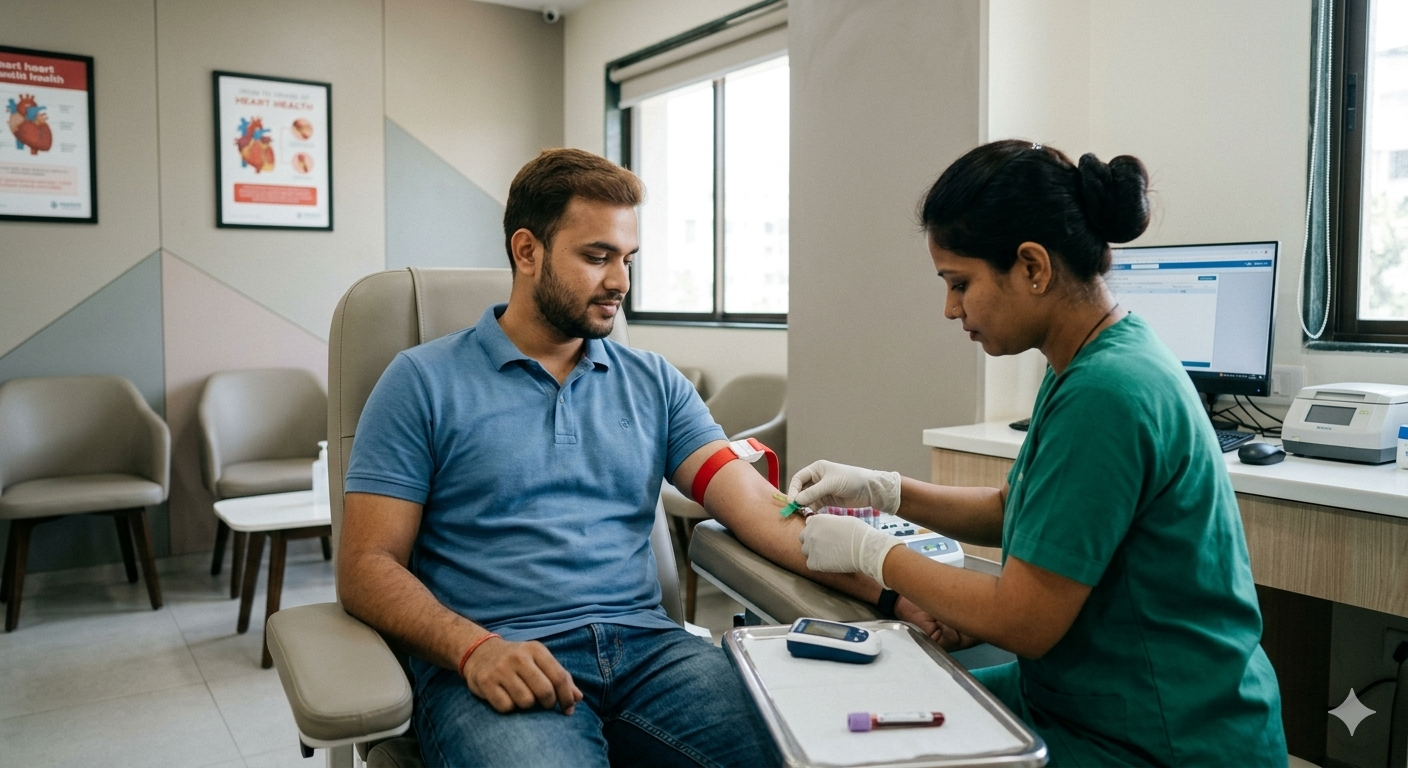
Diseases and chronic conditions are on the rise. Screening tests and preventive health check-ups are one of the simplest ways to detect health problems before they become serious. Many conditions such as high blood pressure, diabetes, high cholesterol, and certain cancers may not cause noticeable symptoms in their early stages. However, regular screenings can help identify these issues early, making treatment more effective and reducing the risk of long-term complications.
The screenings and tests you need often change with age. Your family history, lifestyle, gender, and existing medical conditions also play an important role in deciding which screenings are appropriate. Speaking to NDTV, Dr Neeraj Kumar, Senior Consultant, Internal Medicine, ShardaCare-Healthcity, said that preventive healthcare should be personalised instead of following a one-size-fits-all approach. Starting regular health check-ups in your 20s and continuing them through your 30s and 40s can help you stay aware of your health and make lifestyle changes before diseases develop.
Health Screenings To Prioritise In Your 20s
Your 20s are the right time to build a strong foundation for lifelong health. Even if you feel fit, routine check-ups can establish baseline health measurements that help doctors track changes over time.
An annual health check-up should include blood pressure, body weight, and body mass index (BMI). These basic measurements can identify early signs of obesity or hypertension. Blood tests such as a complete blood count (CBC), blood sugar levels, and a lipid profile can help detect anaemia, diabetes, or unhealthy cholesterol levels, especially if you have a family history of these conditions or are overweight.
Routine dental check-ups and eye examinations should also be part of your healthcare routine. Women should begin cervical cancer screening with Pap smear tests based on their gynaecologist's advice. Sexually active individuals may also need screening for sexually transmitted infections (STIs) when recommended by a doctor.
Mental health deserves equal attention during this time. "Mental health screening for anxiety, depression, and stress is equally important, as many mental health conditions first emerge during young adulthood," said Dr Kumar.
Health Tests To Consider In Your 30s
Many people experience increased work pressure, less physical activity, and slower metabolism in their 30s. These changes can increase the risk of lifestyle-related diseases, making regular health monitoring even more important. Dr Kumar said, "As metabolism slows and work-life stress increases, the risk of lifestyle-related disorders begins to rise."
Routine screening should include blood pressure checks, fasting blood glucose or HbA1c to monitor diabetes risk, and cholesterol testing. Doctors may also recommend kidney function tests and liver function tests as part of regular health assessments. Thyroid function tests may be advised if you have symptoms such as unexplained weight changes, fatigue, or other clinical signs of thyroid disorders.
People who smoke, are physically inactive, are overweight, or have a strong family history of diabetes, heart disease, or high blood pressure, may need more frequent health screenings.
Women should continue regular cervical cancer screening and undergo clinical breast examinations as advised. Men should discuss their cardiovascular risk with their doctor, particularly if they have multiple risk factors. Regular eye examinations, dental visits, and mental health assessments should continue throughout this decade.
Important Screenings In Your 40s
The risk of chronic illnesses increases significantly during your 40s. This is why regular health monitoring becomes even more important.
Annual health check-ups should continue to include blood pressure, blood sugar, cholesterol, kidney function, liver function, weight, and BMI assessments. Doctors may also recommend a cardiovascular risk assessment, including an electrocardiogram (ECG) or other heart tests, depending on your symptoms and overall risk profile.
Cancer screening also becomes a higher priority during this decade. Women should continue cervical cancer screening and discuss mammography with their doctor based on their age and individual risk factors. As menopause approaches, conversations about bone health may also become important.
Men may consider discussing prostate health screening with their doctor, especially if they have a family history of prostate cancer. Since screening has both benefits and limitations, it should be an informed decision made with medical guidance.
Colon cancer screening is generally recommended for people around the age of 45 who have average risk factors. Those with a family history or other risk factors may need to begin screening earlier.
Why Is Personalised Screening Important
Although age-based recommendations provide a useful guide, no single screening schedule suits everyone. Your genetic background, diet, exercise habits, smoking, alcohol intake, occupation, and existing medical conditions all influence which tests you need and how often they should be done.
Regular consultations with a primary care physician can help create a screening plan that matches your individual health risks. "Early detection not only improves treatment outcomes but also helps people maintain better health, productivity, and quality of life as they age," said Dr Kumar.
Disclaimer: This content including advice provides generic information only. It is in no way a substitute for a qualified medical opinion. Always consult a specialist or your own doctor for more information. NDTV does not claim responsibility for this information.