

)
Hypertension is often described as the "silent killer" because it can quietly harm the heart, brain, kidneys and blood vessels for years without any real warning signs. A lot of people only find out they have high blood pressure after a heart attack, or stroke, or heart failure, and sometimes kidney disease. And by then, the harm may already have started, even more than they realise.
One of the biggest misconceptions about high blood pressure is that it is a disease of older age. In reality, we are seeing hypertension way earlier than before, and more people in their 30s are being diagnosed due to a sedentary lifestyle, obesity, high salt intake, chronic stress, poor sleep and metabolic disorders. So the answer is simple: don't wait for symptoms before checking your blood pressure.
If you are 31 and generally fine otherwise, you should still be aware of your blood pressure. Even the international screening guidelines say that every adult 18 years and above ought to get their blood pressure checked regularly. If your numbers are normal and you don't have other risk factors, then checking it every three to five years might be fine.
However, if you have a family history of hypertension, diabetes, obesity, kidney problems, high cholesterol, or if you smoke, drink too much alcohol, live a seated life mostly, and if you've ever had readings that were borderline, make sure to get your blood pressure checked at least once a year. And for pregnant women, monitoring is needed during the entire pregnancy, since hypertension can show up even when there was no prior history.
The problem is that symptoms are not good indicators of blood pressure levels. Most people think that they would know whether their blood pressure levels are high, based on their symptoms such as headaches, dizzy spells or nose bleeds. Although some people may suffer from these symptoms, they are neither specific nor reliable. Most people with hypertension do not have any symptoms at all.
However, very high levels of blood pressure can be accompanied by symptoms like extremely painful headaches, blurring of the eyesight, pain in the chest area, shortness of breath, mental confusion, weakness in one part of the body and inability to speak or sudden problems with vision.
What Should Your Ideal Blood Pressure Be?
The majority of people consider that having blood pressure less than 120/80 mm Hg is ideal for adults. When it comes to elevated readings, when the first one ranges between 120-129 mm Hg, while the second one is less than 80 mm Hg, people are recommended to stop and pay attention as it may lead to hypertension in future. When readings are above 130/80 mm Hg, according to some international recommendations, it may be an indication of hypertension. In such a case, you shouldn't rush and make any conclusions - you should get a second opinion from your doctor about it.
Nonetheless, there is not one blood pressure goal that fits all. The appropriate values depend on various factors like age, current medical conditions, and overall risk of heart diseases. A patient with diabetes, kidney problems, or heart diseases can have his/her blood pressure controlled more strictly than a fit young person. In the case of weak and elderly patients, personalised goals should be set to prevent dizziness and falling. It is important to understand that blood pressure should not be evaluated separately, but along with other factors like medical history, kidney health, cholesterol, and lifestyle.
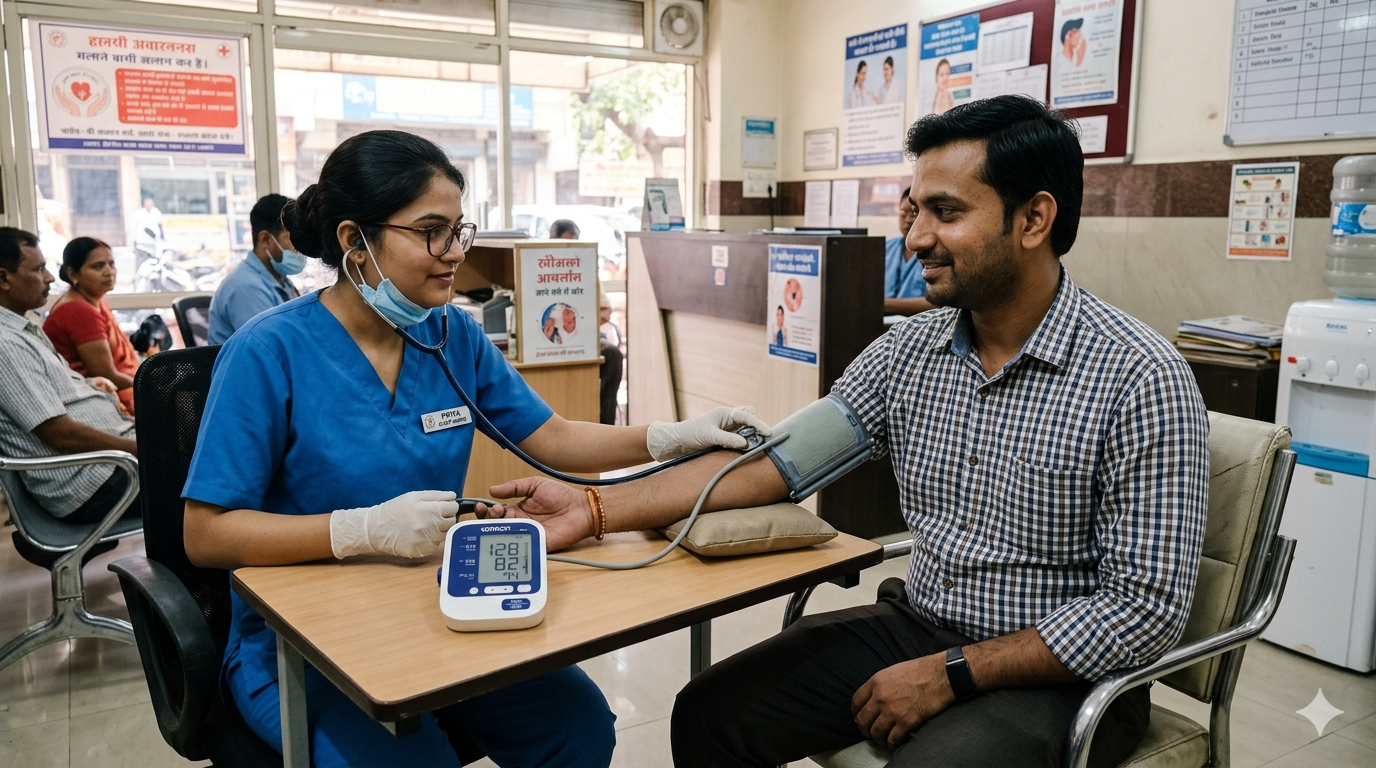
It is also important to measure blood pressure accurately. Caffeine, tobacco, strenuous activities and alcohol must be avoided at least half an hour prior to taking the reading. The person must empty his/her bladder, remain seated quietly in a comfortable position for five minutes, place his/her feet flat on the floor, rest his/her arm at the level of the heart and refrain from talking during the measurement. It is just as crucial to have the right-sized cuff because either a cuff that is too small or too large may lead to incorrect measurements.
Hypertension is a condition that can be easily prevented. Maintaining an ideal weight, engaging in exercises for 150 minutes each week, consuming low amounts of sodium in the diet, having a diet similar to the DASH diet which includes lots of fruits, vegetables, and whole grains, having enough sleep, avoiding tobacco use, limiting alcohol consumption, and managing stress effectively, can help in blood pressure management.
The key message is that blood pressure should not be checked because you feel unwell, it should be checked precisely because hypertension usually causes no symptoms. Knowing your numbers at 31 is not about expecting disease; it is about preventing it. A two-minute blood pressure measurement today can help avoid decades of preventable cardiovascular complications in the future.
(By Dr Basavaraj S Kumbar, Consultant - Internal Medicine at Aster Whitefield Hospitals)
Disclaimer: The opinions expressed within this article are the personal opinions of the author. NDTV is not responsible for the accuracy, completeness, suitability, or validity of any information on this article. All information is provided on an as-is basis. The information, facts or opinions appearing in the article do not reflect the views of NDTV and NDTV does not assume any responsibility or liability for the same.