

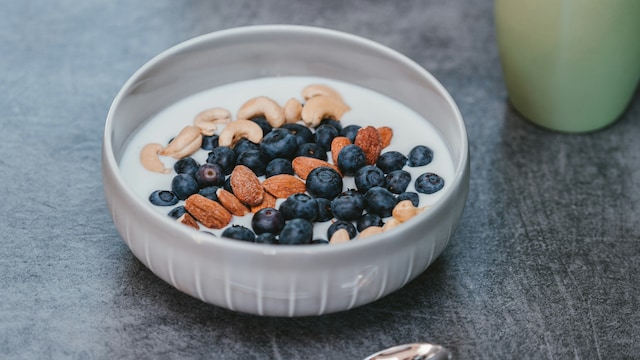
A vegetarian diet can be healthy, filling and rich in nutrients. But when it comes to protein, many people still struggle to get enough through everyday meals. It is easy to focus on carbs, vegetables and dairy while forgetting to add proper protein sources to the plate. This can matter even more for people who work out, want to build muscle or simply want to stay full for longer.
The good news is that vegetarians have plenty of protein-rich options. You just need to know what to add to your meals. From dairy and soy to dals and beans, simple everyday foods can help increase your protein intake without making your meals complicated.
Dr Saurabh Sethi, MD, MPH, a gastroenterologist trained at AIIMS, Harvard, and Stanford University, has dropped a post on Instagram sharing five vegetarian foods that deserve a place on your plate.
Here's a breakdown of his suggestions.
1. Greek Yoghurt
Greek yoghurt is an easy way to add protein to your diet. According to Dr Sethi, 100 grams of Greek yoghurt provides around 10 grams of protein. It also contains probiotics, which may support gut health.
2. Soy Chunks
If you are vegetarian and looking for a high-protein option, soy chunks can be a useful choice. Dr Sethi says 100 grams of dry soy chunks contain more than 50 grams of protein. They are also rich in leucine, an amino acid that plays a role in muscle repair and growth.
3. Paneer, Cottage Cheese And Tofu
These are familiar vegetarian favourites and can also add a decent amount of protein to your meals. Dr Sethi notes that 100 grams of paneer has around 18 grams of protein, while cottage cheese provides about 11 grams. Tofu has around 12 grams per 100 grams.
4. Lentils, Beans And Chickpeas
Dals, rajma, chana and other legumes may not be as protein-dense as soy chunks or paneer, but they bring another benefit: fibre. As Dr Sethi points out, fibre is important for gut health. Adding these foods regularly can help you get both protein and fibre in the same meal.
A simple, balanced vegetarian plate can go a long way, especially when you make sure it includes enough protein, fibre and other key nutrients.
Disclaimer: This content including advice provides generic information only. It is in no way a substitute for a qualified medical opinion. Always consult a specialist or your own doctor for more information. NDTV does not claim responsibility for this information.