

)
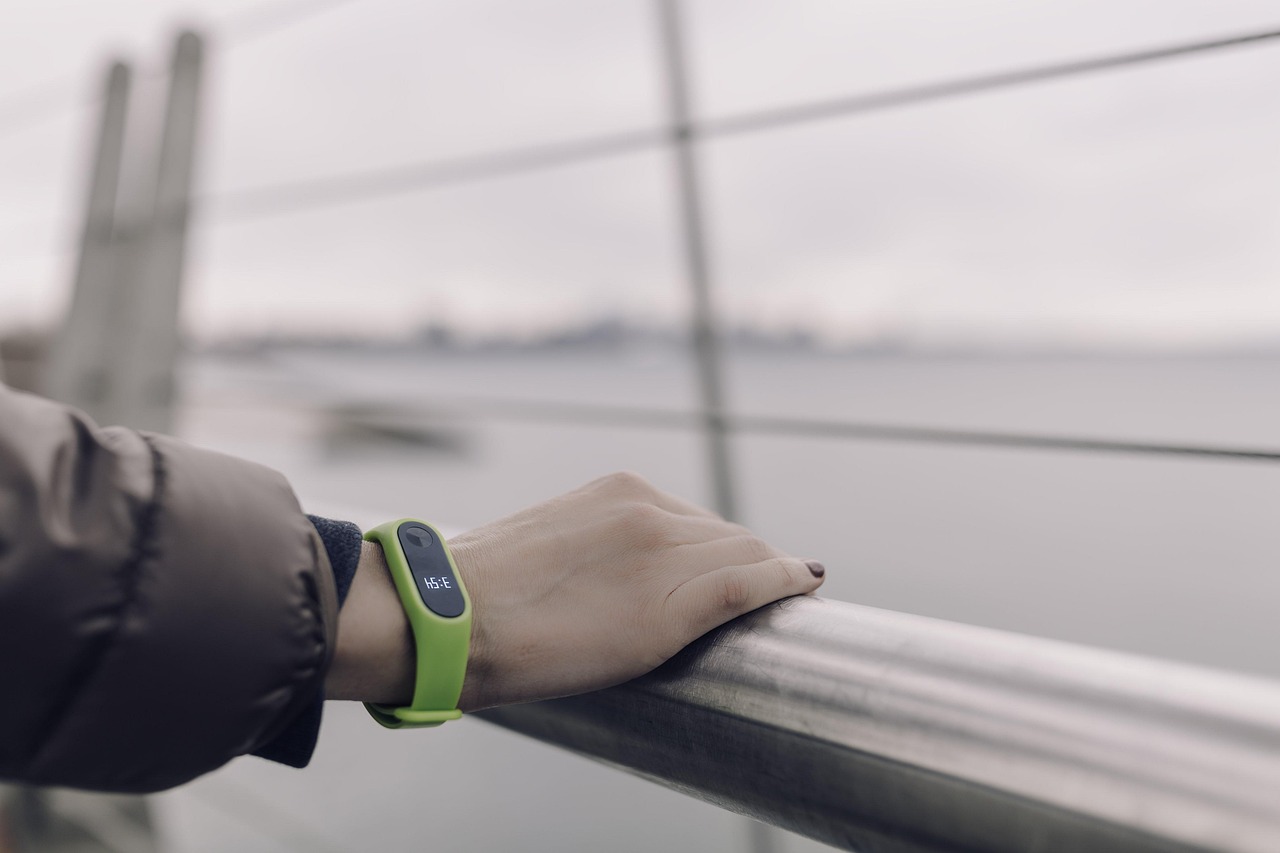
Google is officially set to rebrand the Fitbit app as Google Health, with the goal of consolidating multiple avenues of health into a single ecosystem. The unification of fitness, sleep, wellness, and health tracking systems will be rolled out in India by mid-May 2026. While the step aims to offer integrated and detailed holistic health solutions, the real question is whether your actual physical and mental health could benefit from the upgrade. According to Statista, globally, there are over 128 million users of Fitbits, with 38 million active users. So, the upgrade can benefit a large population if it delivers what it hopes to achieve.
But the need to make a stark distinction is necessary: Will the upgrade to Google Health be used by athletes or normal fitness enthusiasts hoping to optimise their health? Research exists for sports training, as the Journal of Sports Quality suggests that AI-integrated devices can enhance sports training, enhancing sporting performance as well as the prevention of injury. But there is no research on whether it can be effective for your morning jog or daily exercise routine if you are doing these for fitness rather than competitive sports.
What Is Google Health Coach, And How AI Coaching Works
Google Health Coach is set to replace the Fitbit app and offer Gemini-powered AI coaching. This move hopes to offer its user base the following aspects:
- Personalised workouts that take your body's ability to exercise into account.
- Sleep optimisation tips that can help you get deeper sleep.
- Lifestyle-based guidance to holistically improve your health.
But the real-time usage of Fitbit and its impact differ by age and daily physical activity levels. According to a study published in the JAMA journal, which recorded teenagers and their parents wearing wearable technology for fitness, surprising findings were reported. The step counts were found to be significantly higher for both the adult and teen on school and work days, along with less sleep.
But with extensive research already out in multiple reviews and journals like the National Sleep Foundation, screen time is associated with declining sleep quality. And when it comes to the current usage of technology on a daily basis, do you really want to stare at a screen before you go to bed and let it disrupt your sleep cycle on a daily basis?
The answer to this question is individualised, but when it comes to the long-term health impacts, the problem of screen dependence for basic human tasks needs to be kept in mind.
Does AI Health Coaching Actually Work? What Science Says
AI health coaching can work for certain individuals who have unique lifestyles and daily movement demands. As per a systematic review in Frontiers in Digital Health, AI health coaching improves engagement and lifestyle outcomes but only for those who process and understand the data on their screens such as trained sportspeople. When it is compared to human coaching for motivation and adherence, the outcomes can vary.
When wearables and AI reviews are used together, research published in the Journal of Cloud Computing suggests that there can be better real-time feedback with some caveats. An improvement in physical activity and lifestyle if the measures are properly comprehended by the brain.
Wearables and AI health coaching should not be used by teenagers and children, as their minds are unable to process what is on their screens.
Also Read: WHO Raises Safety Concerns As Artificial Intelligence Gains Ground In European Health Services
What Indian Users Will Get: Cost, Access, Limitations
Google Health Premium will cost users 99INR/month or 999INR/year in India and will initially be available only on Fitbit and Pixel devices.
However, the collection and use of personal data raises significant privacy and over-reliance concerns.
Medical professionals and clinicians can offer real-time, human intervention to improve lifestyle and sleep, unlike AI solutions that may use your data for other purposes.
AI Coaches Are Not Doctors
Peer-reviewed studies, such as those in Frontiers in Digital Health and Journal of Cloud Computing, highlight that using AI coaching is not a replacement for diagnosis or treatment of medical conditions. They can help manage chronic diseases more effectively, but using them in the right manner can change outcomes.
Especially the elderly and those who are looking to better their health in the long term could benefit from its usage, but understanding it matters.
It is best for preventive care, but not a replacement for diagnosis or treatment when a medical condition or issue arises.
Also Read: AI Finds Hidden Skin Cancer Risk, Flags 1-In-3 Danger Rate: Study
What This Means For Digital Health In India
This move could shift preventive and AI-assisted self-care practices and scalable digital health models. But how they can practically be implemented in real-life settings of users is necessary.
It could influence future public-private digital health programmes as well. Their outcomes can greatly benefit on a public health level, but when the approach is individual, the research needs to be performed.
This move has the potential to improve public health at scale, but significant concerns about personal data use and individual suitability remain.
Disclaimer: This content, including advice, provides generic information only. It is in no way a substitute for a qualified medical opinion. Always consult a specialist or your own doctor for more information. NDTV does not claim responsibility for this information.