

)
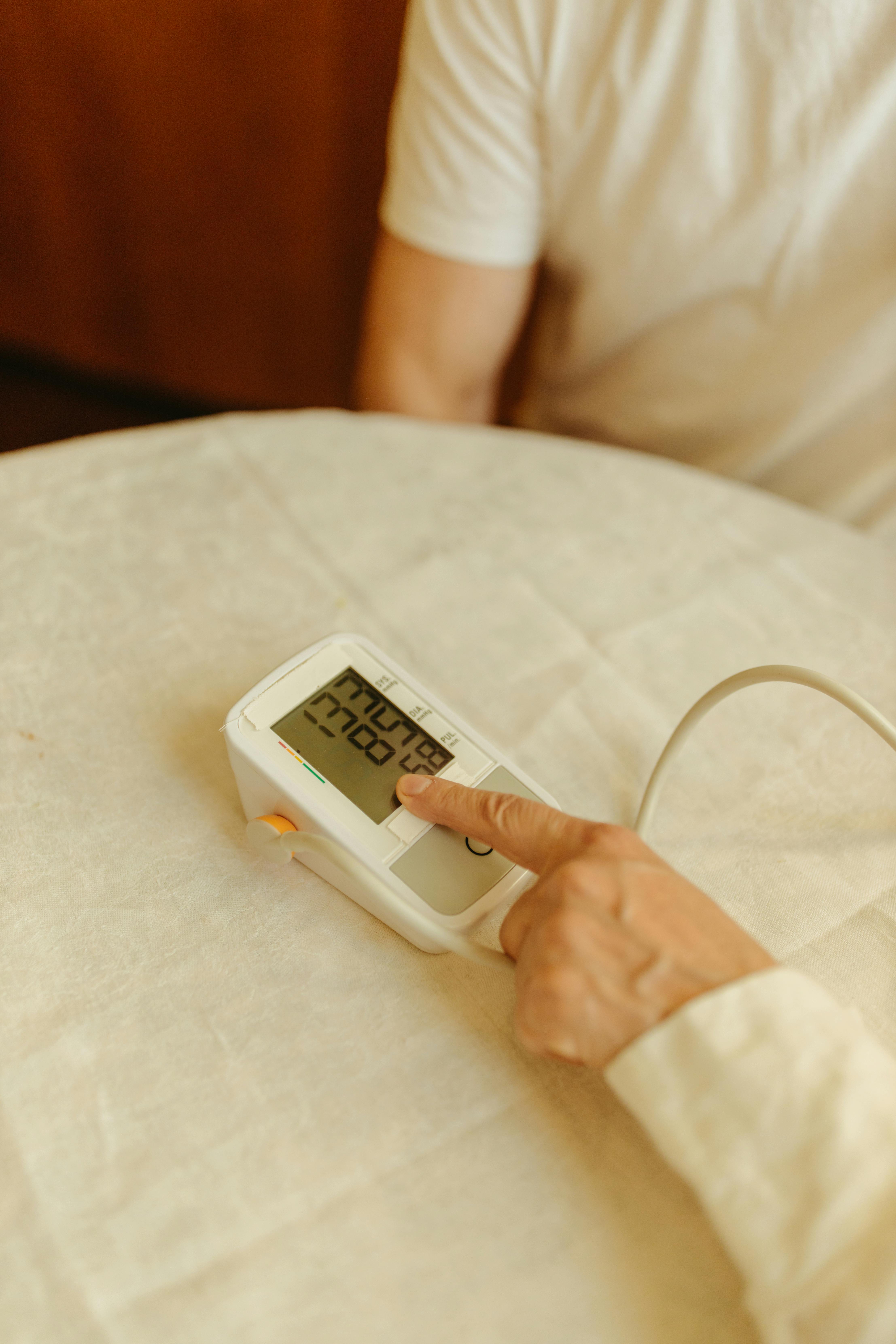
Whenever the term High blood pressure comes in our mind, we always try to link it with certain lifestyle factors like diet, stress and lack of exercise. But now, scientists have uncovered something far more unexpected than a specific region in the brain that may directly drive hypertension. In a new study, researchers found that a small area in the brainstem, typically responsible for controlling breathing, may also play a key role in raising blood pressure. The discovery could open the door to entirely new ways of treating hypertension, one of the world's leading causes of heart disease and stroke.
A Surprising Link Between Breathing and Blood Pressure
The study identified region in the brainstem known as the lateral parafacial region, which is normally involved in controlling breathing, particularly during forceful exhalations such as coughing, laughing, or exercising. But researchers discovered something unexpected. This same region also appears to activate nerves that tighten blood vessels, which in turn raises blood pressure. In simple terms, certain breathing patterns, especially those involving strong abdominal effort may be doing more than just helping you breathe. They could also be silently influencing your blood pressure.
Also read: Is High Blood Pressure The New Normal? Here's Why You Shouldn't Ignore Your Numbers
What Happens in People With High Blood Pressure
The research found that in individuals with hypertension, this brain region becomes overactive. When scientists experimentally switched off this area, blood pressure levels dropped back to normal. This suggests that the lateral parafacial region may act as a kind of "hidden switch" for high blood pressure, particularly in cases where traditional causes like diet or genetics do not fully explain the condition. It also highlights a new way of thinking about hypertension not just as a cardiovascular issue, but as something that may be driven by the brain itself.
The Role of Breathing Patterns
One of the most intriguing aspects of the study is the role of breathing mechanics. Normal breathing does not require strong muscle effort. However, forceful breathing such as during heavy exercise or persistent coughing involves powerful contractions of the abdominal muscles. The researchers suggest that frequent activation of this type of breathing could stimulate the brain region linked to blood pressure, potentially contributing to chronic hypertension over time.
This could be particularly relevant for people with conditions like sleep apnoea, where breathing patterns are repeatedly disrupted during sleep.
A New Target for Treatment
Treating high blood pressure has traditionally focused on medications that relax blood vessels, reduce fluid retention or slow heart rate. However, targeting the brain directly is challenging, as drugs that act on the brain often affect multiple areas and can cause side effects. Instead, the researchers identified a promising alternative: the carotid bodies, small sensors in the neck that monitor oxygen levels in the blood. These structures send signals to the brainstem, including the lateral parafacial region. By targeting the carotid bodies with medication, scientists believe it may be possible to indirectly "switch off" the overactive brain signal without needing to act directly on the brain. This approach could offer a safer and more precise way to control blood pressure in the future.
Why This Discovery Matters
Hypertension affects millions of people worldwide and is a major risk factor for:
- Heart disease
- Stroke
- Kidney damage
Despite the availability of treatments, many people still struggle to control their blood pressure. This discovery offers a fresh perspective by showing that the brain may play a more central role than previously thought. It also helps explain why some people develop high blood pressure even when they follow a healthy lifestyle. By identifying a new biological pathway, the research could lead to more targeted therapies, particularly for patients who do not respond well to existing treatments.
Limitations and What's Next
While the findings are promising, researchers caution that more studies are needed before new treatments become widely available. Most of the work so far has been conducted in experimental settings, and scientists will need to confirm whether the same mechanisms apply broadly in humans. Future research will likely focus on:
- Developing drugs that safely target the carotid bodies
- Understanding how breathing patterns influence long-term blood pressure
- Identifying which patients are most likely to benefit from this approach
The study reveals that a small breathing-related region in the brain may be a key driver of high blood pressure, offering a completely new angle on a common condition. By linking breathing, brain activity and blood vessel function, the research opens up exciting possibilities for future treatments. For now, it serves as a reminder that the human body is deeply interconnected and that even something as simple as how we breathe may have a bigger impact on our health than we realise.
Disclaimer: This content including advice provides generic information only. It is in no way a substitute for a qualified medical opinion. Always consult a specialist or your own doctor for more information. NDTV does not claim responsibility for this information.