

)
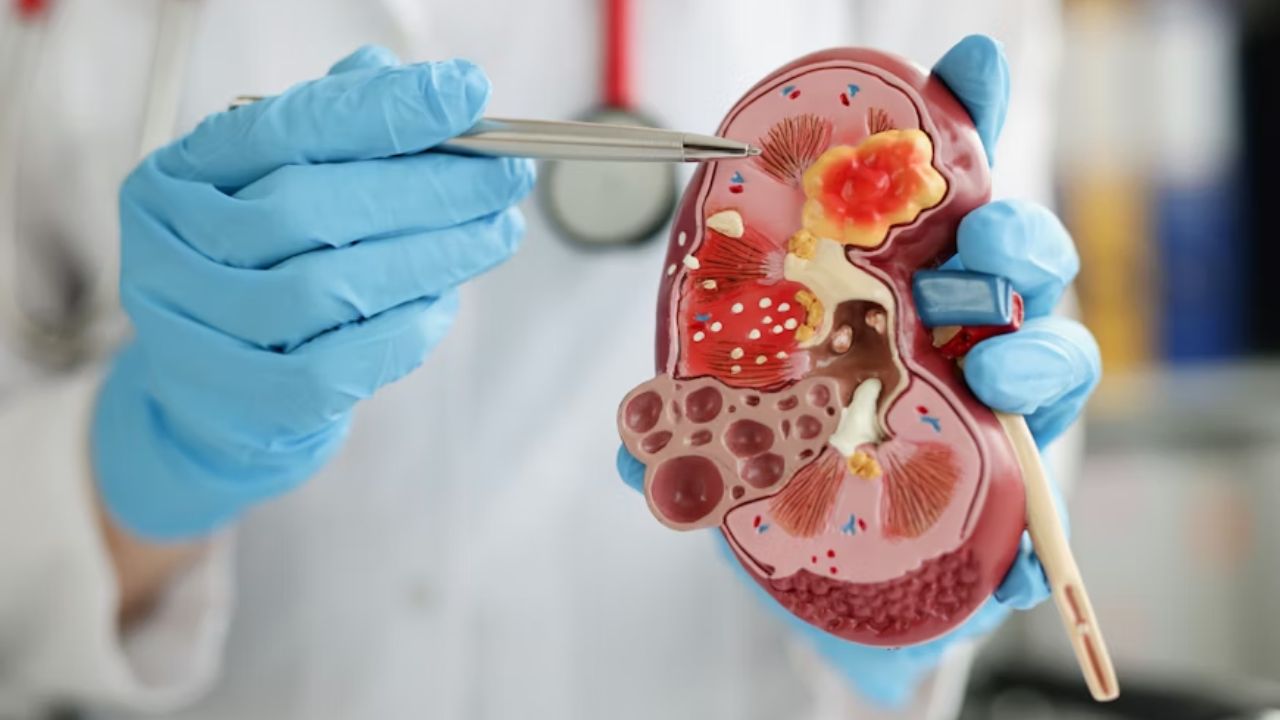
Kidney disease cases have been increasing across the world. India has reported nearly 115-138 million cases, ranking second globally after China. Kidney disease, also known as chronic kidney disease (CKD) is a condition wherein the kidneys are damaged and cannot effectively filter waste and fluid. In most cases, CKD doesn't have any symptoms and can only be diagnosed with blood and urine tests. If kidney disease is not diagnosed at an early stage, it can lead to kidney failure, requiring dialysis or kidney transplant.
Kidney disease, in most cases, is a result of high blood sugar and high blood pressure levels. While these two are the major contributors to kidney disease, experts say that there's one more risk factor which leads to kidney diseases. This is self- medication.
Speaking to NDTV, Dr. Sahil Bagai, Senior Consultant & Unit Head - Nephrology at Fortis Manesar, said, "India is a blend of different cultures and ethnicities but neglect of health is common amongst all of us. In India and other developing nations there seems to exist a never-ending complacency when we talk about self-health. Many of us have a very negligent and casual approach towards health and one aspect of it is self-medication." Read on as Dr. Bagai speaks on self-medication and the different drugs that affect kidney health.
Understanding Self-Medication
Self-Medication (SM) is a practice of consuming medications to treat self-diagnosed symptoms without a legitimate opinion by a healthcare professional. Self-medication is a double-edged sword wherein, a patient may get symptomatic relief but this puts him at a risk of drug-resistance, adverse effects, drug-interactions, including death. Dr. Bagai says that the prevalence of SM practice in India ranges between 8.3% to 92%.
Why Do People Choose Self-Medication
There are several reasons that explain why people choose self-medication. Dr. Bagai explains them as:
Noncompliance
The major reasons for such a high prevalence in our country are majorly because of noncompliance to existing regularity norms and corruption at grass root levels which make people vulnerable to some marketing gimmicks. Unchecked scientific fraudulent claims seem to be going unchecked and unfiltered in our country and most people end up falling prey to them.
Universal Health Insurance
Secondly, since there is no universal health insurance in our country, most people avoid visiting health practitioners and prefer self-medication for routine symptoms to avoid spending money which unfortunately is at expense of their own health.
Regulatory Checks
Thirdly, easy availability and absence of regulatory checks on over the counter drugs makes it very easy for people to self-medicate themselves. In most of the cases, either the next-door pharmacist or a close family member or a friend are the ones who help in self-medicating.
Most Common Drugs That Affect Kidney Health
Most common offending drugs often implicated are painkillers often referred to as Non-steroidal anti-inflammatory drugs [NSAIDS] and antibiotics. Most common conditions for which people self medicate are common cold, fever and pain, says Dr. Bagai.
Talking about commonly abused drugs like diclofenac sodium or ketorolac for pain can significantly decrease blood flow to kidneys leading to acute kidney injury which if persistent in nature will lead to chronic kidney disease. Another, common drug Azithromycin, is very commonly consumed citing helps in common cold by majority. In rare cases acute interstitial nephritis can happen with such drugs.
He also speaks about indigenous medicines. "Talking about indigenous medicines, most have limited information about constituents available which is dangerous considering the nature of things which are going to get filtered is not known but still has deep seated belief in our households."
People should be thoughtful before consuming any drug as self-medication can be disastrous. People should take a nutritional diet, drink plenty of fluids and seek legitimate medical advice before consuming any chemical.
Disclaimer: This content including advice provides generic information only. It is in no way a substitute for a qualified medical opinion. Always consult a specialist or your own doctor for more information. NDTV does not claim responsibility for this information.