

)
For a lot of people, coffee is their daily fuel. They can't start their day without a cup of coffee. While coffee is known to have several health benefits, a new study found that moderate consumption of caffeinated coffee or tea can reduce dementia risk and improve cognitive health. The new study was led by researchers from Mass General Brigham, Harvard T.H. Chan School of Public Health, and the Broad Institute of MIT and Harvard and published in JAMA. The team analysed data from the Nurses' Health Study and Health Professionals Follow-Up Study.
Daniel Wang, associate scientist with the Channing Division of Network Medicine in the Mass General Brigham Department of Medicine and assistant professor at Harvard Medical School and senior author of the study said, "When searching for possible dementia prevention tools, we thought something as prevalent as coffee may be a promising dietary intervention - and our unique access to high-quality data through studies that have been going on for more than 40 years allowed us to follow through on that idea.
"While our results are encouraging, it's important to remember that the effect size is small and there are lots of important ways to protect cognitive function as we age. Our study suggests that caffeinated coffee or tea consumption can be one piece of that puzzle."
Study Overview
The researchers analysed data from 131,821 participants tracked for up to 43 years, with a median follow-up of 36.8 years. Over this period, 11,033 participants developed dementia, identified through death records and physician diagnoses. The team examined caffeinated coffee, tea, and decaffeinated coffee intake via repeated dietary questionnaires, adjusting for confounders like age, smoking, exercise, and genetics. Secondary outcomes included subjective cognitive decline (via a 0-7 questionnaire score) and objective tests like the Telephone Interview for Cognitive Status (TICS).
Study Findings
Higher caffeinated coffee intake was linked to an 18% lower dementia risk. Drinkers also showed lower subjective cognitive decline prevalence (7.8% vs. 9.5%; prevalence ratio 0.85) and better cognition scores.
Tea showed similar results, while decaffeinated coffee did not. Optimal doses were 2-3 cups of coffee or 1-2 cups of tea daily; higher caffeine levels showed benefits without harm. Decaffeinated coffee showed no protection and was linked to higher subjective decline. The authors say that caffeine may be the active factor producing these neuroprotective results, though further research is needed to validate the responsible factors and mechanisms.
Yu Zhang, a student at Harvard Chan School and a research trainee at Mass General Brigham and lead author said, "We also compared people with different genetic predispositions to developing dementia and saw the same results - meaning coffee or caffeine is likely equally beneficial for people with high and low genetic risk of developing dementia."
What Does This Mean For Indians?
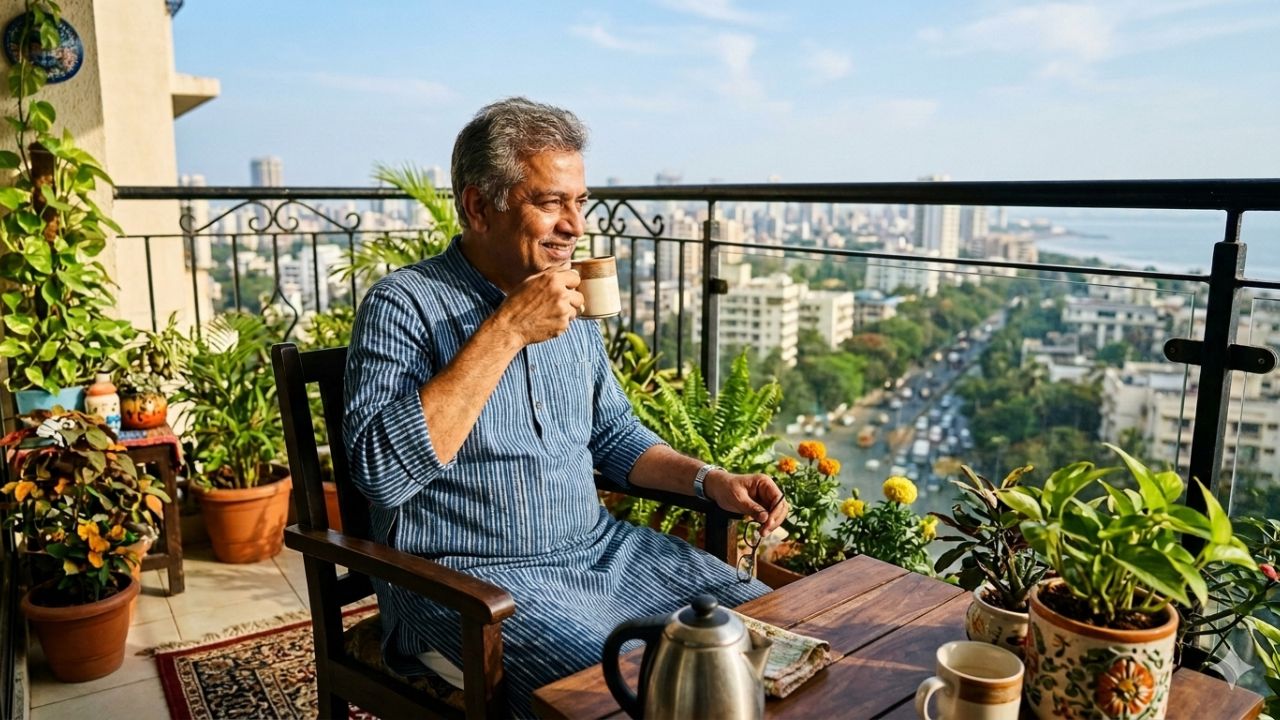
Majority of Indians depend on chai in the morning. It is not just a beverage but a daily ritual for them. The study mentions both caffeinated tea and coffee and how they can reduce the risk of dementia. Dementia cases are expected to quadruple by 2050 and this can impact families and healthcare systems in the country. Urban Indians, juggling high-stress jobs, pollution, and sedentary lifestyles, are particularly vulnerable.
Amidst all of these, coffee and tea are staples for them. With this study confirming caffeine to be beneficial, drinking coffee and tea in moderation can turn out to be beneficial.
Working professionals, homemakers, and ageing parents, can incorporate 2-3 cups into their diet, which can protect them from dementia. However, it is important that you take necessary steps as well. Pair it with exercise, sleep, and a diet rich in antioxidants such as turmeric, greens, and more.
Disclaimer: This content including advice provides generic information only. It is in no way a substitute for a qualified medical opinion. Always consult a specialist or your own doctor for more information. NDTV does not claim responsibility for this information.