

)
Ultra-processed foods may be doing more harm than we know. A new study has linked ultra-processed food to faster cognitive decline and a higher risk of dementia. It also found that even a modest rise in ultra-processed food intake was tied to a measurable drop in attention and focus. The study was conducted by researchers from Monash University, the University of Sao Paulo, and Deakin University and published in Alzheimer's & Dementia: Diagnosis, Assessment & Disease Monitoring. The study reveals how these foods could harm your brain more than we thought.
For the study, the researchers looked at over 2,100 middle-aged and older Australian adults who were free of dementia. It found that even small increases in ultra-processed food (UPF) intake led to noticeable drops in attention span, regardless of overall diet quality. Dr. Barbara Cardoso, Department of Nutrition, Dietetics and Food and the Victorian Heart Institute at Monash University and lead author of the study said, "To put our findings in perspective, a 10% increase in UPFs is roughly equivalent to adding a standard packet of chips to your daily diet. For every 10% increase in ultra-processed food a person consumed, we saw a distinct and measurable drop in a person's ability to focus. In clinical terms, this translated to consistently lower scores on standardised cognitive tests measuring visual attention and processing speed."
What Are Ultra-Processed Foods?
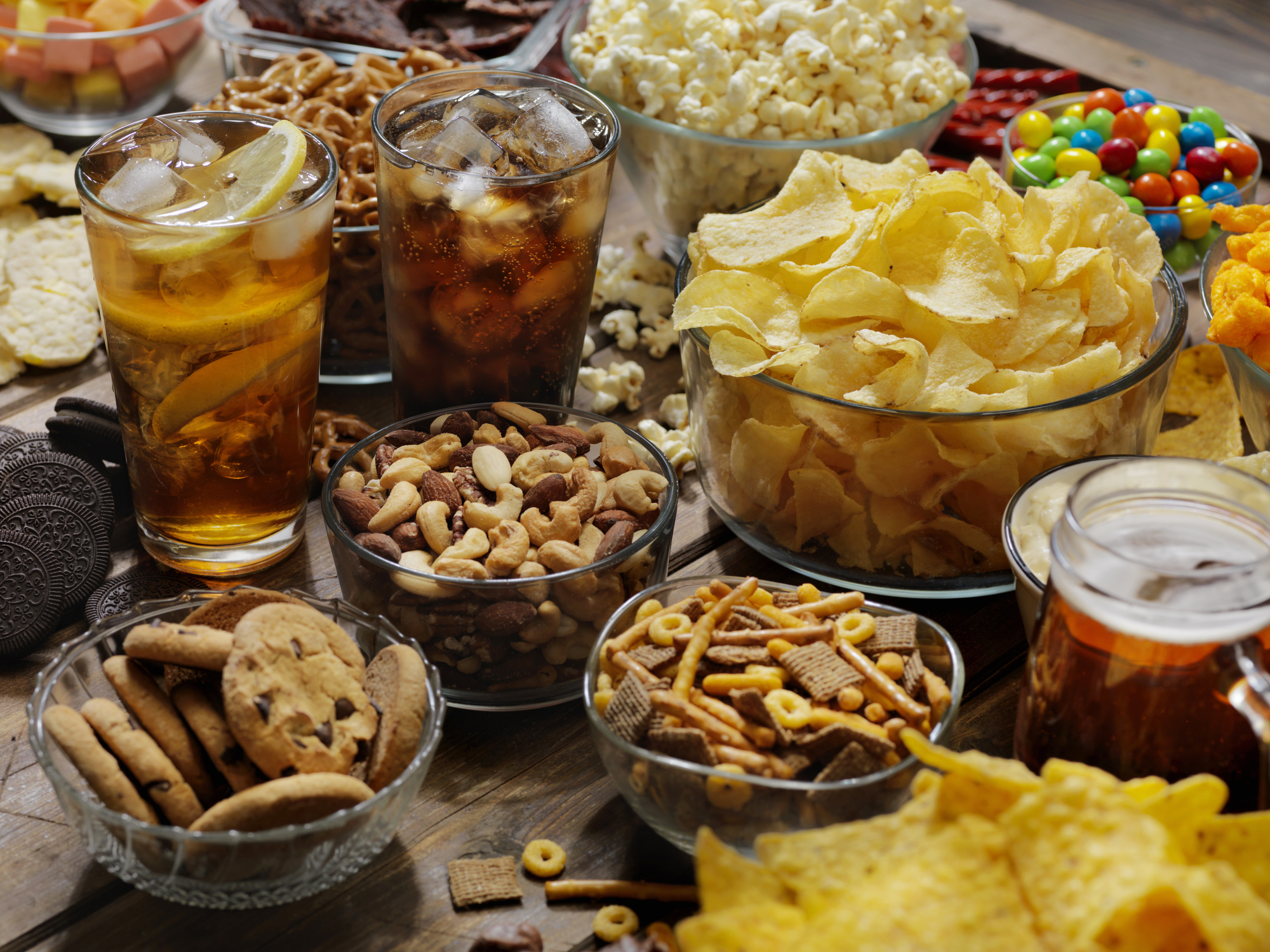
Ultra-processed foods are those that go through heavy industrial manufacturing that strips away natural nutrients and adds chemicals, sugars, fats, and salts. Examples include soft drinks, salty snacks, ice cream, sausages, deep-fried items, and most ready-to-eat meals.
These foods make up about 42% of the average Australian diet, matching the study's participants at 41%. Unlike whole foods like fruits or nuts, UPFs often contain artificial additives and lose their original structure, which may introduce harmful substances. "Food ultra-processing often destroys the natural structure of food and introduces potentially harmful substances like artificial additives or processing chemicals," said Dr. Cardoso.
"These additives suggest the link between diet and cognitive function extends beyond just missing out on foods known as healthy, pointing to mechanisms linked to the degree of food processing itself."
Study Findings
Researchers analysed diets and cognitive tests from 2,192 dementia-free adults. Higher UPF consumption was linked to worse attention performance, but not memory issues.
For every 10% increase in UPF calories, dementia risk scores rose by 0.24 points on the modified CAIDE scale, even after adjusting for factors like Mediterranean diet adherence and body weight. Attention deficits appeared as an early sign, since focus highlights learning and problem-solving, which are key areas that are hit first in cognitive decline. The link was persistent independently of overall diet health, highlighting UPFs' unique risks.
The study shows an association and it is not proof that ultra-processed foods directly cause dementia. However, the results are strong enough to support a simple message: eating fewer ultra-processed foods is likely better for brain health.
Why Do UPFs Harm the Brain?
Food ultra-processing likely triggers inflammation, disrupts gut health, and spikes blood sugar, all of which are linked to brain fog and decline. Additives and chemicals from processing may cross the blood-brain barrier or cause oxidative stress.
Even in healthy diets, UPFs' poor structure fails to nourish the brain adequately. This study builds on earlier work: A 2022 Brazilian study of 10,775 adults showed 20%+ UPF calories increased global cognitive decline by 28% and executive function by 25%. Dementia risk factors like obesity and hypertension, worsened by UPFs, increased the threat.
Easy Food Swaps
For a brain-friendly diet, try replacing one ultra-processed item at a time with a simpler option.
- Swap chips for roasted nuts or fruit.
- Swap soda for water, lemon water, or unsweetened tea.
- Swap packaged breakfast cereal for oats with nuts and fruit.
- Swap instant noodles for dal, vegetables, and rice or roti.
- Swap cookies and sweets for yogurt, fruit, or homemade snacks.
These small swaps add up because they reduce both additives and excess sugar, salt, and unhealthy fats. Over time, these changes can improve attention, memory, and brain health.
Disclaimer: This content including advice provides generic information only. It is in no way a substitute for a qualified medical opinion. Always consult a specialist or your own doctor for more information. NDTV does not claim responsibility for this information.