

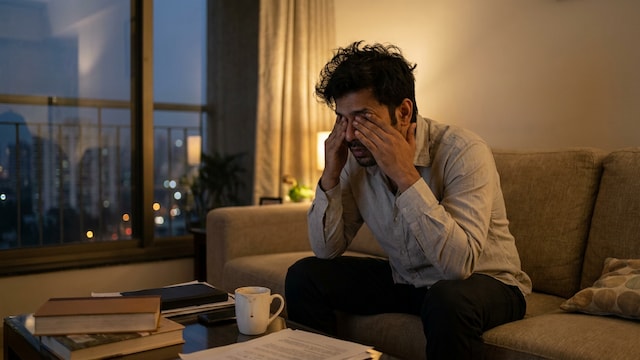
Anxiety disorders are now the world's most common mental disorders. According to the World Health Organization (WHO), it affected an estimated 470 million people globally in 2023. This number highlights the growing need to recognise mental health problems and seek timely support. Anxiety can affect people of all ages, with symptoms starting during childhood or adolescence. Women and girls are also more likely to experience anxiety disorders than men and boys.
Feeling anxious before an important meeting, examination or major life change is normal but anxiety disorder is more than that. It involves excessive fear or anxiety that is difficult to control, persists over time and interferes with everyday life, relationships, work or studies. People with anxiety disorders may also have physical symptoms such as a racing heartbeat, sweating and muscle tension.
WHO also states that only around one in four people with anxiety disorders receive treatment. Understanding the different types of anxiety and their warning signs can help people understand when they may need professional help.
Different Types Of Anxiety Disorders
- Generalised anxiety disorder (GAD): People experience persistent, excessive worry about everyday problems, including work, health, family or finances. They may struggle to control their worries even when there is little or no reason for concern.
- Panic disorder: This involves repeated panic attacks, which can cause sudden, intense fear along with symptoms such as a racing heart, breathlessness or dizziness. People may also feel afraid of having another attack.
- Social anxiety disorder: People experience intense fear of being judged, embarrassed or rejected in social settings. This may lead them to avoid conversations, public speaking or social gatherings.
- Agoraphobia: This involves fear of situations where escaping might be difficult or help might not be available during a panic attack. People may avoid crowded places, public transport or leaving home alone.
- Separation anxiety disorder: This involves excessive fear of being separated from someone with whom a person has a strong emotional bond. It can affect both children and adults.
- Specific phobias: These involve intense fear of particular objects or situations, such as heights, insects or flying. The fear may be disproportionate to the actual danger.
Warning Signs Of Anxiety You Should Watch Out For
Anxiety disorders can affect both mental and physical health. Some important warning signs include:
- Constant worrying: A person may repeatedly worry about everyday problems or imagine the worst possible outcomes. Even after a problem is resolved, the worry may continue.
- Difficulty concentrating: Racing thoughts and persistent worries can make it difficult to focus on tasks, remember information or make decisions.
- Restlessness and irritability: People may feel constantly on the edge, struggle to relax or become irritated over small things. They may also find it difficult to sit still.
- Physical symptoms: Anxiety can cause a racing heartbeat, sweating, trembling, muscle tension, nausea or stomach discomfort. Some people may also experience breathlessness or dizziness, particularly during panic attacks.
- Sleep problems: Persistent worrying can make it difficult to fall asleep or stay asleep. Poor sleep can then increase tiredness, irritability and anxiety.
- Avoiding people or situations: A person may start avoiding social gatherings, public places or activities that make them anxious. Over time, this can affect relationships and impact everyday activities.
- Persistent sense of danger: People may feel that something bad is about to happen even when there is no clear threat. This increased sense of fear can make it difficult to feel safe.
Tips To Help Relieve Anxiety
Self-care cannot replace professional help, however, certain habits can help manage anxiety symptoms. Here are some tips that can help relieve anxiety.
- Practise slow breathing: Take slow, comfortable breaths and focus on breathing out gently. Relaxation techniques can help reduce physical tension when anxiety rises.
- Stay physically active: Regular physical activity, including a short daily walk, can improve mental well-being and manage stress.
- Maintain a regular sleep routine: Try to sleep and wake up at consistent times. Good sleep can help in emotional regulation and concentration.
- Limit alcohol and avoid recreational drugs: These substances can worsen anxiety symptoms and impact recovery.
- Try mindfulness: Spending a few minutes focusing on the present moment may help reduce the tendency to get caught up.
- Seek professional help: Cognitive behavioural therapy (CBT) can help people spot unhelpful thought patterns and develop healthier ways of responding to anxiety. A healthcare professional may also recommend medication, depending on the individual's symptoms and needs.
Disclaimer: This content including advice provides generic information only. It is in no way a substitute for a qualified medical opinion. Always consult a specialist or your own doctor for more information. NDTV does not claim responsibility for this information.