

)
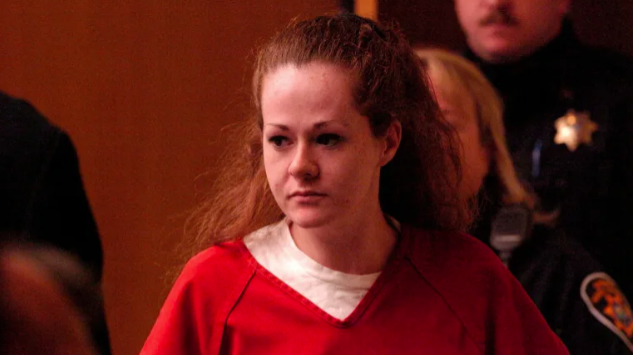
Christa Pike, a 50-year-old death row inmate in Tennessee, survived an attempted execution after receiving two doses of pentobarbital, the drug used under the state's lethal injection protocol. Her lawyers said she remained alive after both injections and could be heard breathing and snoring during the procedure. She was later taken to a hospital, where her attorneys said she was in critical condition and receiving medical care, reported by The Washington Post. The failed execution has prompted questions about what pentobarbital does to the human body, why the drug is used in lethal injection protocols, and what could happen when its intended effect does not occur. Tennessee Governor Bill Lee has ordered a comprehensive third-party review of the incident and halted executions in the state for the remainder of 2026. The Tennessee Department of Correction has said officials followed the state's established protocol, which does not provide additional procedures beyond those carried out, as reported by AP News agency.
What is pentobarbital?
Pentobarbital belongs to a group of medicines called barbiturates. These drugs depress activity in the central nervous system. Pentobarbital acts primarily on GABA-A receptors in the brain. GABA is an inhibitory neurotransmitter, meaning it helps reduce nerve activity. Pentobarbital enhances the effects of GABA, resulting in increasing depression of brain and nervous-system activity. At medically used doses, pentobarbital can cause sedation and sleep. In the context of lethal injection, much larger amounts are used under an execution protocol intended to produce profound central nervous system depression followed by death. Pentobarbital is also used for certain medical purposes, although its use in executions is separate from its clinical applications.
How does pentobarbital affect the body?
The drug primarily affects the brain and central nervous system. As central nervous system activity becomes increasingly depressed, a person can become profoundly unconscious. At sufficiently high exposure, the drug can severely impair the body's ability to maintain essential functions. Pentobarbital can also suppress breathing. Severe central nervous system depression can therefore progress to respiratory failure. The drug's effects are dependent on factors including dose and how it is administered.
Why is the heart important in this process?
The heart depends on coordinated electrical activity and adequate oxygen supply to continue beating normally. A lethal drug exposure can ultimately lead to cardiovascular collapse, but the exact sequence of physiological events can vary. It is therefore important not to assume that a person would immediately lose their heartbeat simply because pentobarbital has been administered.
In Pike's case, her lawyers reported that she continued to have a heartbeat after both doses. Witnesses also reported signs that she remained alive for an extended period during the attempted execution.
What happens if the expected effect does not occur?
The circumstances surrounding Pike's failed execution are still under investigation. According to reports, Tennessee's protocol included an initial dose followed by a backup dose, but it did not clearly specify what should happen if the person remained alive after the second dose. The state Department of Correction said its personnel followed the established protocol and that the protocol did not allow additional procedures beyond those carried out. That has become a central question in the aftermath of the incident. Governor Lee has ordered an independent review to examine what happened during the procedure.
Why can a lethal injection fail?
It would be premature to say exactly why Pike's execution failed before the investigation is complete. Lethal injection depends not only on the drug but also on its administration, including establishing reliable intravenous access and delivering the intended medication appropriately. Reports about Pike's procedure have raised questions about intravenous access and the execution protocol, but those issues remain subject to investigation. The state has not publicly provided a definitive explanation for why the two doses did not result in death.
What happens next?
The immediate focus is expected to be on Pike's medical condition and the investigation into the failed execution. Governor Lee has suspended executions in Tennessee through the end of 2026 and ordered a third-party review. The review is expected to examine the circumstances surrounding the failed procedure and the state's execution protocol.
The case has also renewed scrutiny of lethal injection procedures in the US, particularly questions surrounding drug administration, medical oversight and what protocols should require when an execution does not proceed as intended. Pentobarbital is a powerful barbiturate that suppresses activity in the central nervous system by enhancing the effects of GABA. At very high exposure, it can cause profound unconsciousness and suppress vital functions. In Christa Pike's case, however, two administered doses did not result in death, according to her lawyers and witnesses, and the reason remains under investigation. Tennessee has since paused executions for the remainder of 2026 while an independent review examines what went wrong.
Disclaimer: This content including advice provides generic information only. It is in no way a substitute for a qualified medical opinion. Always consult a specialist or your own doctor for more information. NDTV does not claim responsibility for this information.