

)
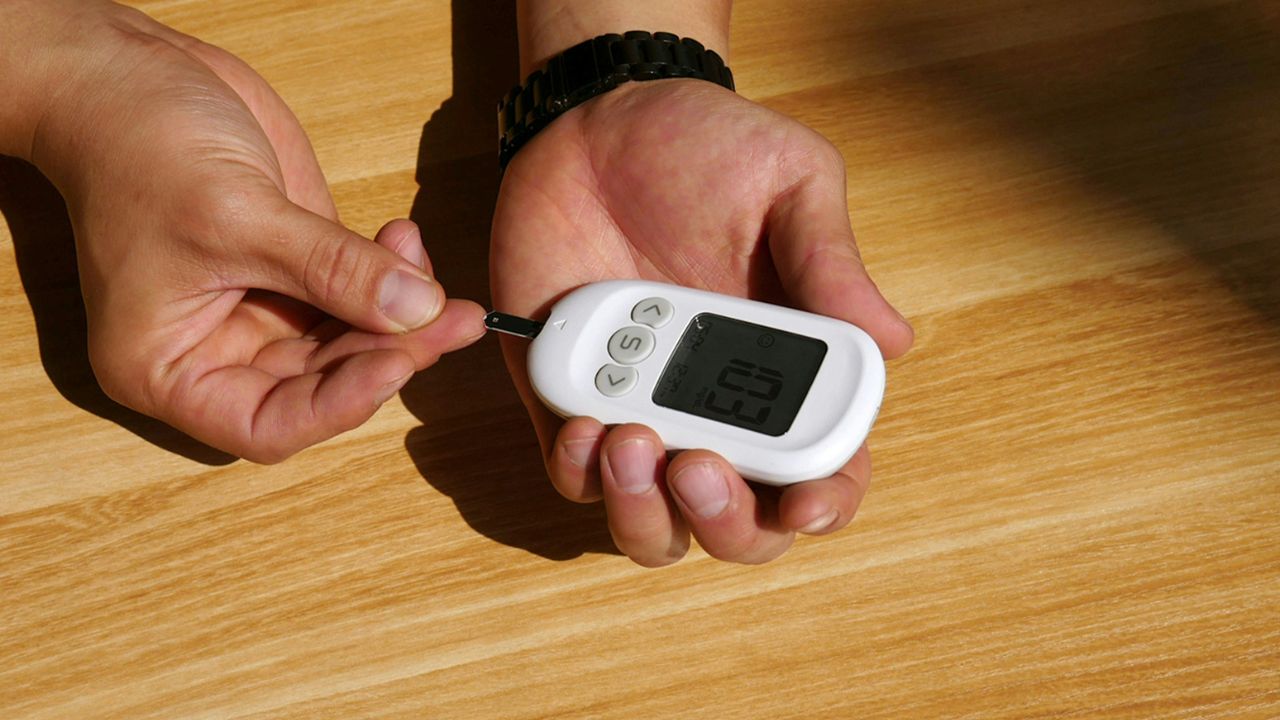
Blood glucose regulation is the foundation of how you feel on a day-to-day basis. The food that you eat, the order of eating it, and how your body metabolises it can all affect how you feel. This has been indicated in the research published in the Journal of Diabetes Science and Technology, which mentions the same. There is extensive research on blood glucose levels out there, which can be confusing to comprehend all at once. This is why a consolidated version that formulates all practical findings in ways you can use them on a daily basis is required. You doesn't want to feel better on a day-to-day basis, and if science-backed glucose hacks could reset your metabolism, then it would change the way your body and mind function.
Glucose hacks are everyday habits that could stabilise your blood sugar levels by regulating blood sugar spikes. Implementing these hacks is necessary, as they are directly linked to better overall metabolism, steady energy levels, and weight control. Research published in the Journal of Endocrinology and Metabolism Research suggests so, which means if you are able to tackle your blood sugar, then you can improve a lot of aspects related to it.
Controlling glucose matters, especially for those who are diagnosed with medical conditions such as diabetes or hypertension. But it is also vital for those who are otherwise healthy but seeking science-backed tips to improve their performance. Blood sugar, when it spikes, can cause an insulin surge, which leads to fat storage, energy crashes, and hunger cravings.
10 Glucose Hacks To Reset Your Metabolism
1. Eat Vegetables First
Research mentioned in the Nutrients journal highlights that consuming your vegetables first can slow the way glucose is absorbed by your body. The main factor behind this is the fibre, both soluble and insoluble, that is present in vegetables. It is best to eat a wide variety and seasonally to make sure that the nutritional intake is enough.
2. Pair Carbs With Protein
The Journal of Nutrition explains why you need to pair your carbohydrates with protein sources to make sure that your blood glucose spike is slower. Additionally, the journal also highlights that people with fast eating habits have been reported to have an increased risk of diabetes and obesity. For instance, if you are someone who consumes fast food at a fast pace because you don't have time for lunch, then you need to re-evaluate your choices.
3. Walk After Meals
The Scientific Reports review has studied in great depth that taking a 10-minute walk after lunch can improve the way the glucose spike from food is utilised by the body. The human body needs a bare minimum of physical movement to make sure the blood sugar spikes are neutralised.
4. Avoid Sugary Drinks
Soft drinks or drinks that have too much added sugar can readily spike glucose levels and lead to a sudden crash in energy levels. The liquid sugar has a greater impact on blood glucose spikes than the actual sugar intake throughout the day. This has been mentioned in a Scientific Reports review.
5. Add Vinegar Before Meals
If you are planning to consume a large meal that can be particularly heavy on the stomach, then you need to make sure to prepare your stomach beforehand. Drinking a shot of vinegar before a rich and heavy meal may reduce the expected glucose spike and make you feel better after consuming the meal as well. The Food and Function journal highlights that adding vinegar before meals is beneficial for regulating your blood sugar spike.
Also Read: The 'Desi' Protein Shake: Why A Gastroenterologist Prefers Jau Sattu Over Processed Whey Protein
6. Eat Breakfast With Protein
The European Journal of Nutrition highlights that if you combine your breakfast with a high-protein source, then you are able to stabilise your blood sugar levels for the day. For instance, you can combine your typical plate of subzi and roti with two eggs, as they have ample amounts of protein in them.
7. Don't Eat Carbs Alone
You shouldn't consume your carbohydrates as is, but instead combine them with fats or protein sources. As mentioned in The Medical Science Forum, carbohydrates need the right accompaniments to make sure that they are absorbed in the gut in the right manner. And the impact on blood glucose is not that significant.
8. Manage Stress Levels
Stress is a major trigger for raising blood glucose levels, so actively managing it is key to regulating your blood sugar. The stress hormones like cortisol, adrenaline, and noradrenaline raise blood sugar levels, which can cause issues with how you are functioning. You need to practise the right morning and night routine to calm down your nervous system to make sure that your stress levels remain under control.
Also Read: A Gastroenterologist Explains Why Arbi Is Actually A 'Superfood' For Your Gut Microbiome
9. Get Enough Sleep
If you are someone who doesn't prioritise their sleep, then you need to rethink this habit. Research published in the Healthcare journal suggests that poor sleep can lead to insulin resistance, which can cause unnecessarily high blood sugar spikes.
10. Keep Meals Balanced
If your meals aren't balanced, which means they don't have a balance of enough carbohydrates, proteins, fresh fruits, and vegetables, then blood sugar issues may arise. You need to avoid large carb-heavy meals that only contain complex carbohydrates and not enough supportive nutrients.
Note: These glucose hacks should not be practised by those who have been diagnosed with diabetes and insulin resistance. You need to follow personalised medical advice.
Glucose hacks are simple lifestyle changes that can help reset metabolism and improve blood sugar control without drastic diets.
Disclaimer: This content, including advice, provides generic information only. It is in no way a substitute for a qualified medical opinion. Always consult a specialist or your own doctor for more information. NDTV does not claim responsibility for this information.