

)
The common habit of eating with your hands is commonly practised in India. But the science behind it shows promising results, especially when overall digestion and glucose response are concerned. The sensory practice of eating with your hands is crucial for the way the body processes food and breaks it down into energy. Another important factor that it can do is influence how glucose is secreted in the body. The mechanism behind it is mindful eating, as you need to have a connection to your food when you are eating, as it is the source of energy. Research backs this, as it is published in the International Journal of Gastronomy and Food Science, where eating with your hands is being adopted by those who have switched to cutlery use.
What Happens When You Eat With Your Hands?
The mechanism that gets triggered when you eat with your hands is that your brain makes a direct connection with the food you have to consume. This begins at the fingertips, as they have nerve endings that stimulate sensory satisfaction. There are several ways through which this happens:
- Touch activates sensory nerves, as it can trigger the way the brain perceives food.
- Signals sent to the brain even before chewing are initiated when you eat with your hands.
- Early activation of digestive hormones happens when you eat with your hands.
- A slower eating pace with your hands, when compared to cutlery, offers different health benefits.
How Sensory Feedback Affects Glucose Digestion
Research published in Europe PubMed Central details that glucose spikes can differ when you eat food with your hands, as sensory triggers happen. There are several ways that this happens; here is what you need to know:
- Better insulin anticipation as the brain knows through touch that the food is about to enter the oesophagus.
- Slower glucose absorption happens as the chewing is evenly spaced out during mindful eating practice.
- Improved satiety or fullness signalling happens, which reduces overeating, which can happen if you eat with cutlery.
- A lower stress response happens when the brain is connected to the food that will sustain it, especially during meals.
Mindful Eating, Stress And Blood Sugar Control
Research published in the Mindfulness journal highlights that mindful eating can even prevent serious chronic diseases such as diabetes.
Eating with hands brings awareness to the following aspects of food:
- Texture, as it can be felt by your hands when you consume meals.
- Temperature can be known with ease, and you can judge the temperature effectively as you eat with your hands.
- Portion size is crucial, as eating too much can cause an even higher blood sugar spike.
- Reduced distraction as your hands are occupied and focused on putting the food into your mouth, which offers better glycaemic control.
Note: While most people rush through their meals, you need to take control of your pace of eating if you want better health outcomes.
Also Read: Sourdough vs Normal Bread: Key Difference Between Microbial Ecosystems Explained

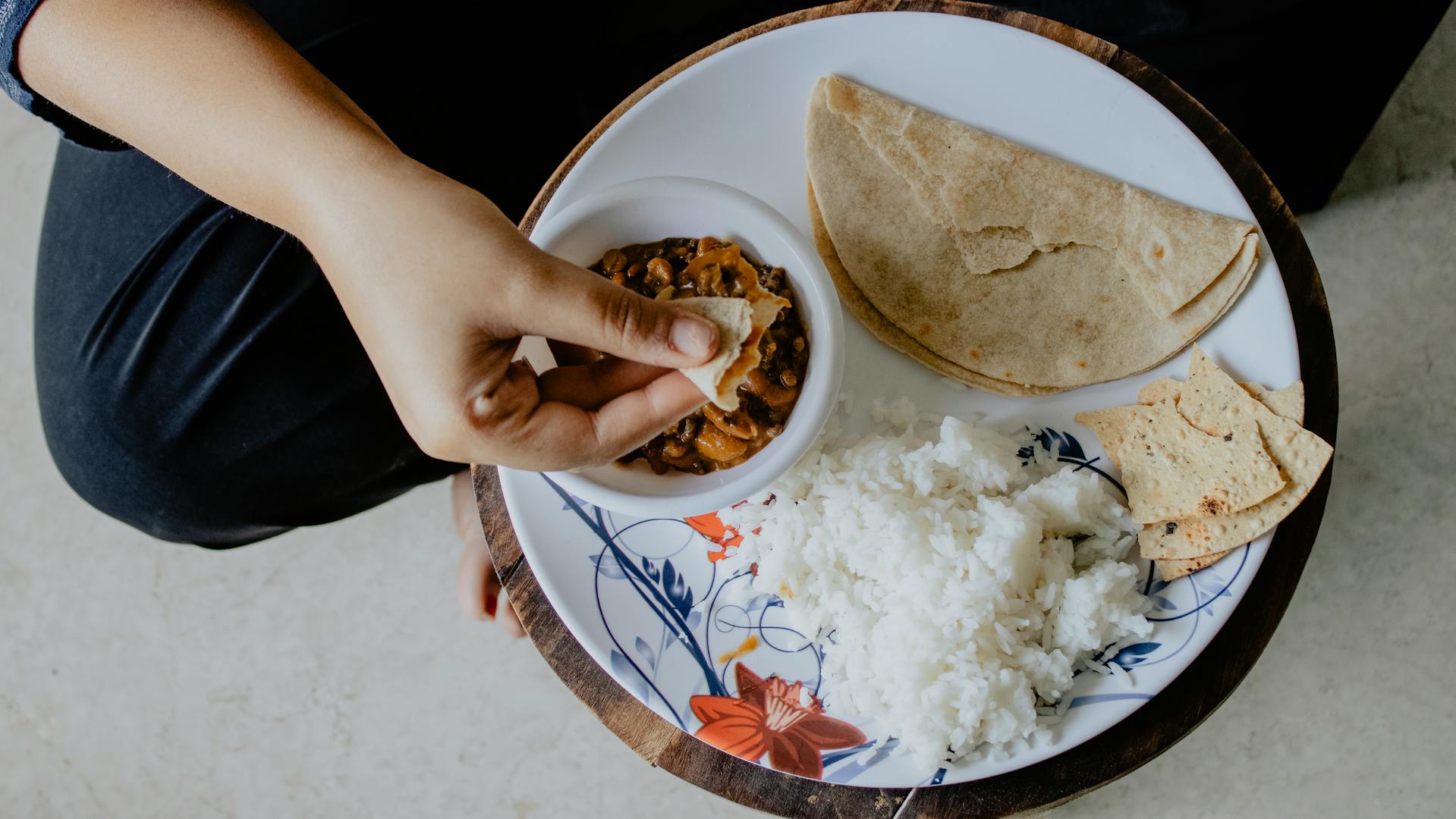
Eating with your hands can improve the way your body digests glucose
Photo Credit: Pexels
Traditional Indian Practices and Metabolic Health
The traditional Indian practice of eating with your hands and your metabolic health is intertwined. Modern research validates eating with your hands, and there are some additional ways that traditional Indian practices benefit you greatly.
Having traditional meals encourages people to:
- Sitting on the floor is a great way to stay connected to the ground while eating.
- Eating with hands stimulates a sensory response.
- Warm, freshly cooked foods served in limited portions and in a balanced manner.
These habits naturally slow glucose release as well as improve the quality of nutrition that your body needs to raise its energy levels.
Who May Benefit The Most?
There is a group of people who can benefit most from eating with their hands, as it can make digestion better and regulate their glucose secretion, as mentioned in the research published in the Journal of the Academy of Nutrition and Dietetics:
- Type 2 diabetes struggle with blood sugar regulation.
- Prediabetics can benefit from eating with their hands, as it can improve the brain and gut connection to their food.
- Insulin resistance can get better to a certain extent, but this is only a supportive habit.
- Office-goers with rushed meal habits should take time to eat food with their hands to give their digestive system a helping hand.
- Older adults with digestive issues can also benefit from eating with their hands, but it is a supportive measure.
Also Read: What Happens If You Take Protein Powder, But Don't Exercise? Pros And Cons Explained
When Eating With Hands May Not Help
Eating with your hands may not help when consuming certain foods, such as:
- Ultra-processed foods have no impact on your digestion.
- Large portions as the body needs to process the large quantity.
- Poor hygiene can occur, so you need to wash your hands thoroughly before eating with your hands.
- Eating too fast, despite eating by hand, is an unhealthy practice.
Eating with hands isn't about nostalgia, as science says it can improve digestion, glucose handling, and satiety or fullness. The habit matters as much as nutrition intake when it comes to improving your connection to food.
Disclaimer: This content, including advice, provides generic information only. It is in no way a substitute for a qualified medical opinion. Always consult a specialist or your own doctor for more information. NDTV does not claim responsibility for this information.