

)
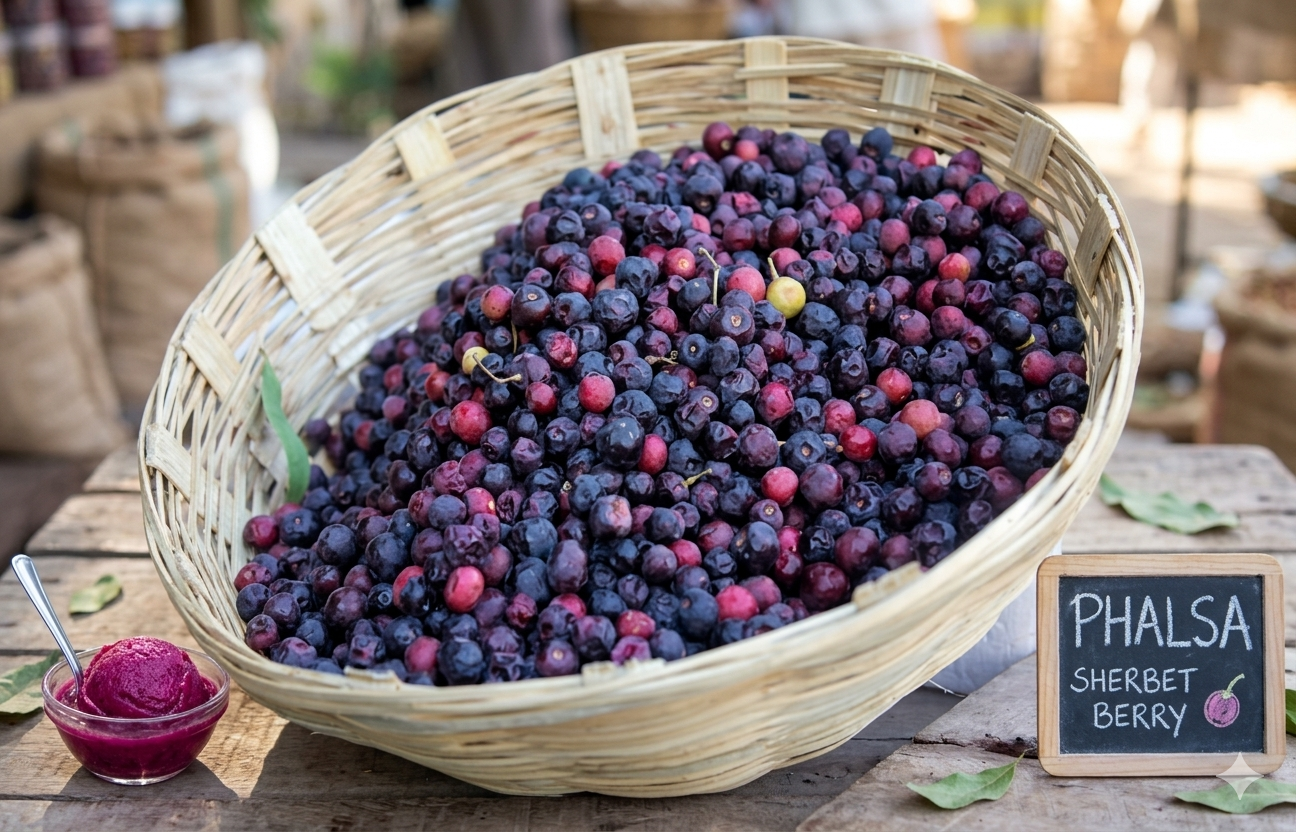
Phalsa berries, or sherbet berries, are traditional Indian summer berries that are available across various regions in India. The delicate tart berry has become the focus of 101 million adults who are living with diabetes across India. The rising figures, as documented in the International Diabetes Federation, pinpoint that sherbet berry stands out for its ability to control blood sugar. A review in Heliyon highlights that sherbet berry contains a high dose of vitamins (A and C), minerals (calcium, phosphorus, and iron), and fibre while being low in calories and fat. This unique composition makes it an ideal choice for diabetics who are already struggling with their blood sugar levels. While consuming sherbet berry can provide supplementary support to medications to manage diabetes, people who are prediabetic can definitely benefit from consuming a small quantity of it.
What Is Phalsa And Why Is It Popular In Indian Summers?
NDTV spoke to Ms Ruchika Jain, Chief Dietitian and Nutritionist, Fortis Hospital, Vasant Kunj, who said, "Phalsa berries, or sherbet berries, are a highly nutritious summer fruit native to India. It is a small-sized fruit commonly consumed fresh and widely used for making refreshing sherbets/syrups/drinks." It is naturally hydrating with a high water content, which is ideal in summers where water loss is immense.
The tart flavour profile and its immense health benefits make it a popular snacking choice in Indian summers.
Nutritional Profile of Phalsa Berries
Phalsa berries contain about 75% water content, which makes them hydrating when eaten in moderation. Alongside this, ample water content is supplemented by a rich dose of vitamins A and C. It also has a dose of minerals such as iron and phosphorus, which improve the nutrient dose and supply the people who struggle with their blood sugar management.
- It is low in calories, so it can be consumed in large doses, but caution should be exercised, as too many at once can cause side effects.
- The low fat adds to the sherbet berries health benefits and enhances its summer fruit nutrition, as it can be a part of their plate.
Antioxidants In Phalsa And Their Role In Diabetes
Ms Ruchika Jain explains why sherbet berry helps the body with its antioxidants and people who are diabetic. She says, "It is a rich source of bioactive compounds such as flavonoids, anthocyanins, and polyphenols, which are antioxidants that counteract damaging free radicals in the body and lessen oxidative stress."
She adds, "This is how it plays a critical role in the prevention of numerous chronic illnesses, such as cancer and heart problems. Phalsa can reduce inflammation, which is very important in many chronic disorders like diabetes, rheumatism, etc."
"The fruit of the phalsa plant is beneficial for diabetic patients, as it is shown to stimulate insulin, antioxidant properties, and free radical scavenging as per studies."
Ms Ruchika Jain explains the exact dose needed for people who are struggling with their blood sugar. She pinpoints, "A sufficient amount of dietary fibre (5.53 g/100 g) consisting of both soluble and insoluble fibre reduces the risk of obesity, cardiovascular disease and diabetes."
Also Read: How Many Meals Should You Really Eat In A Day? Nutritionists Explain
How Phalsa Helps Regulate Blood Sugar Spikes
Ms Ruchika Jain explains sherbet berry's blood sugar-regulating benefit by saying, "Phalsa has a low Glycaemic Index (approximately 5.3) and a high fibre content that helps in the slow absorption of sugar, resulting in fewer sugar spikes and thus better sugar control. This fruit, with a perfect juicy texture, makes it an excellent summer fruit option for diabetics when consumed fresh and in moderation, and strictly not as sherbets due to added sugars.
Research published in the Pharma Innovation Journal mentions that strong antioxidant, anti-inflammatory, antibacterial, radioprotective, antidiabetic, cardioprotective, and anticancer effects can be found in many parts of Phalsa plants, especially the fruit. The potent, tiny spherical berry is a regulator of blood sugar spikes, as it can provide the body with a load of nutrients at once.
Fibre Content And Its Impact On Blood Sugar
The high fibre content of sherbet sugar makes it even better when it comes to regulating blood sugar spikes. As the glucose absorption rate slows down due to fibre presence, this further reduces the risk of chronic diseases. People who are obese and have heart conditions and diabetes can significantly benefit from consuming sherbet berries.
Why Phalsa Is A Smart Summer Fruit For Diabetics
There are particular parameters that sherbet berry fulfils that make it ideal to consume for those who are diabetic. Here is why:
- Naturally hydrating due to its 75% water content.
- A light, refreshing, low-calorie combination is ideal to beat the summer heat, which nourishes your body at the same time.
- Helps manage inflammation common in chronic conditions, as persistent chronic inflammation in the body can worsen overall health.
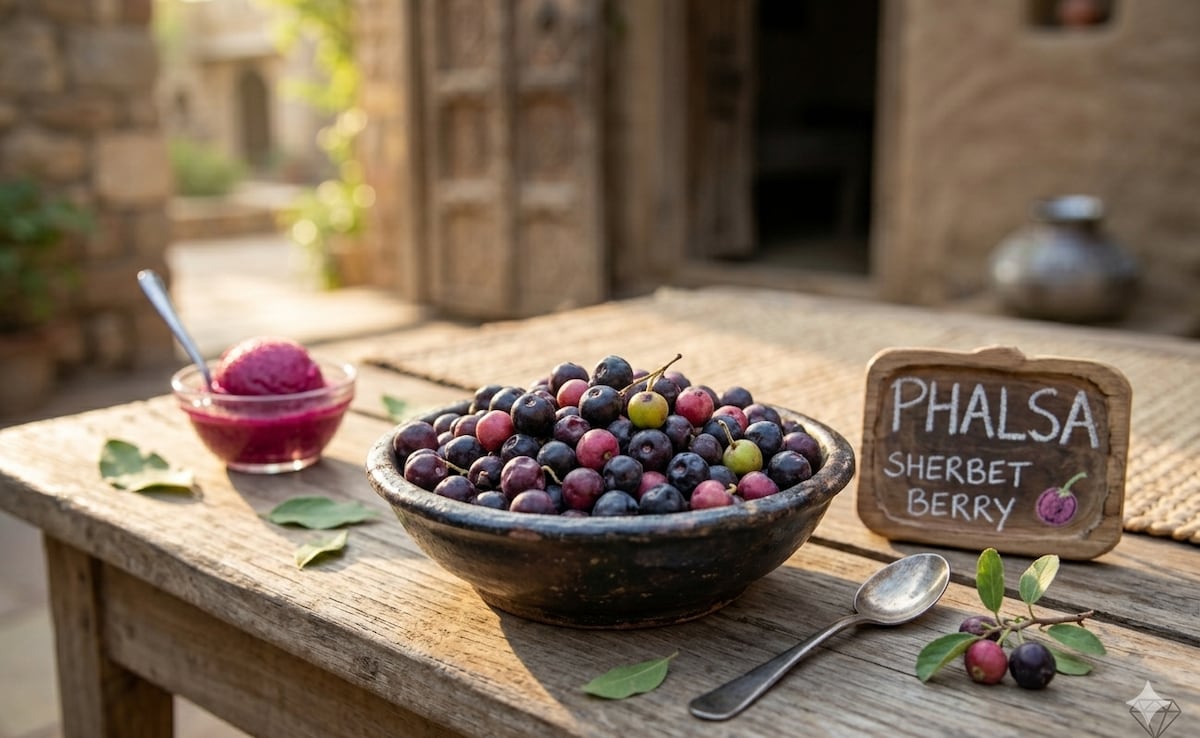
A moderate consumption of phalsa berry can help people with their blood sugar levels
Photo Credit: AI generated image
Best Way To Consume Phalsa If You Have Diabetes
Diabetics should ideally consult their primary care physician, who is aware of their dietary choices. The diet can be adjusted according to the nutritional requirements, but generally:
- Eat fresh phalsa in moderation, as eating too much can have side effects.
- Avoid sweetened sherbets and syrups, as the added sugars can cause sugar spikes.
- Pair with meals or consume as a mid-morning snack for better absorption in the body.
Also Read: Sugarcane vs. Watermelon Juice: Which Is Better For Cooling And Hydration?
Who Should Be Careful While Consuming Phalsa
Sherbet berry should be carefully consumed after thoroughly washing it to remove dirt and pathogens. You can use salted water to carefully remove the dirt effectively and ensure it is then washed with normal water so that the skin of the sherbet berry doesn't wilt. Here is what you need to know:
- Portion control is important; a handful of sherbet berries once a day is enough.
- Avoid packaged phalsa drinks, as they contain added sugars.
- Always monitor blood sugar response, as everybody reacts differently to sherbet berry.
Phalsa is nutrient-dense, fibre-rich, and low on the glycaemic scale; hence, it is ideal for diabetics. It helps support blood sugar regulation when eaten fresh, but the portion should be balanced. A traditional Indian fruit with modern nutritional relevance should be a part of your summer diet.
Disclaimer: This content, including advice, provides generic information only. It is in no way a substitute for a qualified medical opinion. Always consult a specialist or your own doctor for more information. NDTV does not claim responsibility for this information.