

)
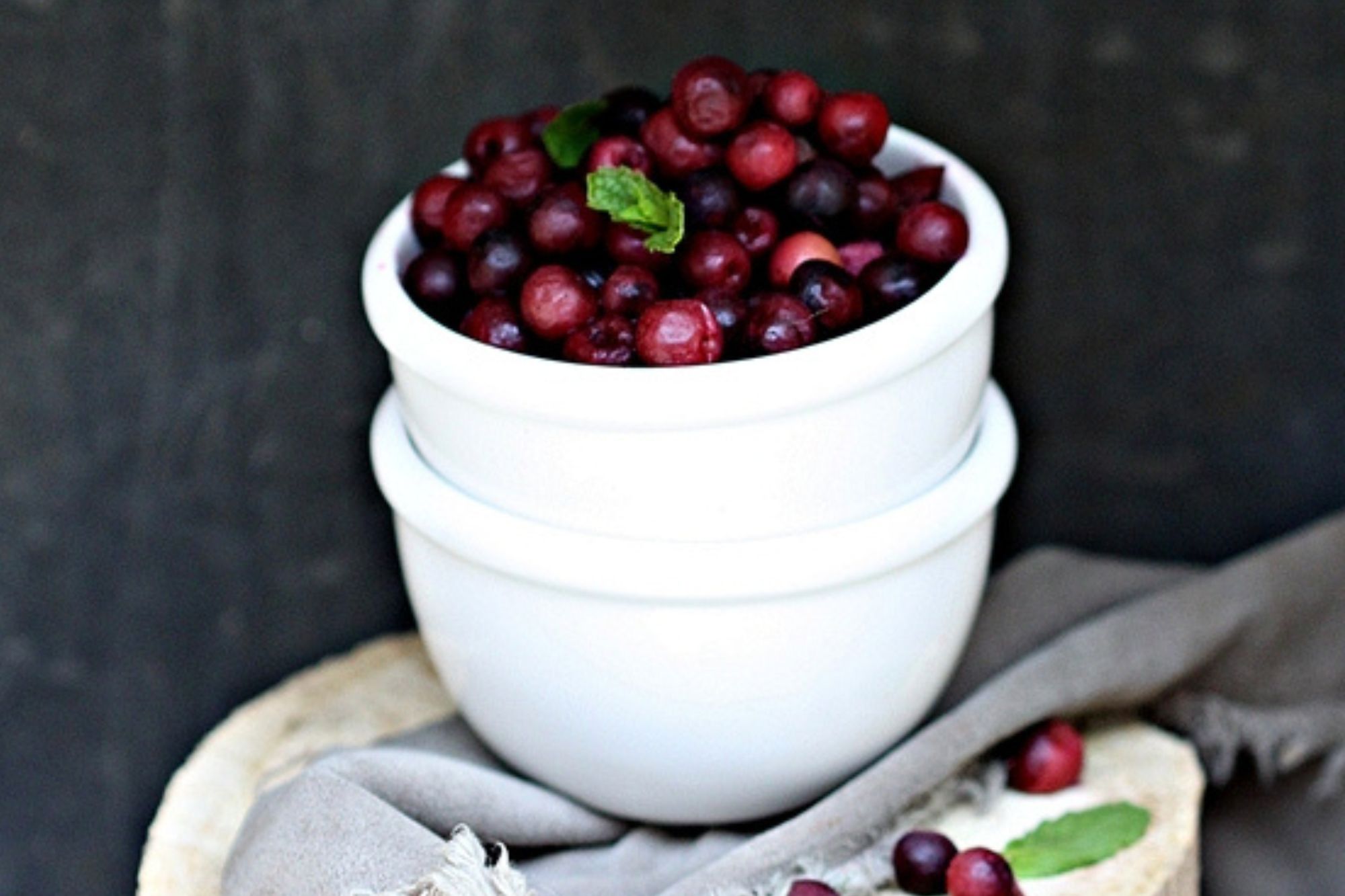
Phalsa is a small fruit that is sour in flavour and is widely available during the intense summer season in India. According to the research published in Biochemistry, Molecular and Cell Biology, phalsa, or Indian sherbet berry, is rich in vitamins (A and C), minerals (calcium, phosphorus, and iron), and fibre while being low in calories and fat. This makes it a must-have summer fruit that can be safely consumed in different ways, be it pickled, fresh, juiced, or as a sharbat to replenish the liquid that is lost by the body as it is exposed to extremely high temperatures. But its exact dose matters, as eating too much can have side effects, while eating a moderate quantity of it daily can offer internal cooling properties.
Nutritional Profile Of Phalsa Or Indian Sherbet Berry
Phalsa, or Indian sherbet berry, is a fruit that is rich in antioxidants, minerals, and vitamins; especially its 23 mg vitamin C content is responsible for boosting immune function. And its high dose of antioxidants can make it better at reducing the oxidative stress that is increasing due to increasing levels of exposure to pollutants. According to the Indian Council of Medical Research (ICMR), phalsa has the following exact nutritional profile that makes it an ideal pungent summer fruit:
- Calories: 48 calories
- Water Content: 88 per cent, which makes it beneficial for summer hydration.
- Carbohydrates: 10.2 g
- Fibre: 2.8 g
- Sugar: 7.4 g
- Fat: 0.3 g
- Vitamin C: 23 mg
- Minerals: It contains trace amounts of calcium, iron, and phosphorus, which support bone health and help with maintaining the quality of blood.
5 Health Benefits Of Phalsa, Or Indian Sherbet Berry
1. Boosts Immunity
When the body gets a boost of vitamin C, then the immune cells get a boost as well, and this leads to an overall better functioning of the immune system. When the immune cells function at optimal capacity, then the main booster behind it is vitamin C, which strengthens the defence against infections. This has been mentioned in the Molecules journal, and the Journal of Biochemistry highlights that eating Indian sherbet berry for a prolonged period in a controlled manner has the ability to function as an antimicrobial, anti-diabetic, anti-inflammatory, and even anti-cancer.
2. Aids Digestion
Indian sherbet berry is naturally high in fibre that supports sluggish gut health that needs an active boost during summers. There is even clinical evidence that suggests that Indian sherbet berry can counteract the impact on gut function from bacterial strains such as Proteus mirabilis, Citrobacter sp., Pseudomonas aeruginosa, Escherichia coli, Salmonella typhi, Micrococcus luteus, Staphylococcus aureus, and Bacillus subtilis. This means that its complete nutritional profile is enclosed in the fruit's small exterior.
Also Read: Which Berries Pack The Biggest Heart Health Punch?
3. Prevents Dehydration
As per its nutritional profile, the Indian sherbet berry has a cooling effect that helps beat summer heat. Dehydration is a major health concern that can impact almost every bodily function, so making healthy and hydrating choices is necessary during the summer months to safeguard your health from potential breakdown. According to the research published in the Indian Journal of Advanced Biochemistry Research, eating a controlled quantity of Indian sherbet berry during the days when the sun is completely overhead can hydrate your body from within.
4. Supports Heart Health
When it comes to maintaining your heart health, you need to consistently make heart-healthy choices that start foundationally from your diet. According to the research published in the Journal of Medicinal Plants Research, the high antioxidant dose in Indian sherbet berry may reduce oxidative stress, which directly impacts how your heart functions. As it is responsible for pumping blood throughout your body, when repetitive stress is put on it, it can lead to a breakdown in its normal functioning. This is where the Indian sherbet berry could prove useful, provided it is eaten as part of a balanced and nutritious diet consistently.
5. Relieves Fatigue
According to the research published in the Frontiers of Nutrition, the Indian sherbet berry has the ability to refresh the body and supply it with ample hydration. Not only is the whole fruit deeply healthy, but its juice, or sharbat, has the ability to reduce feelings of anxiety, depression, and even memory impairment, although research on it is limited to animal models. While several research pieces suggest that the Indian sherbet berry can even reduce cognitive fatigue and enhance executive function.
Also Read: Sugarcane vs. Watermelon Juice: Which Is Better For Cooling And Hydration?
Traditional And Modern Uses Of Phalsa Or Indian Sherbet Berry
- You can consume the berry as is, but be sure to wash it with a mixture of salted water, as dirt is common when it is fresh.
- To prolong its shelf life, people can pickle it in a dry rub of salt and spices that can preserve its nutritional value and reduce its sourness.
- You can juice it or prepare a sharbat as a cooling summer drink that can be hydrating and nutritious at the same time.
- A controlled dose of Indian sherbet berry can be used in smoothies, juices, and desserts, but its impact would be minimal as it is an additional ingredient.
Why You Should Add Phalsa This Summer
- Phalsa, or Indian sherbet berry, is available as per season from March to April in Southern India and May to June in Northern India.
- The momentary burst of healthy goodness needs to be consumed as soon as it is available, as the season is over before you know it.
- It is affordable and accessible in local markets and can be sourced and stored easily in an airtight container.
- Phalsa, or Indian sherbet berry, is a natural summer superfruit that can be incorporated in numerous ways to reap its health benefits.
Side Effects Of Consuming Phalsa Or Indian Sherbet Berry
- Gastric upset is possible if people have a sensitive stomach, and you need to consult a nutritionist or dietician for a safe consumption practice.
- Allergic reactions are possible, and they can manifest on the skin, as certain cosmetics also use phalsa extract as an ingredient.
- Especially be careful if you have an existing berry allergy, as it can lead to a potential allergic reaction if you haven't eaten it before.
Note: If you have had any medical history related to the kidneys or have impaired function, then consulting a medical professional is key to being safe.
Indian sherbet berry can become a summer addition to your diet in a variety of ways, as its wide-ranging health benefits can better your body's ability to fight heat stress. But be careful of the potential side effects, and consult a medical professional if you have any pre-existing medical conditions.
Disclaimer: This content, including advice, provides generic information only. It is in no way a substitute for a qualified medical opinion. Always consult a specialist or your own doctor for more information. NDTV does not claim responsibility for this information.