


-
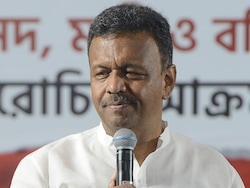
Opinion | Mamata Banerjee Has Lost Her Party. Will She Also Lose Her Muslim Vote?
For the first time in the 15-year history of Trinamool Congress rule, several influential Muslim leaders and legislators have either distanced themselves from the party, openly revolted, or aligned themselves with anti-TMC political formations.
-
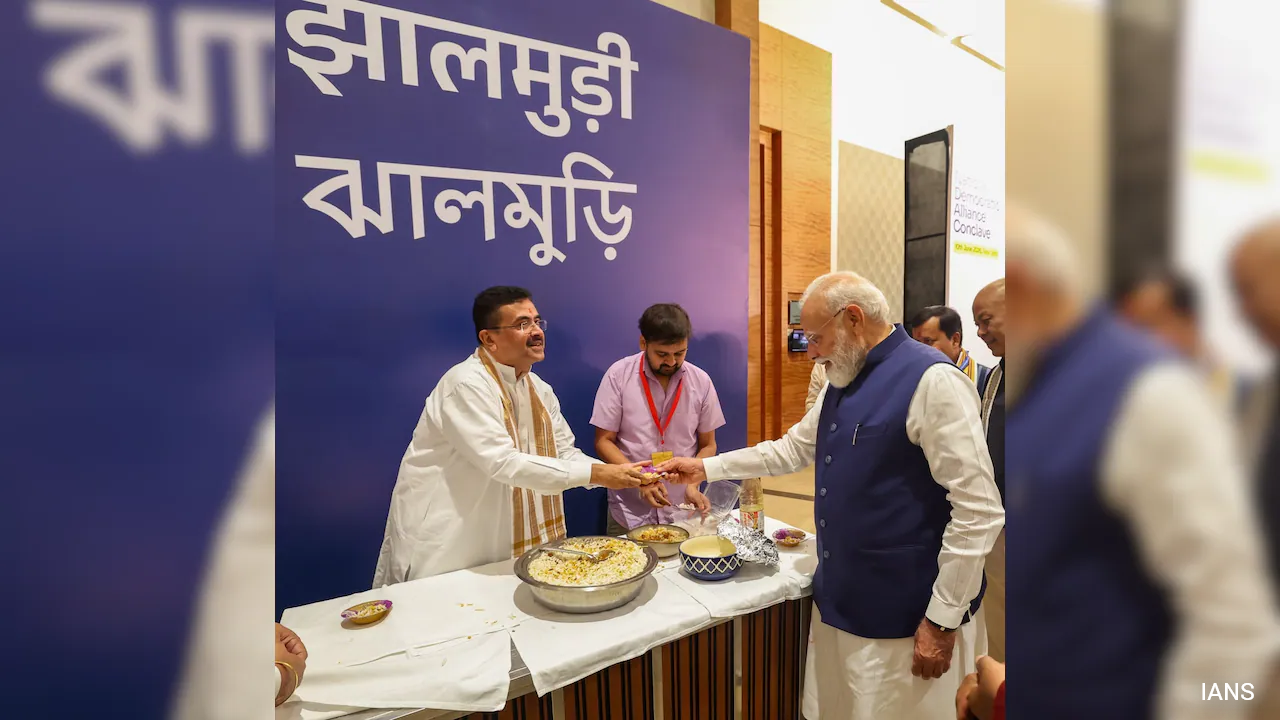
Video: Jhalmuri Moment At NDA Meet As PM Modi Completes 12 Years In Office
New Delhi, June 10 (IANS) West Bengal Chief Minister Suvendu Adhikari on Wednesday served the popular Bengali snack 'jhalmuri' to Prime Minister Narendra Modi during a crucial meeting of the National Democratic Alliance (NDA) in the national capital.
-

Yusuf Pathan, Shatrughan Sinha On List Of 19 Trinamool Rebel MPs: Sources
NDTV has accessed a list of 19 MPs, including Yusuf Pathan and Shatrughan Sinha, who want to part ways with Trinamool Congress.
-

4 Jail Employees Arrested For Smuggling Phones, Narcotics In Assam Prison
The arrests follow an extensive probe launched after a surprise search at the district jail on February 2.
-

Trinamool MP To NDTV: List of 20 'Rebel' MPs To Be Given To Speaker Today
The rebel camp has declared Kakoli Ghosh Dastidar as their Chief Whip in the House and Shatabdi Roy as the deputy
-

'Offer Has To Come From Trinamool': Congress Sources Amid Merger Buzz
According to sources, the Trinamool conveyed during the meeting that it wants a strong alliance and accepts Rahul Gandhi's leadership in the opposition grouping.
-
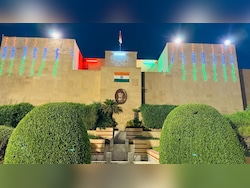
Opinion | Why India Appointed A Non-Muslim Ambassador To Saudi Arabia, For First Time Ever
It breaks the established convention since 1948 of sending a Muslim ambassador to the country.
-
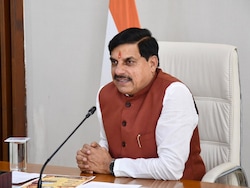
Madhya Pradesh Removes Two-Child Norm For Government Employees
Chief Minister Dr Mohan Yadav has directed the General Administration Department to scrap the proposed draft of the Madhya Pradesh Civil Services Rules that retained the provision barring candidates with more than two living children from government jobs.
-
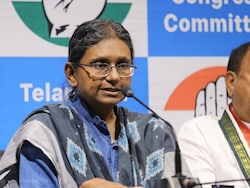
Congress Infighting, BJP Strategy, Meenakshi Natarajan's Nomination Rejection
Meenakshi Natarajan's Rajya Sabha nomination was rejected over an affidavit issue linked to a private complaint filed in Hyderabad.
-

Swapan Dasgupta Gets Finance As Bengal Finalises Portfolios
Suri MLA and former general secretary of the state BJP, Jagannath Chattopadhyay, was assigned the higher education department, while North Bengal leader Dipak Barman has been given the charge of school education.
-
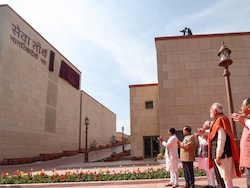
12 Years Of 'Decolonisation': How Modi Government Shed British-Era Practices
The Rajpath, or "King's Way," has been renamed Kartavya Path, meaning "Path of Duty." The government described the change as a shift from an icon of power to one of public ownership and empowerment.
-
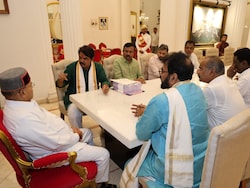
Waste Management Scam In Karnataka? BJP Alleges Rs 10,000-Crore Kickback
The BJP's R Ashok claimed that the contract awarded to MSW Solutions Limited, linked to Ramky Group, is one of the biggest scams in the country's history.
-

Boat Carrying 35 Pilgrims Overturns In Maharashtra's Beed, Two Dead
Witnesses said the boat operators packed more passengers than the vessel's capacity, leading it to lose balance and topple over.
-

Adani Solar Ranks 6th In Wood Mackenzie's Global Module Manufacturer List
This makes the Adani Group company highest-ranked Indian firm in the annual global assessment, at a time when India aims to expand domestic solar manufacturing capacity and cut dependence on imports.
-

AAP Youth Leader And Sarpanch Shot At In Punjab's Gurdaspur
Gurbindar Singh had just stepped out of his uncle's house and was about to get into his vehicle when two unidentified youth opened fire at him
-
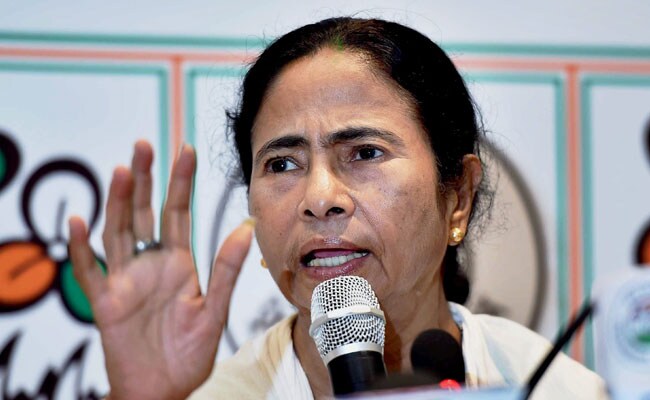
Opinion | The Most Accurate Prediction About Trinamool? An MS Aiyar 'Joke', From 1997
Towards the end of 1998, Mani Shankar Aiyar briefly tried the Trinamool experiment. He did not stay long. But while leaving, he offered a diagnosis that holds true even today.
-
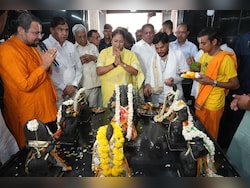
BJP Marks PM Modi's Record 12-Year Tenure With Pujas, Aartis Across Delhi
The celebrations coincided with Narendra Modi crossing Nehru's record of 4,399 days in office as an elected Prime Minister.
-
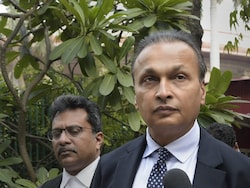
Anil Ambani Gets Interim Protection From Coercive Action Under Black Money Act
A bench of Justices BP Colabawalla and Firdosh Pooniwalla on Tuesday noted that there are other petitions filed in HC against the Act and admitted Ambani's plea, which will be taken up for final hearing in due course.
-

Inside Track: Sushmita Dev's 'Political Guide' Himanta Sarma Scripted Her Trinamool Exit
Sources told NDTV that the Assam Chief Minister has discussed a road map for Sushmita Dev's return to state politics
-
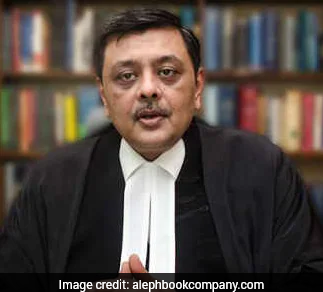
Justice Gautam Patel: Ex-Judge Facing Death Threats Over Dawoodi Bohra Order
Justice Gautam Shirish Patel is widely regarded as one of the most respected jurists to have served on the Bombay High Court.


