


-

Delhi Court Issues Notice To Magistrate Over Bias Allegations In 2 Cases
The court noted that the petitions contained allegations of bias against the presiding officer and directed that a copy of the transfer plea be sent to the magistrate concerned.
-

First Made-In-India C-295 Carries Out Maiden Test Flight
The first made-in-India C-295 military transport aircraft successfully completed its maiden flight, the Indian Air Force (IAF) said on Wednesday.
-

4 Bangladeshi Robbers Jump In Gurugram Underpass To Run From Cops, Arrested
Police said that when officers moved in to arrest them, the suspects jumped into the underpass. One of them suffered fractures in both legs, while two others fractured one leg each.
-

Kerala Man Tests Positive For Nipah In Preliminary Screening
Kerala Health Minister K Muralidharan has said the man had extensive contacts but stressed that there was no reason for panic at this stage.The final confirmation from the National Institute of Virology is expected on Thursday.
-
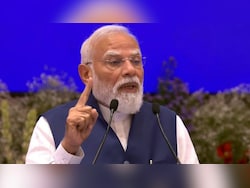
NDA Leaders Adopt Resolution Lauding PM Modi's 12 Years In Power
The meeting, which brought together senior leaders from across the alliance, was chaired by BJP National President Nitin Nabin.
-

Protests Erupt In Manipur After Bodies Of 6 Naga Hostages Recovered
The Nagas have now declared that they will not accept the bodies of the six hostages until their charter of demands is fully addressed.
-

No Ban On Import Of Indian Mangoes, Says Nepal
The Ministry of Agriculture and Farmers Welfare on Wednesday dismissed reports claiming that Nepal had imposed a ban or suspension on the import of mangoes from India, describing such reports as "factually incorrect and misleading".
-
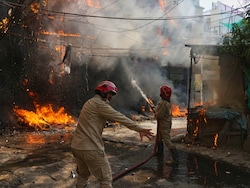
Delhi Fire Deaths Rise To 23 As Bangladeshi Woman Dies During Treatment
A Bangladeshi woman who was injured in a fire at a hotel in south Delhi's Malviya Nagar area succumbed to her injuries during treatment on Wednesday, taking the death toll in the tragedy to 23, an official said.
-
'Not The Person I Knew': Former Boss Of Man Behind 'Rs 370 Biryani' Remark
Vishwakarma said he had conducted an internal review and spoken to his team, including female colleagues. No complaints about Jangra's conduct in the workplace were found.
-

High Court Setback For Anil Ambani Aide In Money Laundering Case
The ED case pertains to an alleged forged bank guarantee of Rs 68.20 crore, along with endorsements and confirmations, submitted before SECI as part of the tender process.
-
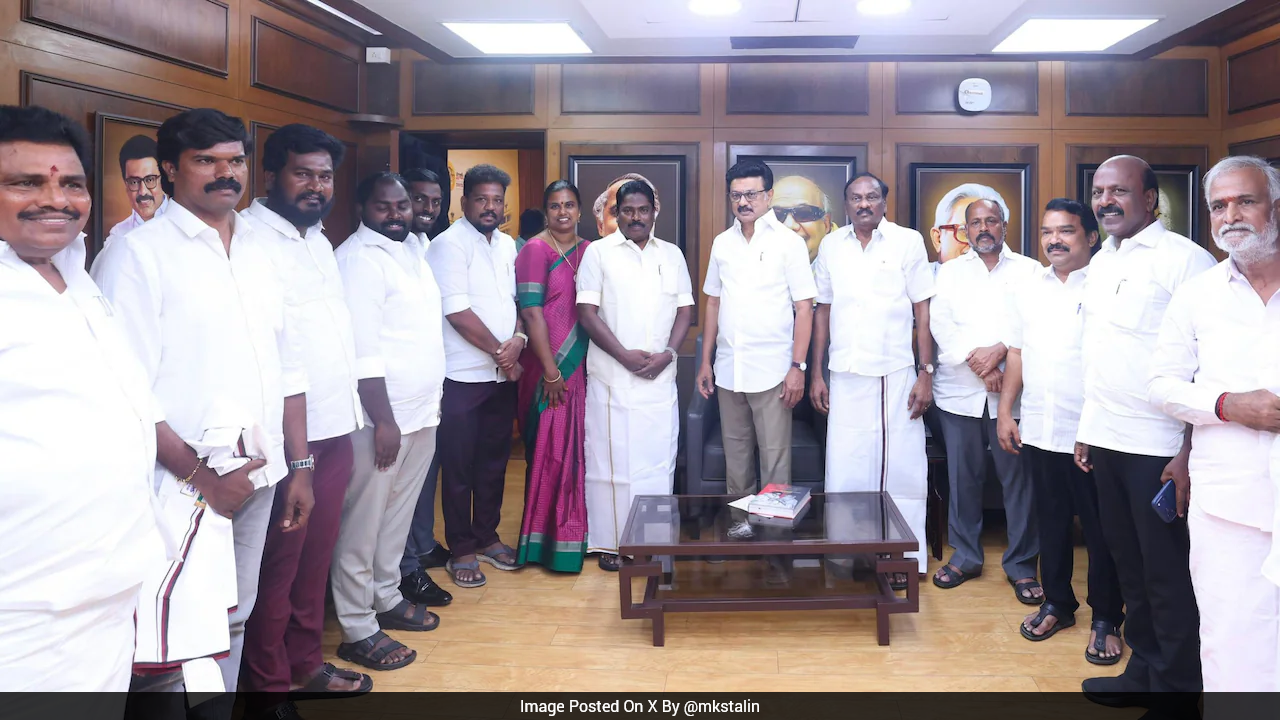
Ex AIADMK Minister P Benjamin, Supporters Join DMK
P Benjamin's exit marks the continuation of the exodus of prominent AIADMK leaders.
-
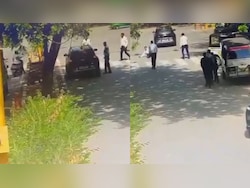
On Camera, Delhi Traffic Cop Hospitalised After SUV Tries To Run Him Over
A CCTV video shows a black SUV trying to mow down traffic cops who are trying to stop it.
-

Tamil Nadu BJP Leader's "Another DMK" Jibe After Quitting Party
In a nine-minute video released after his resignation, Amar Prasad Reddy detailed his contributions to the BJP since joining the party in 2013.
-

"No Trinamool Without Mamata Banerjee": Sagarika Ghose To NDTV
Trinamool's Rajya Sabha MP Sagarika Ghosh, speaking with NDTV, said despite open rebellion, "there is no Trinamool Congress without Mamata Banerjee."
-

"Morally Wrong": Rebel's "I Miss You Didi" Message For Mamata Banerjee
Asked whether she felt conflicted, Shatabdi Roy said, "I feel politically I made the right decision. But emotionally and morally I'm wrong."
-

In Big Step, India Issues Demarche To US Diplomat After Attack On Ship
In Big Step, India Issues Demarche To US Diplomat After Attack On Ship
-

Frustrated By Power Cuts, Navi Mumbai Woman Walks Into Electricity Office With Pillow
According to her, electricity in the area was being cut almost every night between 11 pm and 4 or 5 am, leaving residents without fans or air conditioning during humid summer nights.
-
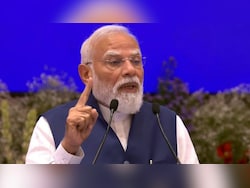
At NDA Meet On Completing 12 Years, PM's 'Congress Growth Rate' Jab
PM Modi blamed the Congress governments for impeding the nation's growth and then branding it the "Hindu Growth Rate".
-

8-Year-Old Girl, Out To Buy Milk, Mauled To Death By Stray Dogs In Punjab
The victim had stepped out to buy milk from a nearby market. With the streets deserted in the afternoon heat, she was suddenly attacked by a pack of nearly six stray dogs.
-

After Ashok Gehlot's Outburst, Sachin Pilot's Message On "Restraint"
Former minister Ramesh Meena also targetted Ashok Gehlot


