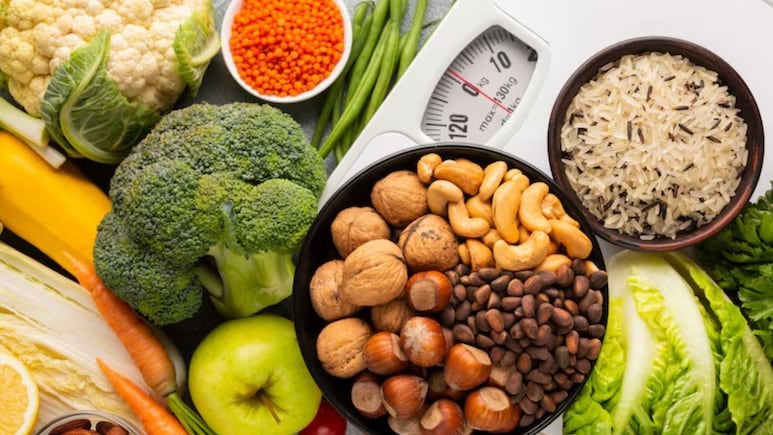
The holiday season is over, and many of us are feeling a little more indulgent than usual. Now, however, it is time to get back on track. If you are trying to shed some weight, insulin resistance might be a major hurdle in your journey. Reversing insulin resistance and achieving weight loss requires a combination of lifestyle changes, including a healthy diet, regular exercise, and effective stress management.
Fitness coach Julie Capozziello shares five valuable tips to help reverse insulin resistance and lose weight. In a post shared on Instagram, she writes, "Most of the sugar from the food you eat is supposed to go into muscle. When you train a muscle, it acts like a storage tank for blood sugar. When you don't have much muscle or don't use it often, sugar stays in the bloodstream longer, and insulin has to work harder!"
1. Build Muscle
Skeletal muscle is the largest site of glucose disposal in the body. When you eat carbohydrates, they turn into sugar in your bloodstream, and that sugar needs to be stored somewhere – primarily in the muscles. Every time you contract a muscle, it pulls sugar out of the blood and stores it. The more muscle you have and use regularly, the less insulin your body needs to manage blood sugar. Resistance training can improve insulin resistance even without weight loss. This is also why many women who rely only on cardio remain insulin-resistant.
2. Increase Your Protein Intake
Another factor that helps is the order in which you eat your meals. When protein is eaten first, glucose enters the bloodstream more slowly, leading to smaller glucose spikes. Slower digestion results in a lower insulin response, which improves insulin sensitivity over time. "This is also a great tip for women who feel snacky or exhausted after a meal," the fitness coach says.
3. Walking After Your Meals
Light movement after meals has been shown to increase glucose uptake by muscles almost immediately. "Studies show that it could reduce those glucose spikes by 20 to 30%," she adds.
4. Get Good Enough Sleep
Sleep deprivation alone can induce insulin resistance, as short sleep increases cortisol levels – and cortisol blocks insulin signalling. The coach also mentions using a Garmin Watch to track sleep patterns, including deep sleep. While clarifying that it is not an advertisement, she suggests that tracking sleep may help those struggling with rest and recovery.
5. Tracks Workouts And Diet
You can not improve what you do not measure. Building muscle becomes difficult if you are not tracking your workouts, just as dietary changes are harder without awareness. One actionable step you can take today is downloading a fitness app to track daily food intake and exercise, helping you better understand what needs to change.
Also Read | How Hrithik Roshan Stays Fit With Portion Control: "Eat Less But Make The Plate..."
Track Latest News Live on NDTV.com and get news updates from India and around the world
