

)
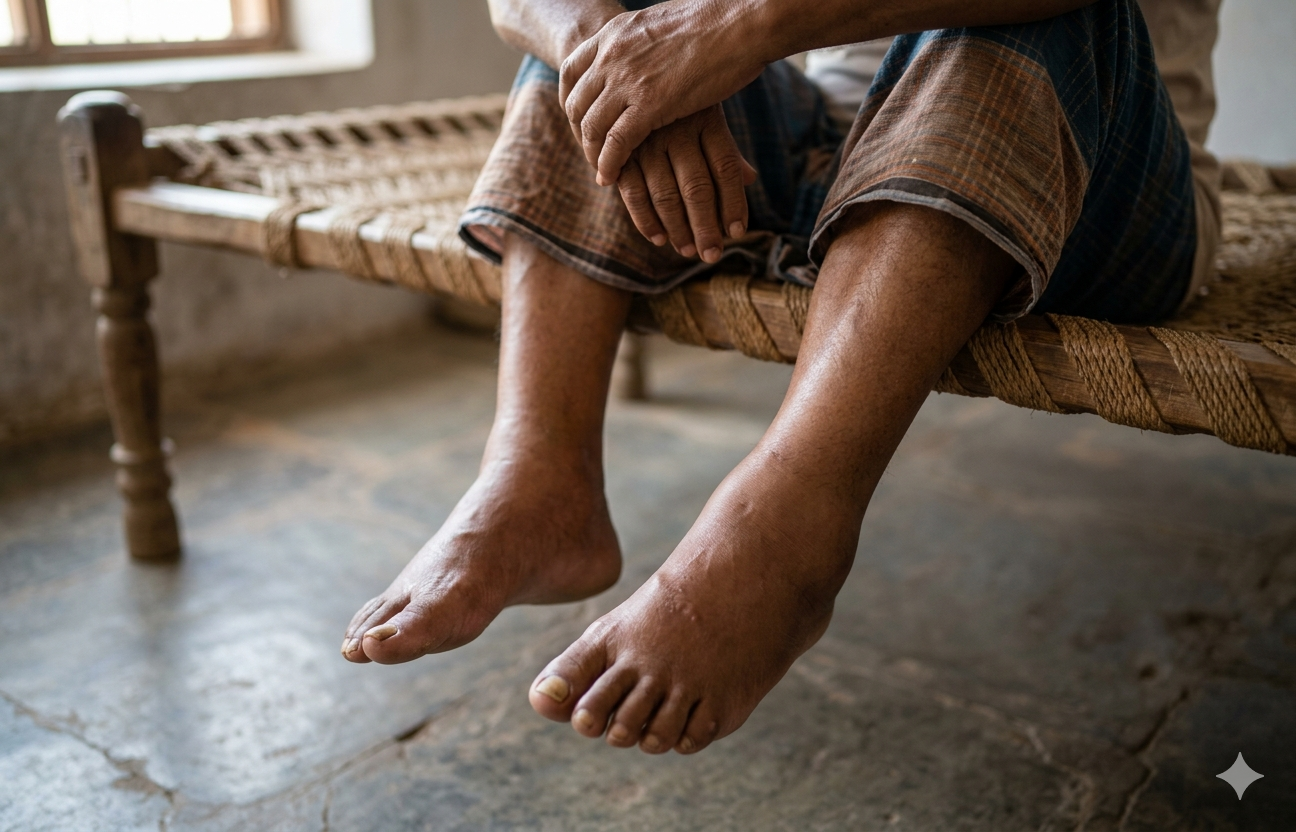
The feet are often ignored when it comes to annual medical check-ups, which shouldn't be the case. As certain feet change may signal liver disease, which needs to be considered when overall health is under the scanner. These small, visible signs may appear while walking that warrant paying attention to what is happening with your liver. From swelling of the feet to yellowing of the skin, feet, and toenails, there are many signs on your feet that may indicate possible liver disease. Research published in the Liver journal suggests that you shouldn't ignore it while walking. To understand how your liver may be impacted, it is important to notice the signs that may occur on your feet and take timely action to seek necessary medical advice.
How Are Your Feet Connected To Liver Health?
Your feet are connected to liver health, as they have nerve endings. The liver plays an active role in protein production, blood clotting, and filtering toxins, so physical manifestations on your feet can occur.
When liver function is disrupted, and clear signs of dysfunction arise, circulation problems can appear on the skin, including the feet. This connection helps explain why foot symptoms may be an early warning of liver issues.
NDTV spoke to Dr Anuj Pahuja, Associate Consultant Gastroenterology, Fortis Escorts Heart Institute, Okhla, New Delhi, who explains, "Your feet can reveal early warning signs of liver disease; these are clues which are easy to ignore, but it is important that you don't miss them."
4 Foot-Related Warning Signs Of Liver Disease
1. Persistent Swelling In The Feet (Pedal Oedema)
Dr Anuj Pahuja explains, "Persistent swelling of your feet is known as pedal oedema. It can show signs of early liver disease due to low albumin production by the liver. It is also seen in patients with heart disease and occasionally in diabetic patients."
Liver's journal details that the plasma oncotic pressure causes fluid to leak and accumulate in the ankles and feet, which causes the swelling.
People who have hypertension and kidney issues tend to suffer from renal sodium retention, which can further worsen lower-limb oedema.
2. Yellowing Of Skin And Toenails
"Yellowing of the skin and toenails can indicate increased bilirubin levels, which is often a sign of liver disease. This discolouration is more noticeable in natural light," explains Dr Anuj Pahuja.
Although first seen in the eyes, yellowing can extend to the skin of the soles and toenails. The discolouration becomes more visible in areas with thicker skin and keratin, such as the feet. And the severity of jaundice often correlates with advanced liver dysfunction.
Also Read: A Gastroenterologist Explains How Watermelon Consumption Affects Post-Meal Bloating
3. Unexplained Itching On The Soles
Dr Anuj Pahuja points out, "Unexplained itching on the soles of the feet, known as cholestatic pruritus, can be an early indicator of underlying liver disease. It often occurs when bilirubin levels in the blood are elevated." The liver's journal highlights that it typically affects the palms and soles first and tends to worsen at night. It is mainly caused by bile salt accumulation, cytokine release, endogenous opioids, and IL-31 activation. It can even exist before abnormal liver tests, making it a critical early sign.
4. Easy Bruising Or Bleeding From The Feet
"Frequent bruising or bleeding on the feet, especially with minimal or no trauma, can be a sign of poor blood clotting (coagulation), which may indicate decreased liver function," explains Dr Anuj Pahuja.
- The liver produces clotting factors, and when cirrhosis leads to coagulopathy, it causes bruising.
- Minimal trauma can result in bleeding from pressure points on the feet as the capillaries become fragile.
- This also leads to an increased risk of unexplained foot bruises.
When Should You See a Doctor?
A doctor consultation is warranted when you see or experience the following:
- When the symptoms last beyond a few days, it means that the issue is internal.
- A combination of foot signs, as well as fatigue and jaundice, signals a need to pay a visit to the doctor.
- When early diagnosis occurs, the progression of the disease can be stopped. It also leads to better patient outcomes.
Conditions That Increase Liver Disease Risk
There are certain medical conditions that can increase the risk of liver disease. Here are the conditions that people should be aware of:
- Fatty liver disease
- Alcohol use disorder
- Diabetes and metabolic syndrome
- Viral hepatitis
What Tests May Be Advised?
If you want to get your liver function checked, then you need to get the following tests:
- Liver function tests (LFTs)
- Ultrasound
- Blood markers
Liver disease can cause signs in your feet, but it does not always mean there is a problem. Consulting a podiatrist can help determine if foot signs are linked to liver disease.
Disclaimer: This content, including advice, provides generic information only. It is in no way a substitute for a qualified medical opinion. Always consult a specialist or your own doctor for more information. NDTV does not claim responsibility for this information.