

)
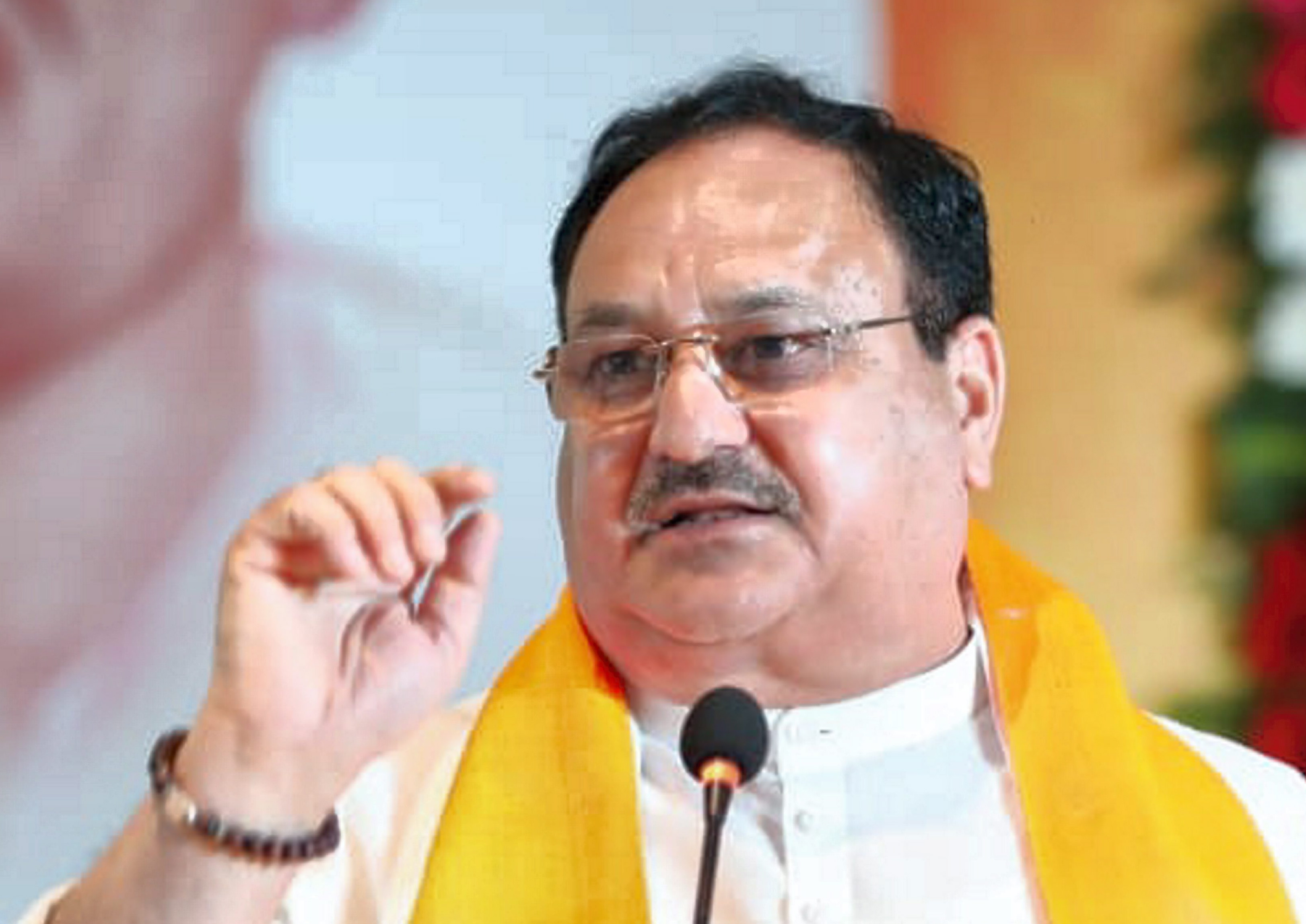
Reinforcing India's commitment to comprehensive primary healthcare, Union Minister for Health and Family Welfare Jagat Prakash Nadda has launched the Integrated Training for Primary Healthcare Teams during the recently concluded 10th National Summit on Innovation and Inclusivity: Best Practices Shaping India's Health Future. The initiative marks a major shift from fragmented and programme-specific capacity building to a single, structured and competency-driven training framework aimed at strengthening the country's frontline health workforce. According to the Health Ministry, the integrated approach is expected to transform frontline healthcare workers into confident providers of comprehensive, people-centred care at the last mile.
Strengthening Ayushman Bharat And Community Healthcare
India has significantly expanded investments in health systems strengthening in recent years, with a strong emphasis on Comprehensive Primary Health Care and community participation. A major milestone in this effort was the launch of Ayushman Bharat, under which Ayushman Arogya Mandirs were envisioned as centres for preventive, promotive and curative healthcare services. The government highlighted that deep community engagement has played a defining role in this approach through platforms such as Jan Arogya Samitis, Mahila Arogya Samitis, Village Health and Sanitation Committees, and AAM Shivirs.
Also read: Government Revamps Rashtriya Bal Swasthya Karyakram To Tackle Lifestyle Diseases And Mental Health
Focus On Quality, Accessibility And Last-Mile Care
As India moves closer to achieving the Sustainable Development Goals and prepares for the vision of Viksit Bharat at 2047, the need for healthcare that is accessible, responsive and high-quality has become increasingly important.
Across the country, thousands of primary healthcare teams continue to serve communities in challenging environments. The ministry noted that the effectiveness of healthcare delivery depends not only on infrastructure but also on the knowledge, skills and confidence of healthcare providers. Officials said a well-trained and confident workforce is essential for improving quality of care, reducing pressure on higher-level facilities and strengthening public trust in the healthcare system. It also reinforces India's focus on preventive and promotive healthcare, which are considered key pillars for building a healthier and more productive nation.
PM Modi's Vision Of People-Centric Healthcare
Reiterating the importance of equitable healthcare access, Prime Minister Narendra Modi has emphasised that healthcare progress must reach every citizen. "True progress is people-centric. No matter how many advances are made in medical science, access must be assured to the last person at the last mile," the Prime Minister said.
The new integrated training framework is aimed at strengthening this vision by equipping frontline providers to deliver comprehensive care ranging from prevention and early detection to treatment and follow-up closer to people's homes.
Digital Learning Through iGOT Karmayogi
The government said the initiative aligns with India's growing technological capabilities and will leverage digital learning platforms such as iGOT Karmayogi for continuous skill development. The use of digital platforms is expected to make the healthcare workforce more adaptive, future-ready and capable of responding to evolving public health needs.
Also read: New Swasth Bharat Portal Explained: Unifying India's Health Systems Via Digital Integration
Empowering Women At The Frontlines
One of the defining aspects of the initiative is its focus on empowering women, who make up more than 70 per cent of India's primary healthcare workforce, including ASHAs, ANMs and Community Health Officers (CHOs). The Health Ministry said the programme reflects the Prime Minister's emphasis on Nari Shakti by investing in women healthcare workers at the grassroots level. Officials added that strengthening the skills and confidence of frontline women workers will help drive transformative change across communities while ensuring empathetic, responsive and high-quality care. The Integrated Training Modules are expected to help primary healthcare teams provide holistic and people-centred healthcare while strengthening trust between communities and the public health system. The ministry described the initiative as more than just a training reform, calling it a strategic investment in the future of public health in India.
Disclaimer: This content, including advice, provides generic information only. It is in no way a substitute for a qualified medical opinion. Always consult a specialist or your own doctor for more information. NDTV does not claim responsibility for this information.