

)
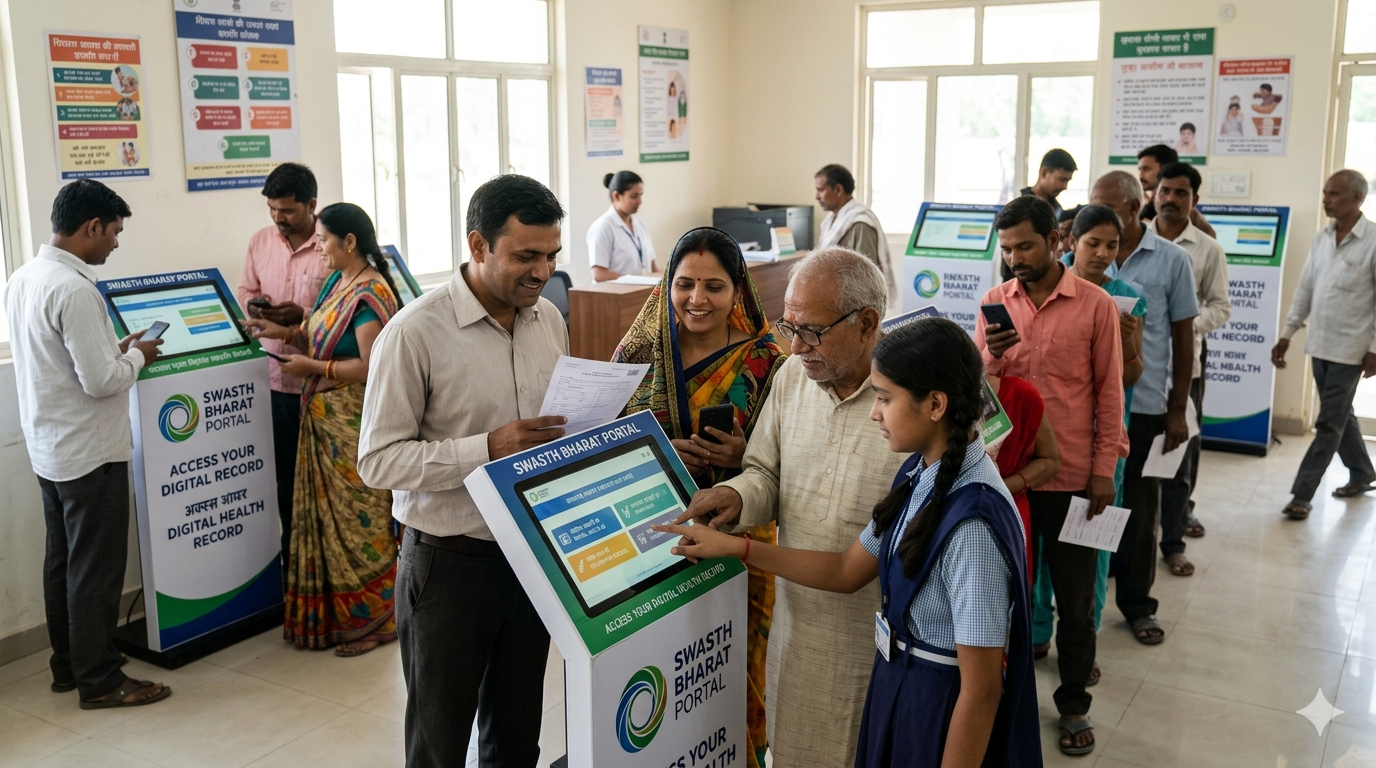
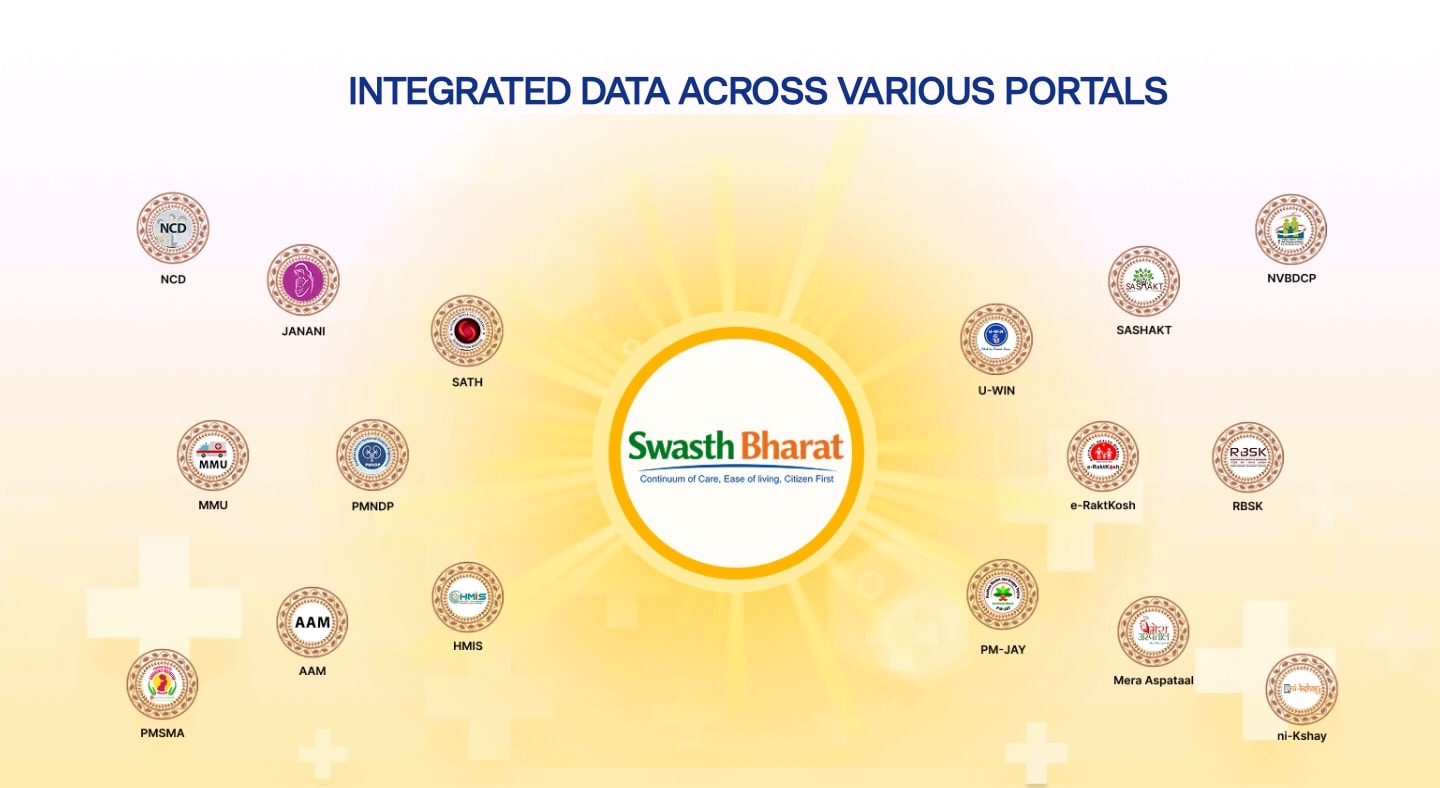
In a major push toward strengthening India's digital health infrastructure, the government has unveiled the Swasth Bharat Portal, a unified platform designed to integrate fragmented health programme systems across the country. The initiative is aligned with the broader goals of the Ayushman Bharat Digital Mission (ABDM), which seeks to build an interoperable, secure, and patient-centric digital health ecosystem. India's public health data systems have long been siloed, with multiple programmes operating independently, often leading to duplication of data entry, inefficiencies in reporting, and delays in decision-making. The Swasth Bharat Portal aims to address these challenges by functioning as a one-stop aggregator platform, connecting various health databases through application programming interfaces (APIs).
With the integration of ABHA (Ayushman Bharat Health Account) IDs, the platform is expected to streamline health data exchange while maintaining privacy and security standards. Experts say such digital transformation could significantly enhance healthcare delivery, especially in a country as vast and diverse as India.
What Is The Swasth Bharat Portal?
The Swasth Bharat Portal is designed as a centralised digital platform to integrate multiple national health programme systems. By enabling interoperability through APIs, it allows different health databases to "talk" to each other seamlessly.
According to the Press Information Bureau release, the platform will:
- Act as a single interface for multiple health programmes
- Eliminate duplicate data entry
- Streamline reporting processes
- Enable faster, data-driven decision-making
This is a significant shift from the current system, where frontline health workers often input the same data across multiple portals.
Reducing Administrative Burden
One of the key goals of the platform is to ease the workload on healthcare workers and administrators.
Currently, fragmented systems lead to:
- Repeated data entry
- Increased risk of errors
- Delays in programme monitoring
The Swasth Bharat Portal addresses this by creating a unified data layer, ensuring that information entered once can be reused across programmes.
The government projects:
- 20-30% reduction in infrastructure load
- 20-40% reduction in data entry and HR duplication
These efficiency gains could translate into more time for patient care and improved programme implementation.
ABDM Compliance And ABHA Integration
The platform is fully compliant with the Ayushman Bharat Digital Mission framework, ensuring interoperability and secure data exchange. A key feature is the integration of ABHA IDs, which serve as unique digital health identifiers for individuals. This enables:
- Seamless access to patient health records
- Continuity of care across providers
- Secure sharing of medical data with consent
Why Interoperability Matters
India's health system includes numerous vertical programmes, ranging from maternal health to disease surveillance, each with its own data infrastructure.
Lack of interoperability has historically led to:
- Data silos
- Inconsistent reporting
- Limited real-time insights
By integrating these systems, the Swasth Bharat Portal can enable:
- Better tracking of disease trends
- Improved allocation of resources
- Faster response during health emergencies
Implications For Public Health
The launch of the Swasth Bharat Portal marks a significant step toward data-driven governance in healthcare.
For policymakers, it means:
- Access to real-time, consolidated data
- Improved monitoring of national programmes
- Faster policy responses
For citizens, it could lead to:
- More efficient healthcare services
- Reduced paperwork
- Better continuity of care
The Swasth Bharat Portal represents a crucial milestone in India's journey toward a fully integrated digital health ecosystem. By addressing long-standing challenges such as data fragmentation and administrative inefficiencies, the platform has the potential to transform how healthcare is delivered and managed.
Disclaimer: This content, including advice, provides generic information only. It is in no way a substitute for a qualified medical opinion. Always consult a specialist or your own doctor for more information. NDTV does not claim responsibility for this information.