





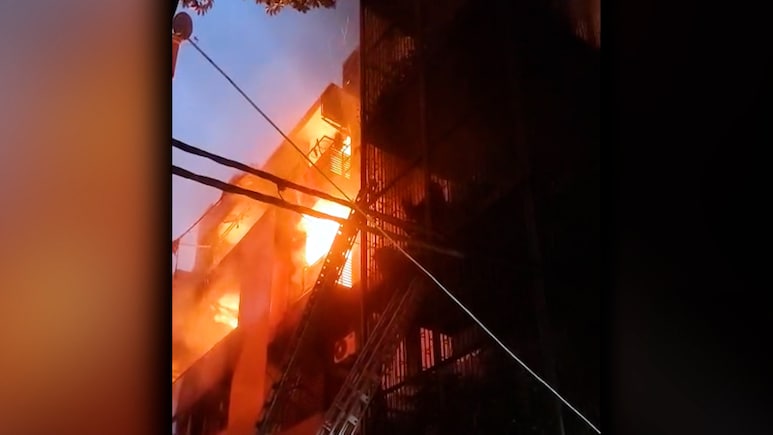
- A fire in Delhi killed nine due to locked terraces and iron window grills
- Delhi sees 3-4 residential fires daily, with 1,318 calls last year reported
- Service electrical wiring every 6-7 years and avoid socket overloading
Home Fire Safety Tips: A devastating fire recently broke out in a four-storey residential building in Delhi's Vivek Vihar, killing nine people, including a toddler. The blaze was suspected to have been triggered by an air conditioner (AC) blast or a short circuit. The safety features designed for security actually prevented victims from escaping, with locked terraces and iron grills on windows, turning the building into a "death trap". Fire spread in minutes, but residents couldn't get out. The tragic accident acted as a reminder why everyone in India should know about home fire safety.
In Delhi, around three to four residential buildings report blazes every day on average, according to Delhi Fire Services data. Between April 2025 and March 2026, the department received 1,318 such calls.
Also read | Extreme Heat Can Make LPG Cylinders Dangerous: 5 Safety Tips You Must Know
Fire departments say most residential fires are preventable with basic habits.
Here are 5 home fire safety tips experts say every household should know:
1. Service your electricals and avoid overloading: Short circuits are the biggest cause of home fires in India. With ACs, coolers and refrigerators running non-stop, they sometimes become dangerous, especially in the summer season.
It is advised to get wiring checked every 6-7 years by a licensed electrician. And install Miniature Circuit Breakers (MCBs) as they are designed to cut power during overloads.
Also, don't overload sockets. Plugging ACs, microwaves and geysers into one extension board is a recipe for overheating. "Mixing too many devices into a single socket can result in overheating and sparking," warns the Delhi Fire Service.
2. Keep LPG cylinders safe: Cooking gas is involved in countless home blasts. It is advised to store cylinders upright in a cool and ventilated area, never in closed cabinets or direct sunlight.
Keep the stove higher than the cylinder and at least 5 feet from open flames. Check for leaks with soapy water on the pipe and regulator; if bubbles emerge, it means a leak. Never light a match if you smell gas.
Shut the regulator first, then the stove knob, after cooking. This prevents residual gas in the pipe.
3. Plan your escape, and keep exits clear: Every house must have a proper emergency exit. The rooms should have two ways out of every room, and the windows with grills should have quick-release latches.
It is also advised to never lock terrace doors or block staircases. Fire officials say meter boards installed on staircases are a serious fire hazard because if they catch fire, smoke fills the only exit. Also, keep the passages, balconies and stairwells free of old furniture, newspapers or bikes.
Make sure everyone in the family is aware of the 'meeting point' outside. It can be a tree or a lamp post, so you know everyone's out. Practice safe evacuation twice a year.
4. Install smoke detectors and know how to use a fire extinguisher: Smoke alarms cut the risk of dying in a home fire in half, yet most Indian homes don't have them. Keep at least one fire extinguisher in homes and learn PASS: Pull the pin, Aim at the base, Squeeze, Sweep side to side. In high-rises, installation of sprinklers is a must.
5. Don't ignore small habits: Some small habits can help in preventing big fires:
- The habit of unplugging ACs, heaters and irons is good.
- Don't smoke inside the house as doused butts can smoulder for hours.
- Curtains, paper and cleaning chemicals should be 3 feet from stoves, heaters, and diyas. Store petrol and paints in ventilated areas.
- Clean dryer lint traps and kitchen chimneys* regularly as grease buildup catches fire fast.
- In an emergency, cutting power can stop further damage and also teach all family members where it is, and how to use it.
Track Latest News Live on NDTV.com and get news updates from India and around the world

