

)
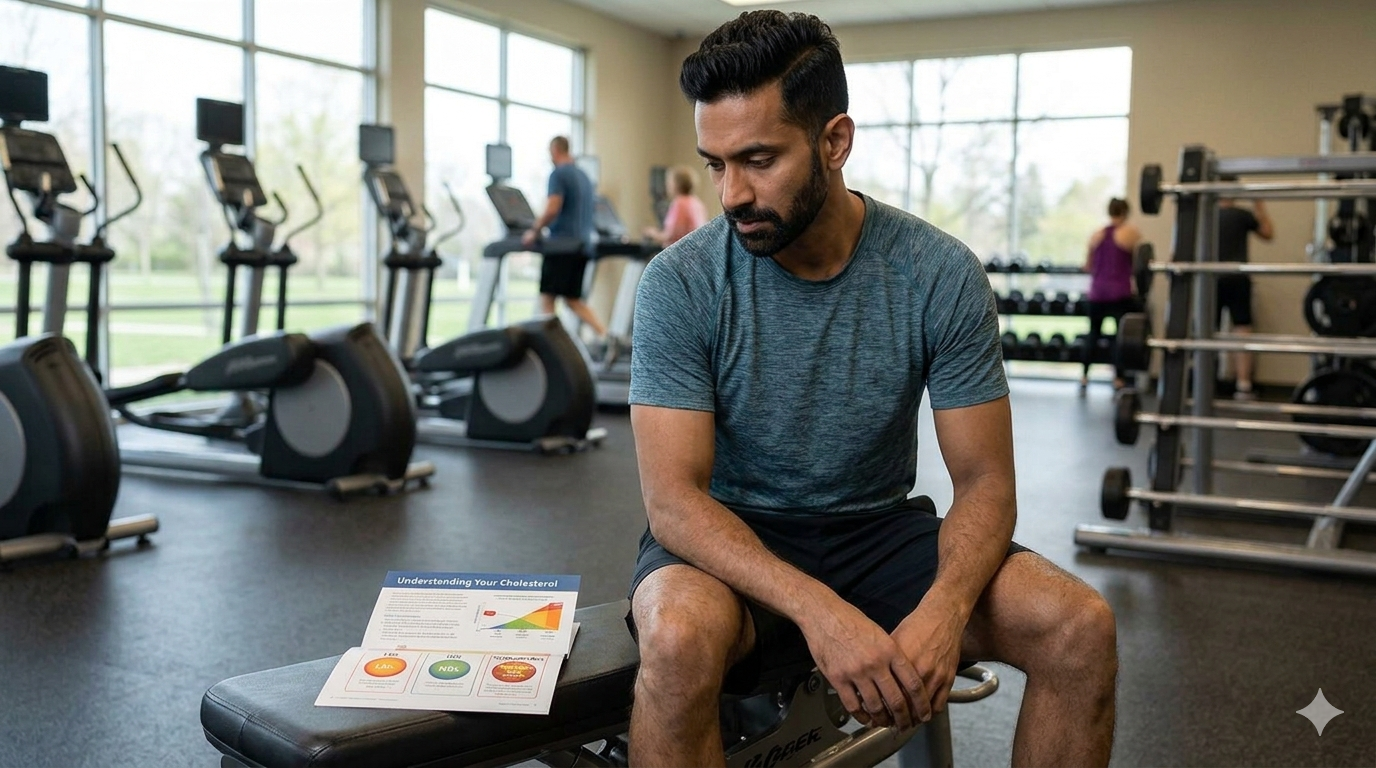
Many people assume that being slim automatically means having good heart health. But reality is more complex. You can look lean on the outside and still have unhealthy cholesterol levels on the inside. High cholesterol, or Hypercholesterolemia, does not always show visible signs. This is why it is often called a "silent" risk factor for heart disease. The American Heart Association (AHA) highlights a common myth about cholesterol that slim people don't have to worry about it. While excess weight does increase the likelihood of high cholesterol, the AHA emphasises that even people who are thin can be affected.
Being Lean Doesn't Guarantee Healthy Cholesterol
Body weight is just one piece of the health puzzle. Cholesterol levels are influenced by several factors, including genetics, diet, physical activity, and overall lifestyle. Even individuals with a normal body mass index (BMI) can develop high levels of "bad" cholesterol (LDL) or low levels of "good" cholesterol (HDL). This condition is sometimes seen in people who are thin but metabolically unhealthy.
Also read: No Smoking, No Alcohol, No Obesity: Doctor Explains Heart Disease Causes In Healthy Individuals
The Role Of Genetics
In some cases, high cholesterol runs in families. This condition is called Familial Hypercholesterolemia and can cause very high cholesterol levels regardless of body weight. People with this condition may appear healthy but have a significantly increased risk of heart disease from a young age. According to a study, the highest prevalence was observed among individuals aged 60 to 69 years, while the lowest prevalence occurred in those aged 20 to 29 years.
High cholesterol may begin in childhood, often linked to inherited conditions or unhealthy lifestyle habits. To help identify risks early, cholesterol screening is recommended for all children between ages 9 and 11 who have not yet been tested. This process should involve collaboration among clinicians, parents, and caregivers to guide appropriate care.
According to the American Heart Association, regardless of risk level, every child benefits from healthy lifestyle practices. Balanced eating and regular physical activity play a key role in lowering the long-term risk of heart disease and stroke.
I t went on to recommend that starting at age 2, to avoid cholesterol issues children should follow a diet rich in fruits, vegetables, whole grains, and fish, while limiting foods high in sodium, saturated fat, and added sugars. These habits build a strong foundation for lifelong heart health.
Diet Still Matters
It is importanat to know that being lean does not mean your diet is heart healthy. Regular consumption of processed foods, trans fats and sugary items can raise cholesterol levels even if it does not lead to weight gain. On the other hand, a balanced diet rich in fibre, healthy fats and whole foods can help maintain better cholesterol levels.
Lack Of Physical Activity
Some lean individuals may not engage in regular physical activity. Sedentary behaviour can negatively impact cholesterol levels and overall cardiovascular health.
Incorporating exercises such as Brisk Walking, cycling or strength training can help improve cholesterol balance and support heart health.
Why Cholesterol Is Dangerous
High cholesterol can lead to plaque buildup in the arteries, a condition known as Atherosclerosis. Over time, this can increase the risk of serious complications such as Heart Attack and Stroke. Because cholesterol problems often do not cause symptoms, many people remain unaware until a serious event occurs.
When Should You Get Tested?
Regardless of your body type, regular cholesterol screening is important. Adults should consider checking their lipid profile periodically, especially if they have a family history of heart disease or other risk factors.
Early detection allows for timely lifestyle changes and, if necessary, medical treatment. Being lean does not automatically protect you from high cholesterol or heart disease. Factors like genetics, diet, and physical activity play a crucial role in determining your cholesterol levels. The key is awareness. Regular health checkups, a balanced diet and an active lifestyle can help you stay truly healthy, beyond just appearance.
Disclaimer: This content including advice provides generic information only. It is in no way a substitute for a qualified medical opinion. Always consult a specialist or your own doctor for more information. NDTV does not claim responsibility for this information.