

)
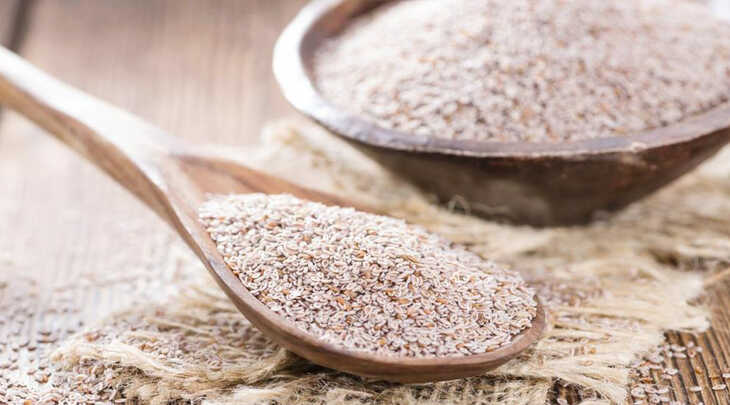
About 4.6% to 50.3% is the average rate of people who have high cholesterol across different states and regions in India. According to the Indian Heart Journal, high cholesterol is contributing significantly to the rising heart disease burden. One of the core causes of high cholesterol is daily dietary choices whose impact on the body accumulates over time and inflicts damage. To supplement the need to manage high cholesterol, natural add-ons are necessary alongside medications. One such ingredient is psyllium husk, which is used as a high-fibre supplement to address certain health conditions. Psyllium husk is the covering of whole seeds of several plants that belong to the genus Plantago. The abundant fibre content in psyllium husk makes it better for people who have high cholesterol in their blood reports.
Why Gastroenterologists Recommend Psyllium Husk For Cholesterol
To get an in-depth perspective on exactly how psyllium husk helps with reducing high cholesterol, NDTV spoke to Dr GS Sameer Kumar, Medical Gastroenterologist, Gleneagles Hospitals, Lakdi-ka-pul, Hyderabad (a part of the Fortis Healthcare Network), where he said, "Gastroenterologists often recommend adding about 20 grams of psyllium husk to the daily diet as a natural way to help manage cholesterol levels, and there's solid science behind this advice."
Dr GS Sameer Kumar explains exactly how consuming a particular quantity of psyllium husk can help people who have high cholesterol:
- "Psyllium husk is a type of soluble fibre derived from the seeds of the Plantago ovata plant. When mixed with water, it forms a gel-like substance that plays a key role in improving heart health.
- One of the main ways psyllium husk helps lower cholesterol is by binding to bile acids in the digestive system. Bile acids are made from cholesterol and are necessary for digesting fats.
- When psyllium binds to these acids, it prevents them from being reabsorbed into the bloodstream.
- As a result, the body is forced to use more circulating cholesterol to produce new bile acids, which gradually reduces overall LDL (low-density lipoprotein), often referred to as "bad" cholesterol.
- The high amount of soluble fibre in psyllium husk has the ability to help people with their gut functioning.
Also Read: What Is The Best Way To Eat Beetroot For High Blood Pressure?
How Psyllium Husk Helps Lower "Bad" LDL Cholesterol
NDTV also spoke to Dr Rinkesh Kumar Bansal, Director - Gastroenterology, Fortis Hospital Gurgaon, who simply explains the mechanism behind how psyllium husk helps lower bad cholesterol. He explains, "Psyllium husk is a type of soluble fibre derived from the seeds of the Plantago ovata plant. When mixed with water, it forms a gel-like substance that plays a key role in improving heart health."
- Dr Rinkesh Kumar Bansal said, "One of the main ways psyllium husk helps lower cholesterol is by binding to bile acids in the digestive system. Bile acids are made from cholesterol and are necessary for digesting fats."
- "When psyllium binds to these acids, it prevents them from being reabsorbed into the bloodstream.
- As a result, the body is forced to use more circulating cholesterol to produce new bile acids, which gradually reduces overall LDL (low-density lipoprotein), often referred to as "bad" cholesterol.
- Another benefit lies in psyllium's ability to slow digestion. This helps regulate blood sugar levels and reduces spikes in insulin, which is also linked to better cholesterol balance.
- Additionally, because it promotes a feeling of fullness, psyllium may support weight management, an important factor in controlling cholesterol and overall cardiovascular risk."
Also Read: How To Lose Weight Without Losing Muscles: A Guide For Beginners
The Right Dose: Why 20 Grams A Day Matters
Dr GS Sameer Kumar explains, "Experts suggest that taking around 20 grams per day can help lower 'bad' LDL cholesterol."
When mixed with water, psyllium forms a gel-like substance in the gut.
This helps trap bile acids, which are made from cholesterol, and removes them from the body.
As a result, the liver uses more cholesterol from the blood, helping reduce overall levels.
Clinical evidence in the Current Nutrition Reports highlights that psyllium husk can be used as supplementary therapy in managing body weight, hypercholesterolaemia, type 2 diabetes, and gut health.
It is generally considered safe; careful consideration of dosage and hydration is necessary to minimise adverse effects.
Safety note: Not a substitute for statins in high-risk patients
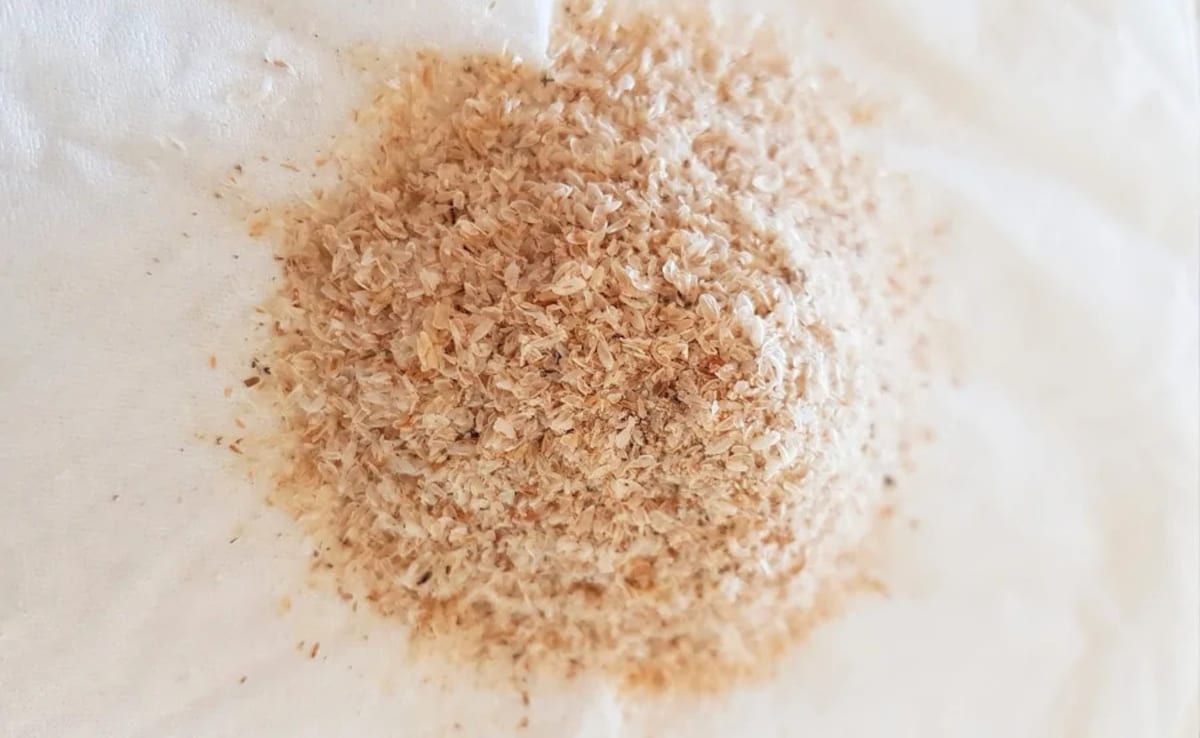
Psyllium husk is beneficial for people who have high cholesterol
Photo Credit: Google/ creative common license
Added Benefits For Digestion And Gut Health
According to the research published in the Journal of Food, which highlights psyllium husk, it has the following benefits when it comes to digestion and gut health:
- Improves bowel regularity, which is necessary for proper cyclic functioning of the gut and nutrient absorption.
- Relieves constipation as it can offer a buffer to the stomach with its high fibre content.
- Supports gut microbiome health as it supplies the gut with beneficial bacterial strains for its healthy gut microbiota.
How To Take Psyllium Husk Safely
Dr GS Sameer Kumar says, "Doctors recommend starting with a smaller dose and increasing gradually to avoid bloating or discomfort." Here is what he advises for better safety when it comes to consuming psyllium husk:
He says, "It is important to drink plenty of water while taking psyllium."
Note: Dr Kumar also wants to say, "While it is not a replacement for medicines in high-risk patients, psyllium is a safe, affordable, and effective addition to a healthy lifestyle." Dr Rinkesh Kumar Bansal also says the same.
Who Should Be Careful With Psyllium Husk
Psyllium husk should not be consumed mindlessly; the approach you take matters. Here are some ways to ensure safe consumption of psyllium husk:
- People on multiple medications should be careful, as their gut microbiota can change and react differently when a natural high-fibre functional food such as psyllium husk is introduced.
- Those with swallowing difficulties need to be careful, as it can lead to issues with how psyllium husk needs more hydration to be digested properly in the gut.
- Chronic gut conditions require a careful approach and only under medical professional advice and careful monitoring, as the gut is already functioning at a reduced capacity.
Note: People before trying psyllium husk over the counter for high cholesterol need to consult a doctor before daily use to ensure safety and avoid potential side effects that may occur.
Can Psyllium Husk Replace Cholesterol Medication?
Psyllium husk is a natural supplementary aid, and it can't replace cholesterol medication that is only prescribed to tackle the health condition or disease.
- It is not a replacement for medicines in high-risk individuals.
- Works best with certain foods and under certain conditions:
- Low saturated fat diets can improve psyllium husk's ability to help the gut and improve cholesterol as a byproduct.
- Daily physical activity can improve the absorption of psyllium husk when it is consumed in controlled doses.
- Weight management can improve psyllium husk absorption quality.
Psyllium husk is a natural dietary addition that can be easily accessed in its available form. But its use should be informed and supervised for a safer experience with psyllium husk, especially for those with high cholesterol.
Disclaimer: This content, including advice, provides generic information only. It is in no way a substitute for a qualified medical opinion. Always consult a specialist or your own doctor for more information. NDTV does not claim responsibility for this information.