NTR, MGR, Jayalalithaa, Rajinikanth, Pawan Kalyan - Vijay, Respectfully, Is None Of Them
Vijay is unlike anything Tamil Nadu has ever seen. Comparing him to other star-turned-politicians is tempting, but unfair.
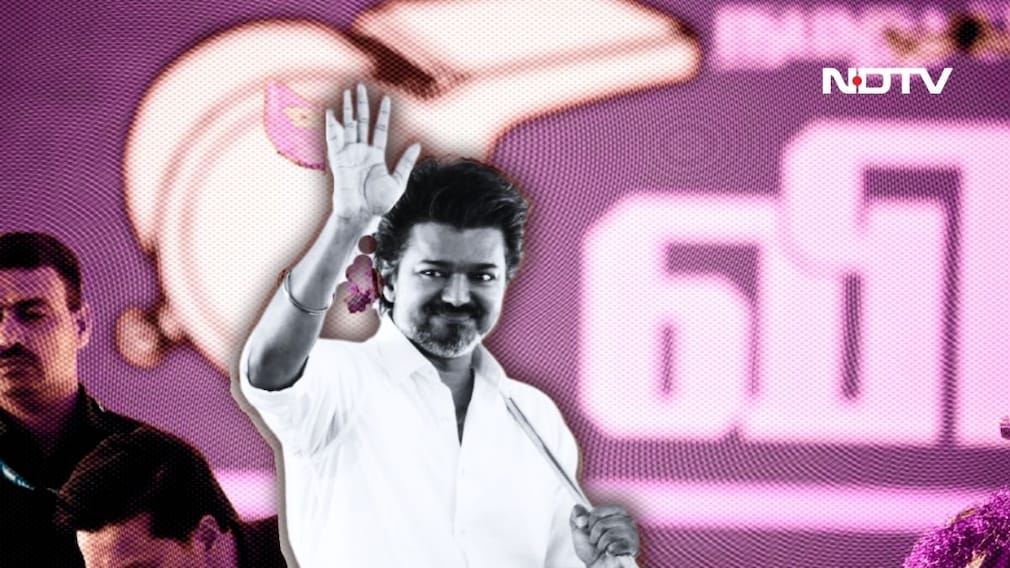
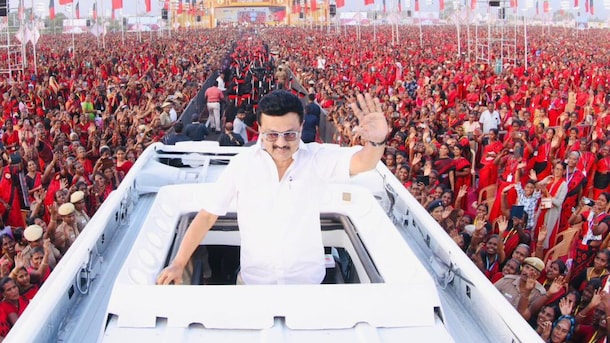
Irrespective of the exit polls, the most popular question in Tamil Nadu this election season is: will Vijay rewrite the state's political history? In fact, at the end of polling day, virtually every strategist from every political party conceded that, for a new entrant, Vijay and his Tamilaga Vettri Kazhagam (TVK) will garner a historic vote share. Every exit poll has predicted a double-digit vote share, and all but one - the Praja poll - have estimated seat tallies for Vijay. The range of seat predictions varies too widely to reconcile, the lowest being in single digits, while another (the Axis-My India poll) estimating a high end of 120 seats, giving it a simple majority (with a projected range of 98-120).
Based on both ground reports and exit polls, it is clear that Vijay's political debut will be groundbreaking. Whether it will be groundbreaking enough to capture power or force a hung assembly is now the question.
An Unprecedented Moment
Let's look beyond exit polls and unpredictable results. Comparisons are being thrown around in the newsrooms of Noida, mentioning NTR, MGR, Jayalalithaa, and Vijayakanth. Everyone is trying to find a precedent for what we are witnessing, but that is a futile exercise. Both the political landscape and the DNA of the "Vijay frenzy" are extremely different from anything we have seen in Indian politics so far.
In terms of success, NTR may, superficially, seem like the star who entered and swept a state - Andhra Pradesh, 1983 - within a year of launching his party. But his entry was made possible by an enormous anti-Congress sentiment and wounded Telugu pride following the dismissal of T Anjaiah in 1982 - as also by a strong consolidation of the Kamma and Kapu castes against the Congress's Reddy domination. In many ways, NTR was the face of caste assertion and regional linguistic pride in a state that had been, until then, unipolar under the Congress. For India largely, this was also an era defined by the growth of Janata party splinters and regional movements challenging Congress hegemony.
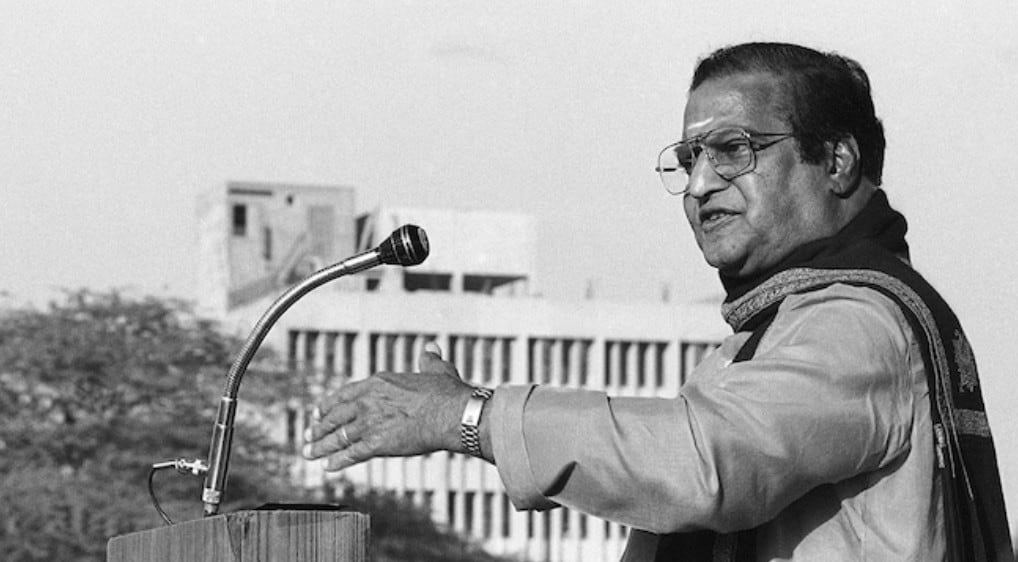
NT Rama Rao
Vijay's entry today occurs in an entirely different political environment. He is not fighting a national party; he is in a triangular contest with two entrenched regional parties. His vote has no specific caste base; instead, it is an age demographic that is driving him. Furthermore, his politics is a direct consequence of his film personality. There are no ideological or political themes he has previously espoused. It is an instant "star-to-politics" story.
The Gen Z Factor
In a 'Gen Z' world, he is the answer to political fatigue - a yearning for the overthrow of the past by democratic means. This is the coming-of-age story of the politics of memes, reels, Instagram, and social media. And all of this is happening without any prior demonstration of political, administrative, or ideological experience. It is a typical movie-style success story, come to life.
The comparison to MGR, Jayalalithaa, Vijayakanth, or even Pawan Kalyan is, therefore, absurd.
MGR was a DMK leader and party treasurer who worked under founders CN Annadurai and then M Karunanidhi, before parting ways to form his own party. He was one of the faces of Dravidian politics long before he launched the AIADMK, allied with Indira Gandhi's Congress post-Emergency and wrested power.
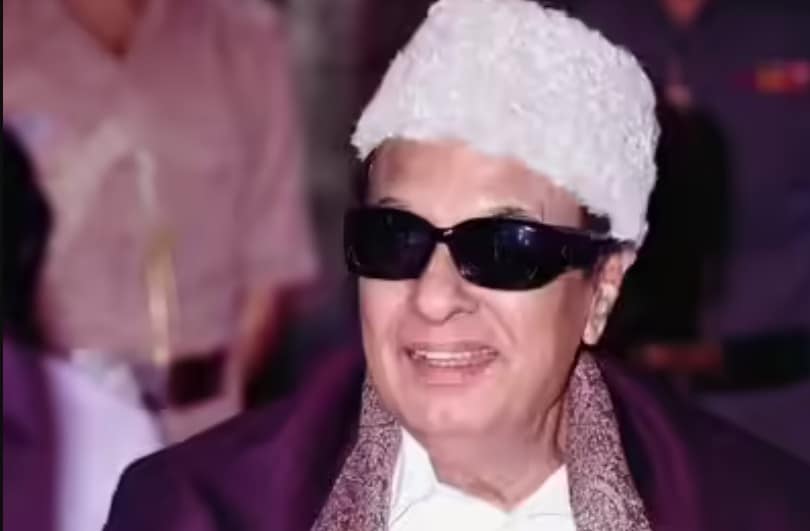
MG Ramachandran
In Jayalalithaa'a case, she worked closely with MGR both in films and politics, fought a bitter succession battle after his demise, united a defeated party, and allied with the Congress to sweep the elections in the aftermath of the Rajiv Gandhi assassination.
It is simplistic to view Jayalalithaa and MGR as just stars who entered politics and ruled. Both had been baptised in politics, ideology, and electoral battles much before they emerged as faces of change. Even a superficial study of their careers shows that it wasn't mere stardom that led to their success, but rather their political acumen, the alliances they stitched, and the battles they fought. They are proof that Tamil politics is not simply "star-struck" but rather responds to politically experienced stars who build their movements brick by brick.
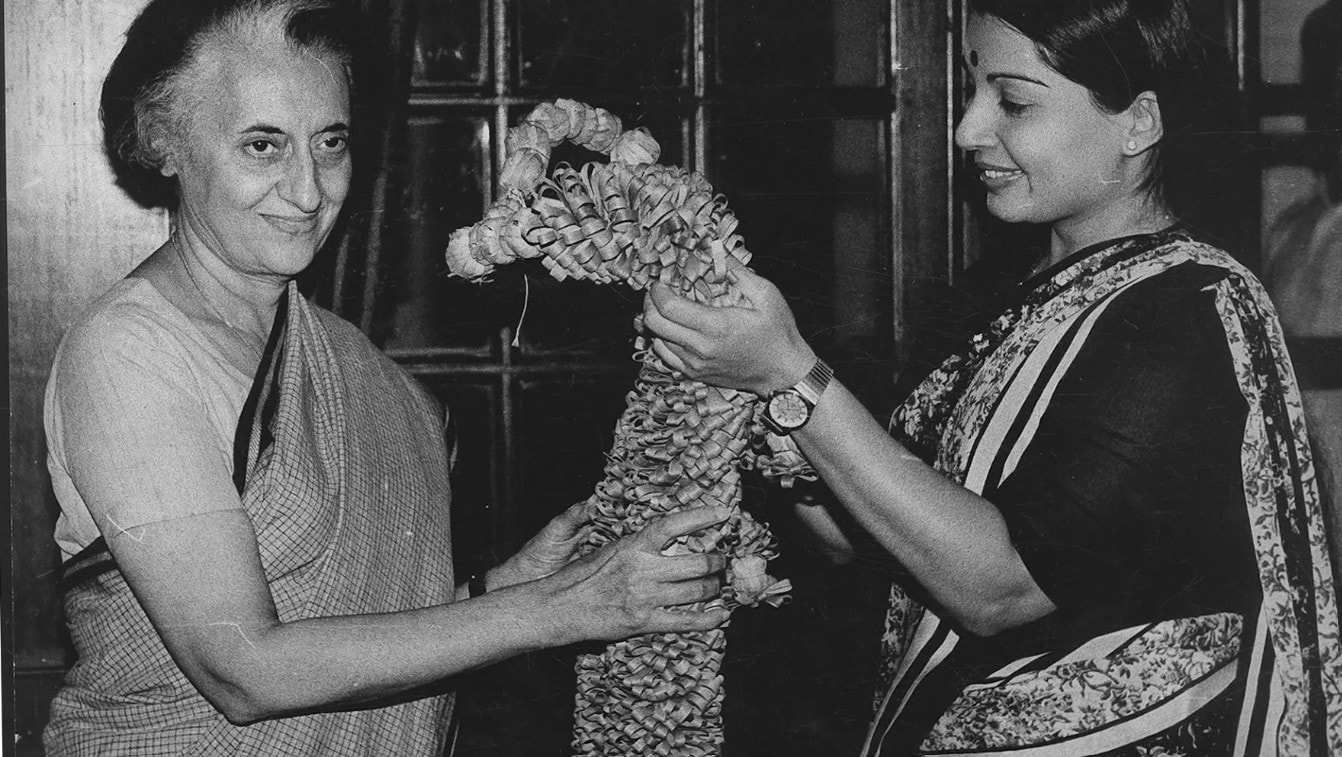
Jayalalithaa with Indira Gandhi
Different Beginnings
Vijayakanth had both a caste base and a strong presence as the president of the South Indian Artists' Association before his 2006 launch. His impact was akin to that of a "third force" in an era dominated by Jayalalithaa and Karunanidhi.
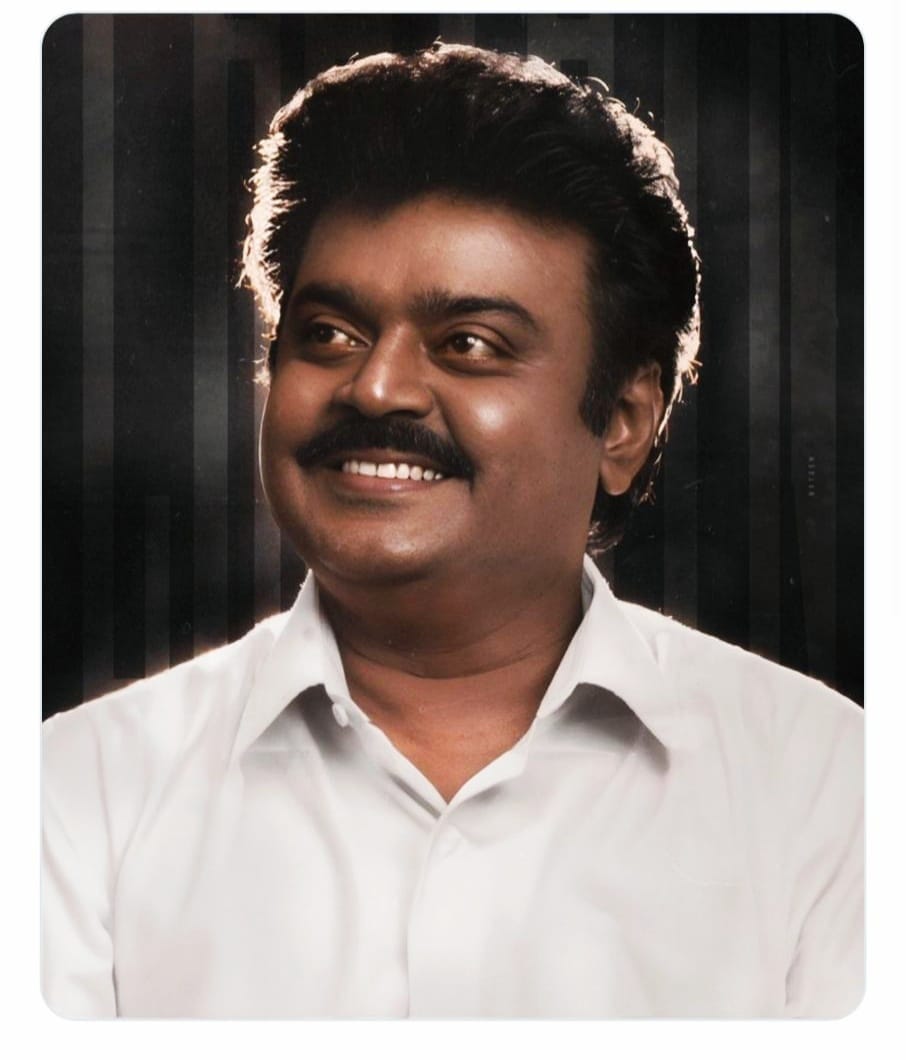
Vijayakanth
Pawan Kalyan's stardom was backed by the Kapu vote and a TDP alliance that helped him mature into a significant force. His brother, Chiranjeevi, arguably a bigger star, secured a 16% vote share in 2009 but eventually receded from politics, paving the way for Kalyan.
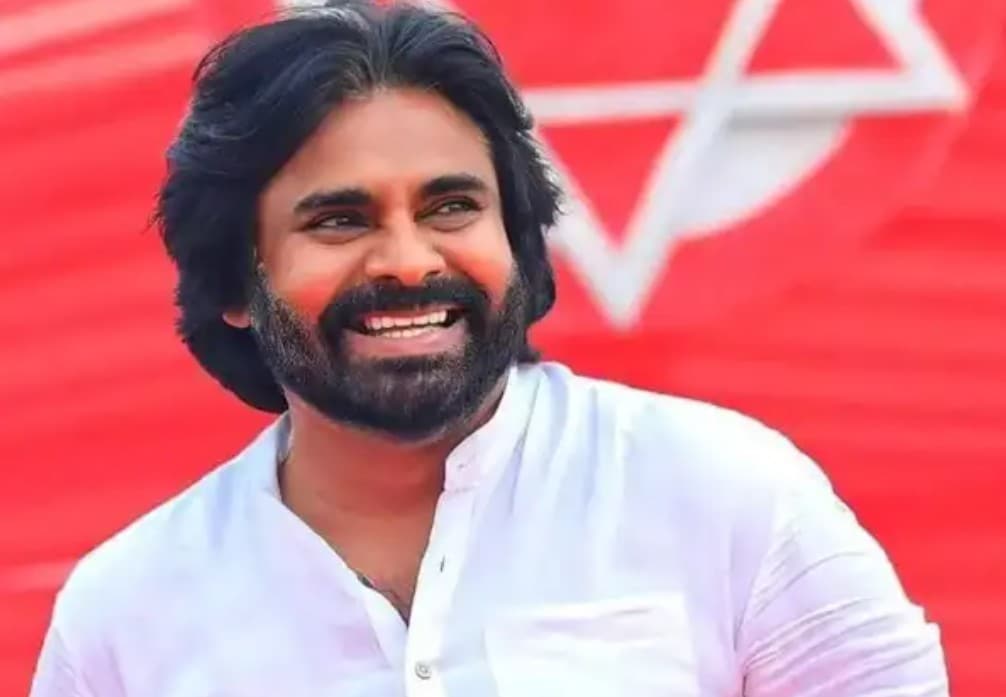
Pawan Kalyan
Vijay, in contrast, fits into none of these patterns. But this isn't just about exit polls; most observers will be surprised if Vijay gets less than 25% of the vote in this debut election - one he has entered with no prior electoral attempts and without a single established ally.
Vijay Is None Of Them
This is why he is unprecedented. He reflects both the power of his fan following and a deep yearning for change in the state. Drawing parallels to past film stars who transitioned into politics is unfair to both them and Vijay. If he does well enough to win the state, he is Tamil Nadu's very own Gen Z moment. If he wins a significant vote share but not enough seats, he remains proof that a movement for change is a decisive reality.
Finally, another viral question: did Rajinikanth miss his chance to be the face of change? His prime came in the Karunanidhi versus Jayalalithaa era. The late 1990s, the "Padayappa" days, were his best chance. But circumstances were different, and he may not have been able to break the "Two Leaves" and "Rising Sun" symbols under such strong personalities. He was well past his prime when he finally announced a reluctant political entry in 2017.
Vijay, by contrast, is both young and at the peak of his career. Rajinikanth made a considered choice given his circumstances; Vijay is making a brave foray at his zenith. Once again, comparisons are simply untenable and, arguably, unfair.
-
MK Stalin: The Boy From Chennai's Marina Beach

From a naming ceremony on Chennai's Marina Beach in 1953 to Tamil Nadu Chief Minister - this is the story of Muthuvel Karunanidhi Stalin, the DMK, and the 2026 election.
-
Opinion | 35 US Lawmakers Just Moved A Bill That Could Upend Indian Techies' Careers
For years, Indian students going to America have followed a set path: F-1 student visa, then OPT, and later an H-1B visa. That may soon be off the table, thanks to a group of American lawmakers.
-
Opinion | Iran May Be Doing With Its Nukes What Another 'Rogue' Regime Did 20 Years Ago
A rogue state got away with its nuclear weapons programme decades ago, defying all sanctions. Iran may be going down the same path.
-
UAE Quits OPEC: What It Means For India's Oil Prices, Fuel Bills
Being able to deal with the UAE as a separate seller should give India the chance to re-adjust risk levels and pricing, particularly if some volume of crude is routed via overland pipelines to bypass the Hormuz blockade.
-
Opinion | If Mamata Banerjee Wins Again, It Might Be Only Because Of One Particular Group
Anyone familiar with the recent political and electoral history of West Bengal knows that while the BJP has done extremely well in north Bengal, it has so far failed to breach the Mamata citadel of south Bengal.
-
Opinion | Pak Is Finally Back In Middle East's 'Good Books'. But Can It Stay There?
This is both an enviable and challenging space to be in for the only Islamic nation in the world that has nuclear weapons.
-
Opinion | Can Saudi Arabia, Now Alone At The Top, Manage To Keep Oil Stable?
With the UAE's exit, Saudi Arabia will remain the only swing producer in the cartel to deal with market shocks. Can it fulfil that role alone?
-
Opinion | UAE Can Now Easily Meet An Old American 'Demand'. But There's A Casualty: Saudi
For years, the US had been pressing the Gulf states over low oil prices. One country can make that possible now.
-
Opinion | To Understand UAE's OPEC Exit, Go Back In Time - To A Leaked 'Cable'
The Arab world's rules and its political Islam never really sat right with the UAE. Everything it has done politically has been shaped by that.