

)
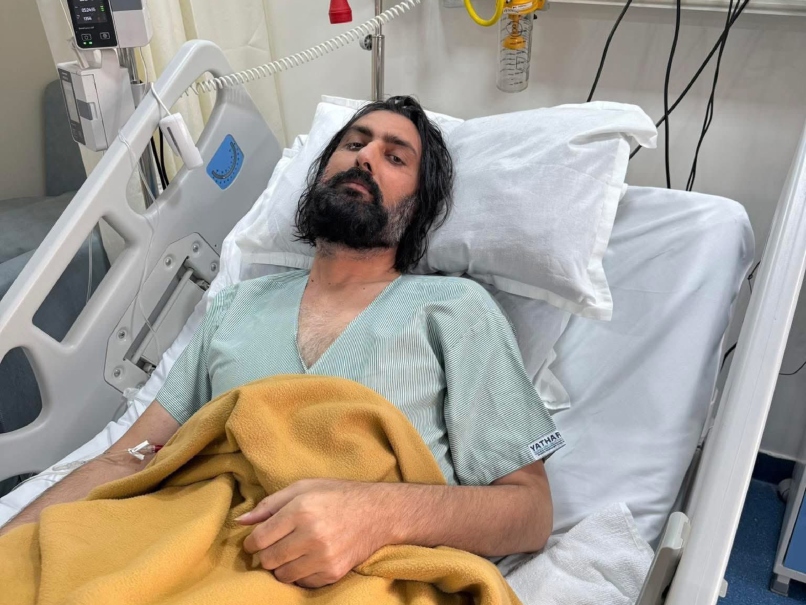
Shapoor Zadran, former Afghanistan fast bowler, has died at the age of 38. Zadran was diagnosed with a rare and life-threatening condition Hemophagocytic Lymphohistiocytosis (HLH). The Afghanistan Cricket Board shared the news on X. In the statement, ACB wrote, "With profound grief and deep sorrow, the Afghanistan Cricket Board mourns the passing of former Afghanistan fast bowler Shapoor Zadran."
It further said, "Shapoor Zadran was one of the foundation-laying figures of Afghanistan cricket, whose dedication, passion, and unwavering commitment played a vital role in the rise and development of the game in our country. He was among the proud cricketers who stood at the heart of Afghanistan's early cricket journey and helped build the path that brought Afghan cricket to the international stage."
إِنَّا لِلّهِ وَإِنَّـا إِلَيْهِ رَاجِعُونَ
— Afghanistan Cricket Board (@ACBofficials) July 7, 2026
With profound grief and deep sorrow, the Afghanistan Cricket Board mourns the passing of former Afghanistan fast bowler Shapoor Zadran.
Shapoor Zadran was one of the foundation-laying figures of Afghanistan cricket, whose dedication,… pic.twitter.com/iPIAJ6HLkq
What Is Hemophagocytic Lymphohistiocytosis (HLH)?
Hemophagocytic Lymphohistiocytosis (HLH) is a rare but serious condition in which the body's immune system becomes overactive. Instead of protecting the body from infections, the immune system starts attacking healthy tissues and organs. This causes severe inflammation that can affect the liver, spleen, bone marrow, brain, and other parts of the body.
HLH can develop in both children and adults, and early diagnosis and treatment are very important. The condition can become life-threatening if left untreated.
What Causes HLH?
HLH can occur for different reasons. It is mainly divided into two types:
Primary (Familial) HLH: This type is caused by genetic changes passed down from parents. It usually appears during infancy or early childhood, although it can sometimes develop later in life.
Secondary (Acquired) HLH: This type develops due to medical conditions that trigger the immune system. Common triggers include:
- Viral infections such as Epstein-Barr virus (EBV) or cytomegalovirus (CMV)
- Certain bacterial, fungal, or parasitic infections
- Autoimmune diseases like lupus or rheumatoid arthritis
- Blood cancers such as lymphoma or leukemia
- A weakened immune system due to certain medications or medical conditions
Common Symptoms Of HLH
The symptoms of HLH often resemble those of severe infections, making it difficult to diagnose in the early stages. Symptoms may include:
- Persistent high fever
- Extreme tiredness and weakness
- Enlarged liver and spleen
- Swollen lymph nodes
- Skin rash
- Easy bruising or bleeding
- Pale skin due to anemia
- Low blood cell counts
- Yellowing of the skin or eyes (jaundice)
- Confusion, seizures, or other neurological symptoms in severe cases
Since these symptoms can also occur in many other illnesses, medical evaluation is very important.
How Is HLH Diagnosed?
Diagnosing HLH can be challenging because no single test can confirm the condition. Doctors usually consider a combination of symptoms, physical examination, and laboratory findings.
Common diagnostic tests include:
- Blood tests to check blood cell counts
- Ferritin level test, which is often extremely high in HLH
- Liver function tests
- Triglyceride and fibrinogen tests
- Bone marrow examination to look for immune cells attacking blood cells
- Genetic testing if inherited HLH is suspected
- Imaging tests such as ultrasound or CT scans to detect enlarged organs
Doctors may also perform additional tests to identify infections, autoimmune diseases, or cancers that could have triggered HLH.
Treatment Options For HLH
Treatment aims to calm the overactive immune system and manage the underlying cause. Common treatment options include:
- Corticosteroids to reduce inflammation
- Chemotherapy medicines to suppress immune activity
- Immunotherapy drugs that target abnormal immune responses
- Antibiotics, antiviral, or antifungal medicines if an infection is responsible
- Treatment for underlying cancer or autoimmune disease
- Blood transfusions if blood cell counts become very low
- Stem cell (bone marrow) transplantation for inherited HLH or cases that do not respond well to initial treatment
Can HLH Be Prevented?
Inherited HLH cannot be prevented because it is caused by genetic changes. However, genetic counseling may help families with a history of the condition understand their risks.
Secondary HLH cannot always be prevented either, but early diagnosis and proper treatment of infections, autoimmune diseases, and cancers may reduce the risk of developing this immune complication.
Disclaimer: This content including advice provides generic information only. It is in no way a substitute for a qualified medical opinion. Always consult a specialist or your own doctor for more information. NDTV does not claim responsibility for this information.