





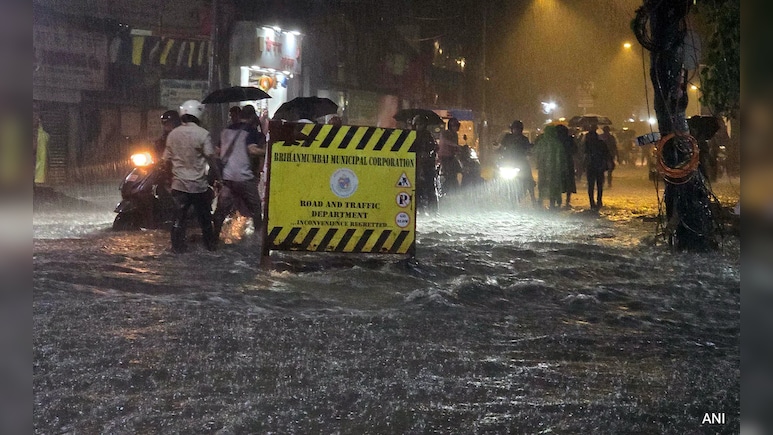
Mumbai's chronic monsoon waterlogging is a self-created crisis caused by citizens grabbing land, clogging drains, and misusing public infrastructure, the Bombay High Court has said. A division bench of acting Chief Justice Ravindra V Ghuge and Justice Gautam Ankhad remarked that the city is "destined" to see waterlogged roads because people block gutters with waste, turn paved areas into illegal parking spots, and crowd footpaths with food stalls.
Expressing sharp displeasure, Acting Chief Justice Ghuge noted that even the footpaths outside the High Court are occupied by illegal shops. "Our habit is to rob our own motherland. We grab land illegally, and then look for law books only when demolition notices arrive," he said.
In a related civic matter, the High Court issued a formal notice to the Department of Atomic Energy regarding a road-widening project in Mandala village along the Sion-Trombay stretch.
Representing the Brihanmumbai Municipal Corporation, senior advocate Milind Sathe informed the court that the civic body has already cleared encroachments and felled 192 trees to maintain the existing 30-foot road.
The BMC said it is ready to widen the stretch to 50 feet if the DAE -- which oversees the nearby Bhabha Atomic Research Centre -- hands over the remaining 20 feet of encroachment-free land, hinting that BARC currently seems reluctant to proceed.
The High Court observed that the DAE needs to make a definitive decision on the land transfer and has scheduled the matter for a follow-up hearing later this month.
Track Latest News Live on NDTV.com and get news updates from India and around the world

