

)
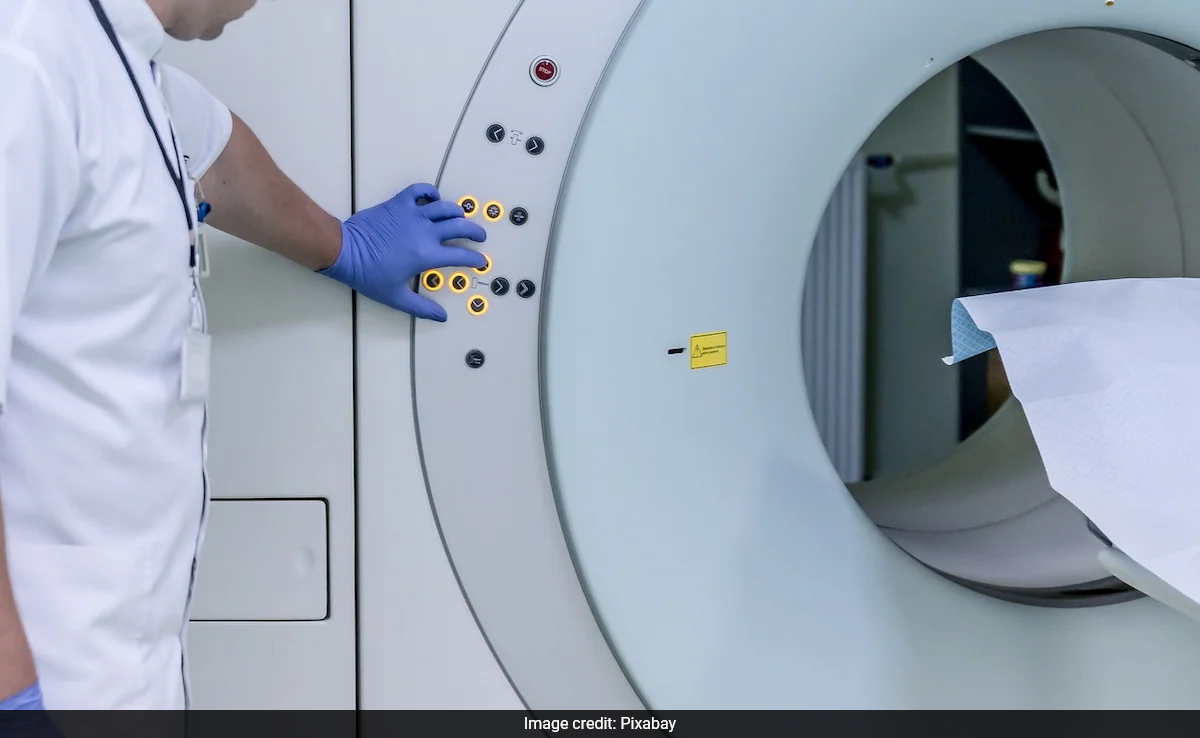
A MRI-guided cryoablation system has been introduced in Sydney's south-west is a state-of-the-art technology, which offers patients with certain tumours a less invasive alternative to conventional surgery. This technology allows doctors to freeze and destroy tumours with pinpoint precision, significantly reducing recovery times and post-operative pain. Cryoablation is a procedure that uses extreme colds to eliminate abnormal tissue. Guided by real-time MRI imaging, specialists insert a slim, gas-powered probe directly into the tumour. The probe rapidly cools, creating a controlled ice ball that freezes and destroys cancerous or problematic cells while preserving surrounding healthy tissue. Unlike traditional open surgery, which may require large incisions, implants or lengthy hospital stays, cryoablation is minimally invasive. In many cases, patients can return home the same day. Clinicians say the integration of advanced imaging with treatment delivery ensures greater accuracy and improved safety.
Also read: Scientists Develop AI Model That Diagnoses Brain MRI Scans In Seconds With 97.5% Accuracy
Hospital specialists have described the MRI unit as the first of its kind in Australia, capable of treating tumours in the spine as well as in soft tissues such as the liver and kidneys. The system provides doctors with a detailed, live view of the treatment area, enabling them to monitor the freezing process closely and adjust as needed.
A patient's remarkable recovery
Among the early beneficiaries of the technology was 64-year-old grandmother Josephine Cordina of Sydney. She had been living with severe pain caused by a nine-millimetre tumour on her spine. Simple daily activities, including sitting and lying down, had become almost unbearable. Initially, she was offered traditional spinal surgery, which would have involved removing the tumour and stabilising her spine with metal supports. Concerned about the risks and recovery associated with such a major procedure, she chose cryoablation instead.
The outcome was transformative. She reported waking up the next day without pain and described the relief as immediate and life-changing. Within a short period, she was able to resume normal activities without the constant discomfort that had previously dominated her life. Her experience underscores the potential benefits of minimally invasive tumour treatments, particularly for older patients or those apprehensive about undergoing complex surgery.
Part of a major hospital redevelopment
The introduction of this advanced technology is part of a broader redevelopment programme in the Australia. The facility is undergoing a near AU$1 billion expansion designed to meet the needs of one of the fastest-growing regions in south-west of Sydney.
Plans include the construction of a new dedicated cancer centre, expected to open in 2027. Health authorities say the redevelopment will significantly enhance specialist services, expand capacity and ensure residents of south-west Sydney have access to world-class medical care close to home. By providing a faster and less invasive treatment option, the new system not only benefits individual patients but also strengthens the efficiency of the wider health service. Officials believe such investments are essential as demand for cancer and specialist care continues to grow.
Also read: PM-JAY Boost Access To Complex Spine Surgeries, Reduce Out-Of-Pocket Costs: Study
Shaping the future of tumour treatment
Cryoablation reflects a broader global shift towards precision medicine and minimally invasive therapies. Techniques that destroy tumours using cold, heat or focused energy are increasingly viewed as effective alternatives to open surgery in selected cases. At , clinicians are optimistic that the new MRI-guided system will pave the way for more targeted, patient-focused treatment strategies. The ability to visualise and treat tumours simultaneously marks a significant step forward in oncology care. For patients like Josephine Cordina, the technology represents more than medical advancement; it offers renewed quality of life.
Disclaimer: This content including advice provides generic information only. It is in no way a substitute for a qualified medical opinion. Always consult a specialist or your own doctor for more information. NDTV does not claim responsibility for this information.