

)
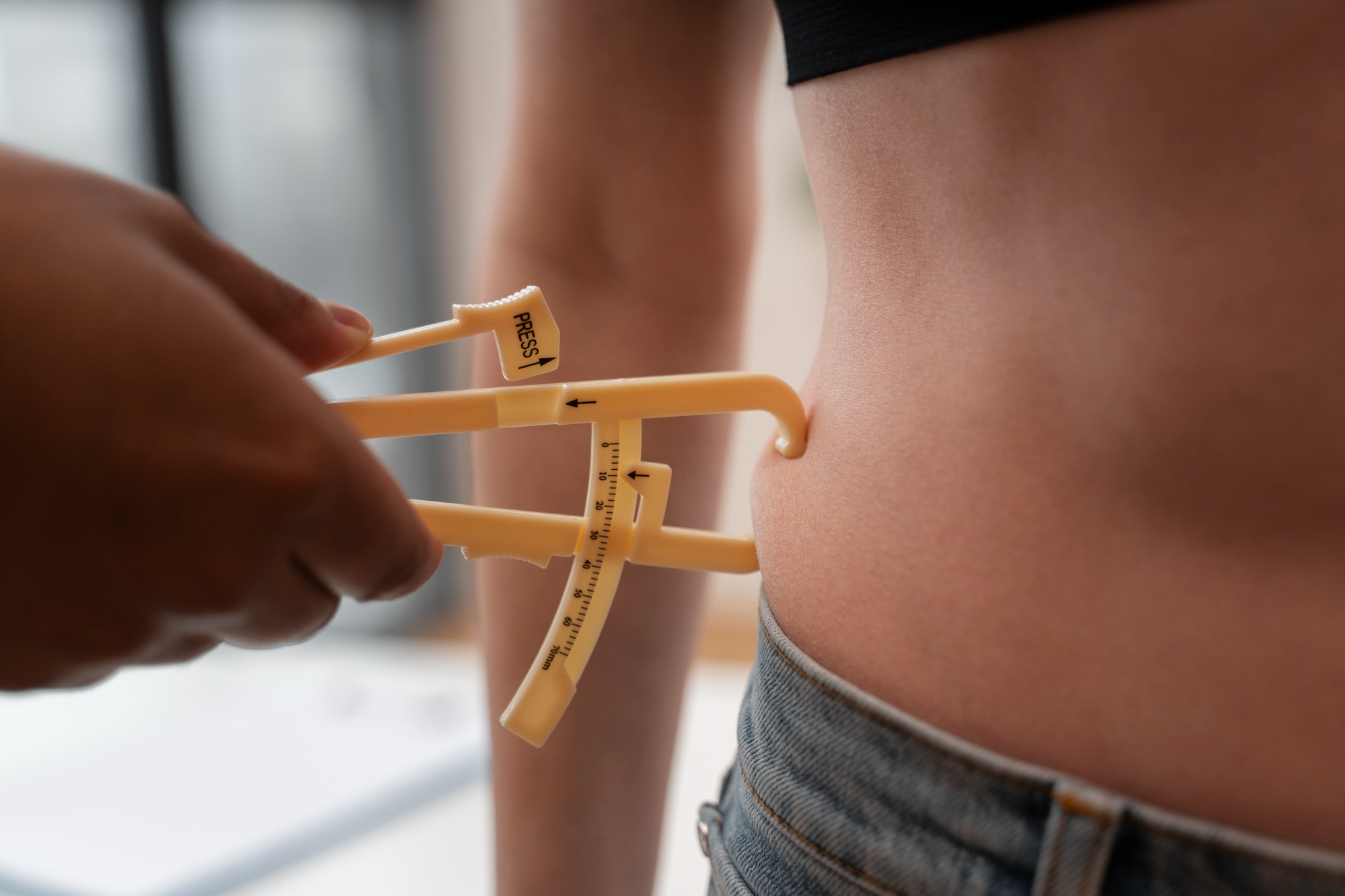
If you have a weighing scale at home, then set it aside for a moment. If you've been obsessing over your Body Mass Index (BMI), science has some news that might make you rethink your fitness goals. It turns out that the number on the scale isn't the one your brain cares about. A groundbreaking study in the Journal of Alzhiemers's Association has revealed that the muscle-to-fat ratio as a direct reflection of your brain health. Specifically, having more muscle and less hidden belly fat (visceral fat) is the secret to a biologically younger brain. And this study matters for Indians because, according to the ICMR-NCDIR (National Centre for Disease Informatics and Research) and the Global Burden of Disease Study in the Lancet, neurological disorders account for over 10% of the total disease burden in India. So, understanding how the rate of muscle-to-fat ratio can impact your brain health is important to formulate tailored approaches for individuals, carers, and healthcare providers.
How Is Muscle Connected To The Brain?
For years, it has been known that exercise is good for the mind, as it releases endorphins. But this new research, led by Finnish researchers, takes it a step further. By analysing over 1260 healthy adults, out of which 28 were assigned to the control group, 583 met the inclusion criteria for this observational analysis. The study was performed using whole-body MRI; researchers found that people with higher muscle mass had brains that looked significantly younger on scans over the course of two years.
Conversely, those with high levels of visceral fat (the dangerous fat that wraps around your internal organs) relative to their muscle mass showed signs of accelerated brain ageing. This brain ageing is a major precursor to cognitive decline and serious brain conditions like Alzheimer's and dementia. These brain conditions normally affect the elderly population, but their ages are shrinking, signalling a rising health concern. Here is what they mean:
- Alzheimer's: A type of brain disease that slowly damages memory, thinking, and behaviour.
- Dementia: It is a general term for problems with memory, thinking, and decision-making that are strong enough to affect daily life.
A nationwide meta-analysis of 18 epidemiological studies found about 20 people per 1,000 population live with dementia in India.
Also Read: Can Wearables Really Detect Brain Health Problems? Neurologists Explain
Brain
Photo Credit: Freepik
Why Does Your Brain Love Muscles?
The function of the brain depends on the exact amount of muscle in your body. This is why it is advised to do some kind of physical exercise every day. The brain controls the body and its various functions; that is why having skeletal muscle is important, as it directly sends signals to the brain through its hormone secretion and the release of special proteins that help brain cells grow stronger connections, improve memory, and protect against ageing. Here are some additional ways to convince yourself to exercise, especially strength training, as your brain can become significantly younger as a result. Here is exactly how:
- Myokines: When you use your muscles, they release hope molecules called myokines, which cross the blood-brain barrier and stimulate the growth of new neurons.
- Inflammation Control: The highly visible yet hidden belly fat surrounding organs is metabolically active, producing inflammatory chemicals that can literally impair brain function. And muscle building can help neutralise this inflammation.
- Insulin Sensitivity: If you have better muscle mass, it can help improve how your body handles sugar, protecting the brain's delicate blood vessels from damage.
Why Is Sarcopenic Obesity On The Rise?
In India, this study hits close to home as a silent epidemic of sarcopenic obesity, a condition where a person may have a normal weight but possess very low muscle mass and high body fat, prevails. The ICMR-INDIAB-23 national study found a high prevalence of metabolic obesity across India, meaning many individuals have obesity-related metabolic risks even if their BMI is not very high.
In addition, the Indian Council of Medical Research (ICMR) and recent studies in major Indian metros also found that nearly 20-30% of urban Indians over 40 suffer from low muscle strength. There are limitations in proper nutritional intake, as ultra-processed diets and sedentary lifestyles often lead to "TOFI" (Thin on the Outside, Fat on the Inside).
Research using the ICMR-MUDRA Toolbox (a specialised tool for assessing dementia in Indians) has shown that body measurements like mid-upper arm circumference, a proxy for muscle mass, are positively linked to better memory and attention spans in the elderly population. In short, for the Indian body type, muscle is a protective shield against serious brain health conditions like dementia, whose prevalence is soaring.
Also Read: Your Body Clock Affects Long-Term Brain Health And Influences Dementia Risk: Study
Why Does This Matter to Indians?
In the world of medical research, the Indian phenotype refers to a specific body composition where individuals have a higher percentage of body fat and lower muscle mass compared to other ethnicities, even at a lower BMI. This is often referred to as the 'thin-fat' body type in India.
For an Indian woman, a normal weight on the scale can be deceptive; she may carry excess visceral fat around the abdomen, the very type of fat that this study links to brain shrinkage, while lacking the protective skeletal muscle in her limbs. The carb-heavy diets, which often lack high-quality protein, further exacerbate this 'muscle hunger'.
By shifting the focus from losing weight to building strength, you aren't just fitting into smaller clothes; you are actively fighting a genetic predisposition toward metabolic and cognitive decline. You don't necessarily need an expensive MRI to understand where you stand. While the study used medical imaging, you can look for these signs:
- The Waist-to-Hip Ratio: If your waist is significantly wider than your hips, you likely have high visceral fat.
- Grip Strength: Can you easily open a tight jar? The ICMR recommends a handgrip strength of at least 27.5 kg for men and 18.0 kg for women as a baseline for muscle health.
- The Chair Stand Test: Can you stand up from a chair without using your hands? If not, your muscle-to-fat ratio might be tilting in the wrong direction.
Weight loss shouldn't be your only goal; it should be body recomposition because losing fat while preserving or building muscle is what matters. Especially for your long-term cognitive health, you should be lifting weights, practising resistance-based yoga, or ensuring you hit your protein goals with dal, paneer, or eggs; your brain will thank you for the extra muscle decades down the line.
Disclaimer: This content, including advice, provides generic information only. It is in no way a substitute for a qualified medical opinion. Always consult a specialist or your own doctor for more information. NDTV does not claim responsibility for this information.