

)
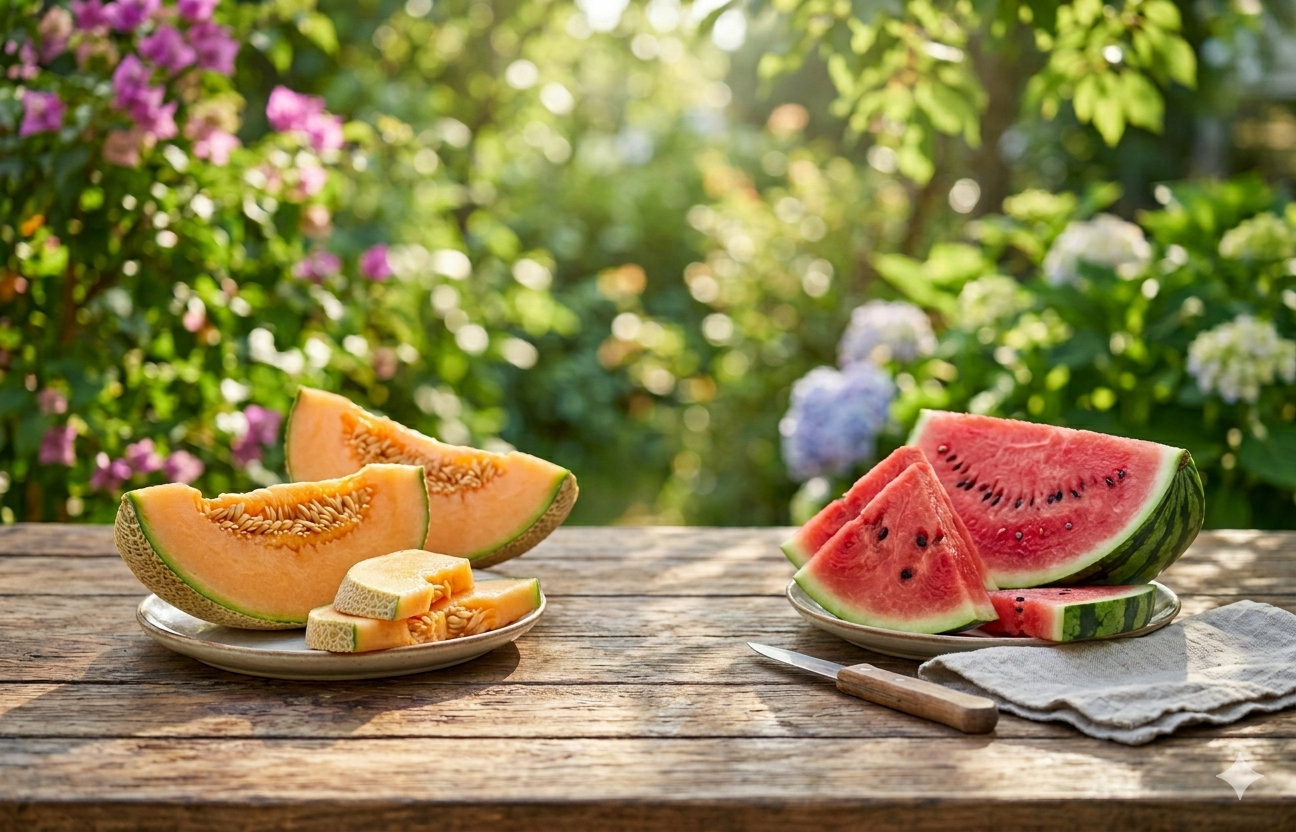
As the Indian summer season begins, so does the body instinctively crave relief. Retreating into the shade and increasing fluid intake are common responses, but the most significant shift occurs in the kitchen. To regulate the body's temperature, seasonal eating is a survival mechanism honed over generations rather than a passing trend. Among the vibrant range of summer produce, two fruits are the most popular options to beat the summer heat: the refreshing watermelon (tarbooz) and the fragrant muskmelon (kharbuja). Both are celebrated as hydration powerhouses, capable of dropping internal temperatures when the mercury hits 45°C. But as metabolic health and mindful nutrition become priorities, a question often arises during the midday snack break: Is one actually healthier than the other?
This analysis dives into the science and the stats of these summer staples to see which deserves a permanent spot in the refrigerator.
Nutritional Comparison Of Muskmelon And Watermelon
When it comes to two summer fruits, such as muskmelon and watermelon, their individual nutritional profiles make them beneficial. In order to judge which fruit is better than the other, you need to look at their individual nutritional profiles and their health benefits. To settle the debate, the raw data must be examined. Here is how these two melons stack up per 100g serving:
Watermelon Nutrition (Per 100g)
- Calories: 30 kcal
- Glycaemic Index (GI): 72–80 (High)
- Fibre: 0.4g
- Vitamin A: 569 IU
- Vitamin C: 8.1 mg
- Potassium: 112 mg
- Water Content: 91.4%
Muskmelon Nutrition (Per 100g)
- Calories: 34 kcal
- Glycaemic Index (GI): 65–70 (Medium)
- Fibre: 0.9g
- Vitamin A: 3382 IU (significantly higher for eye health)
- Vitamin C: 36.7 mg (Higher immunity boost)
- Potassium: 267 mg (Better for blood pressure management)
- Water Content: 90.2%
Also Read: Sugarcane vs. Watermelon Juice: Which Is Better For Cooling And Hydration?
Watermelon Is A Hydrator
If summer had a signature flavour, it would undoubtedly be a crisp, cold slice of watermelon. Summer fruit has the following health benefits:
- Unmatched hydration as it has a water content of nearly 92%, watermelon is essentially a biological thirst quencher.
- During peak Indian summers, when heat exhaustion and dehydration are genuine risks, watermelon provides the fluids and essential electrolytes needed to maintain cellular balance.
- Watermelon is one of the richest sources of lycopene, a powerful antioxidant that gives the fruit its deep red hue.
- Research published in Clinical Pharmacology and Biopharmaceutics suggests that lycopene helps protect the skin from UV-induced oxidative stress, acting like an internal layer of sun protection while also supporting cardiovascular health by reducing arterial stiffness.
- For those hitting the gym despite the heat, watermelon is a secret weapon. It contains L-citrulline, an amino acid that studies have shown can reduce muscle soreness and improve recovery time by enhancing blood flow.
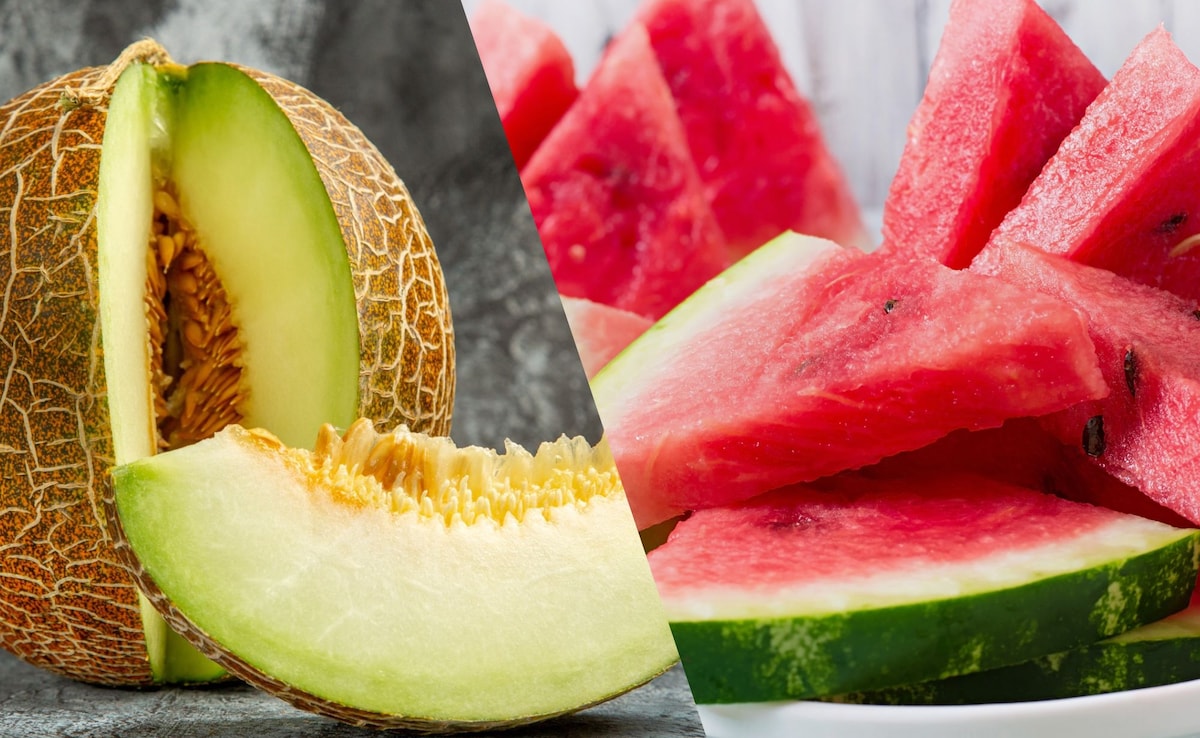
Muskmelon and watermelon
Photo Credit: Freepik
Muskmelon Is A Digestive Aid
While watermelon wins on water volume, muskmelon (cantaloupe) is the nutritional powerhouse for those seeking more substance in a fruit. Here are the digestive health benefits of muskmelon:
- Superior digestion and fibre, as it contains significantly more fibre than its red counterpart. This is crucial in summer when many suffer from "summer sluggishness" or constipation.
- The dietary fibre in muskmelon acts as a prebiotic, feeding beneficial gut bacteria and ensuring smooth digestion.
- Vision and skin health, as the vitamin A content in muskmelon dwarfs that of watermelon.
- Rich in beta-carotene, it is exceptional for maintaining eye health and promoting a natural summer glow by aiding skin cell turnover.
- Blood pressure management, as muskmelon is an excellent source of potassium.
- With a high potassium-to-sodium ratio, it acts as a natural vasodilator, helping to manage blood pressure levels, which can fluctuate during extreme heat.
Also Read: Okra Water vs Lauki Juice: Which Is Better For Managing Cholesterol?
Which Should Is Better For Weight Loss?
If weight management is the goal, the choice depends on specific dietary needs.
For calorie counting, you need to choose watermelon, which is slightly lower in calories, meaning a larger volume can be consumed for very few calories. However, its high GI (Glycaemic Index) means it can cause a quicker spike in blood sugar, potentially leading to hunger sooner.
For satiety (fullness), muskmelon is a better choice due to its higher fibre content and lower GI; it keeps the appetite satisfied for longer. If midday snacking or "sugar crashes" are a concern, muskmelon provides a more stable energy release.
Note: Avoid at night because of high water and natural sugar content; eating them at night can disrupt sleep due to frequent bathroom trips and may lead to water retention or "Kapha" imbalance, potentially causing a cough or cold.
In the battle of the melons, there is no loser. If a long commute in the sun has just ended and immediate cooling is required, reach for watermelon. It is the ultimate recovery tool for a heat-stressed body.
However, if a nutritious breakfast addition or a snack that supports gut and skin health is the priority, muskmelon is a better ally.
Nature provides both for a reason. By rotating these fruits, a diverse intake of antioxidants and vitamins is ensured. This summer, choose variety; the body will benefit from the balance.
Disclaimer: This content, including advice, provides generic information only. It is in no way a substitute for a qualified medical opinion. Always consult a specialist or your own doctor for more information. NDTV does not claim responsibility for this information.