

)
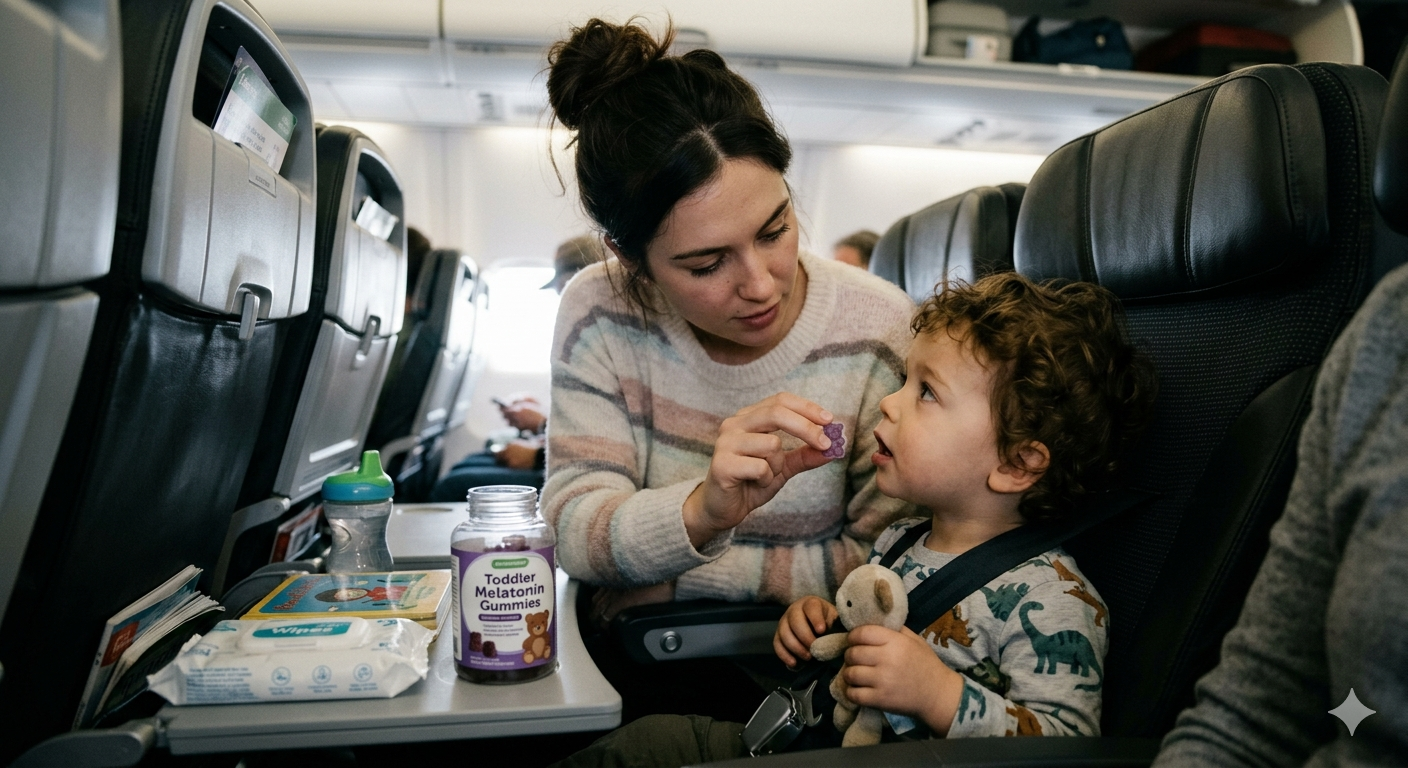
In a video going viral on social media, a mother can be seen giving melatonin to her toddler before a six-hour flight. She refers to the medication as a "lifesaver" for travellers. For the unversed, melatonin is a hormone that is produced naturally by the pineal gland in the brain, primarily responsible for regulating the sleep-wake cycle. However, it is commonly available as a supplement which is used to help manage sleep-related issues, such as insomnia, jet lag, and certain sleep disorders. While it can aid in reducing the time it takes to fall asleep and improve overall sleep quality, the question remains: Is melatonin really safe for toddlers?
Is melatonin safe for children?
The use of melatonin in toddlers and children is a topic of ongoing research and debate. Melatonin is generally considered safe for short-term use in toddlers when administered under medical supervision, but it is not recommended as a first-line solution for healthy, typically developing children under age 3. Melatonin is a hormone, experts caution that its long-term effects on a child's developing reproductive and endocrine systems are not yet fully understood.
"Melatonin is considered safe when used appropriately, at the correct dose for age, and in consultation with a healthcare provider. However, the evidence base for toddlers specifically is still limited. Even though evidence suggests that short-term use is relatively safe, more research is needed to understand long-term effects, particularly on growth and development," says Dr. Preeti Anand, Senior Consultant, Paediatrics at Max Smart Super Speciality Hospital, Saket.
"With very rare exceptions, melatonin should not be administered to typically developing children under 2 years of age. For toddlers above that age, a paediatrician must be consulted first for intermittent usage," warns Dr. Anand.
Potential side effects:
While often effective for resetting a sleep cycle, melatonin carries specific risks for young children:
1. Hormonal imbalance
Studies indicate that melatonin could affect puberty and natural hormone development, though more long-term research is needed.
2. Common side effects
Melatonin use can cause morning grogginess, increased bedwetting, vivid dreams, headaches, and dizziness in children.
3. Accidental overdose
Most pediatric melatonin looks and tastes like candy, leading to overconsumption.
4. Potential disruption of natural sleep patterns
Introducing melatonin supplements at a young age could potentially disrupt a child's natural sleep cycle and development.
Safety measures to follow:
Dr. Anand shared the following precautions to follow before giving any medication to children:
- Always consult your paediatrician first, especially for children under 3. An expert can provide guidance on appropriate dosing and potential risks.
- Never give a child a medication for the first time during a flight. Always try at home first. Observe how the child reacts in a safe, controlled environment first.
- Don't assume natural means safe, unlike prescription medications, melatonin and other supplements aren't regulated in the same way. Additionally, the purity and strength of melatonin can vary greatly between brands.
"Use only if non-pharmacological methods aren't working in special circumstances after consulting. Instead, bring comfort items, maintain the child's sleep routine, use window shades, and reduce screen time before the intended sleep window on the flight," Dr. Anand concludes.
In summary, while melatonin can be a helpful tool for managing sleep difficulties for some, its use in toddlers should be approached with caution and under professional guidance to ensure safety and appropriateness.
Disclaimer: This content including advice provides generic information only. It is in no way a substitute for a qualified medical opinion. Always consult a specialist or your own doctor for more information. NDTV does not claim responsibility for this information.