

)
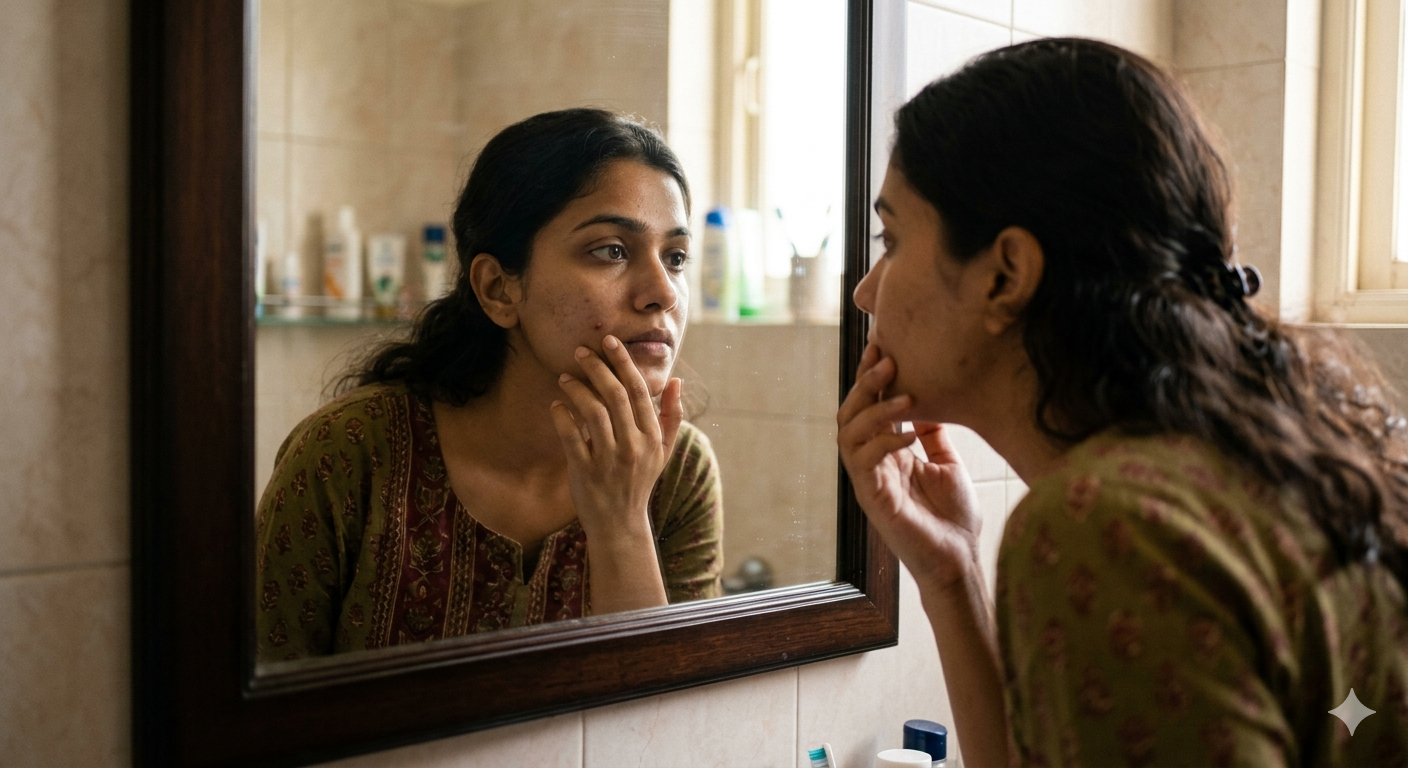
The arrival of the monsoon season brings relief from intense summer heat. However, the rainy season also creates conditions that can affect both skin and hair health. Increased humidity, frequent sweating, damp clothes, and exposure to rainwater often lead to various problems, including acne, fungal infections, dull skin, dandruff, and hair fall. According to Dr. Rashmi Sharma, Senior Consultant, Dermatology at Fortis Gurgaon, following a proper skincare and haircare routine during this season is important to keep these problems under control and maintain overall skin and scalp health.
Many people believe that skin needs less care during monsoon because the weather is cooler. In reality, excess moisture in the air can disturb the skin's natural balance and make existing issues worse. Similarly, hair may become frizzy, weak, and difficult to manage due to constant humidity. Simple daily habits such as cleansing properly, staying hydrated, eating nutritious foods, and maintaining personal hygiene can help in preventing seasonal problems and keeping skin and hair healthy throughout the rainy months.
Cleanse Skin Without Overdoing It
One of the most common skin concerns during monsoon is excess oil production. High humidity often makes the skin greasy, leading to clogged pores and acne breakouts. Dermatologists advise washing the face twice a day with a gentle, sulfate-free cleanser to remove dirt, sweat, and extra oil.
However, over-washing should be avoided. Cleansing too frequently can strip the skin of its natural oils, causing dryness and triggering even more oil production. Using mild products helps maintain the skin's natural barrier while keeping it fresh and clean.
Do Not Skip Sunscreen
Many people stop using sunscreen during cloudy weather, assuming that the sun is not strong enough to damage the skin. This is a common mistake. Harmful ultraviolet (UV) rays can penetrate clouds and continue to affect the skin even on rainy days.
Applying a broad-spectrum sunscreen with SPF 30 or higher every day is essential. Sunscreen protects against tanning, premature ageing, and sun damage. Choose lightweight, non-greasy formulas that feel comfortable on the skin during humid weather.
Stay Hydrated And Moisturised
Although the weather feels cooler during monsoon, hydration remains extremely important. Drinking enough water supports the body's natural detoxification process and helps maintain healthy, glowing skin.
Moisturising is equally necessary. Many people avoid moisturisers during humid months, fearing that they will make the skin oily. Experts recommend using lightweight, non-comedogenic moisturisers that hydrate the skin without clogging pores. Proper moisturisation keeps the skin balanced and strengthens its protective barrier.
Prevent Fungal And Bacterial Infections
Monsoon conditions encourage the growth of fungi and bacteria because of constant moisture and dampness. Areas such as skin folds, feet, underarms, and the groin are particularly vulnerable to infections.
To reduce the risk, keep these areas clean and dry. Change out of wet clothes as soon as possible and avoid staying in damp garments for long periods. Personal items like towels should never be shared, as infections can spread easily. Wearing breathable cotton clothing can also help reduce sweating and improve air circulation.
Take Extra Care Of Your Hair
Hair health often suffers during the rainy season. Increased humidity can make hair frizzy, dull, and more prone to breakage. Rainwater mixed with pollutants can damage both the scalp and hair shaft.
If your hair gets wet in the rain, rinse it with clean water as soon as possible and allow it to dry completely. Washing hair two to three times a week with a mild shampoo helps remove dirt, excess oil, and pollutants while keeping dandruff under control. Excessive use of styling products, straighteners, and other heat tools should be avoided, as these can weaken hair further.
Eat A Balanced Diet
Healthy skin and hair begin from within. A balanced diet rich in proteins, vitamins, minerals, and antioxidants plays a vital role in maintaining overall health.
Include fresh fruits, vegetables, nuts, seeds, and adequate sources of protein in daily meals. Nutrient-rich foods help strengthen hair, improve skin health, and support the body's natural defence mechanisms during seasonal changes.
By following these simple dermatologist-approved tips, it is possible to protect skin and hair from monsoon-related challenges and enjoy healthy, glowing skin and stronger hair throughout the season.
"By following these simple tips, you can protect your skin and hair from seasonal challenges and enjoy a healthy, glowing appearance throughout the monsoon season," adds Dr. Sharma.
Disclaimer: This content including advice provides generic information only. It is in no way a substitute for a qualified medical opinion. Always consult a specialist or your own doctor for more information. NDTV does not claim responsibility for this information.