

)
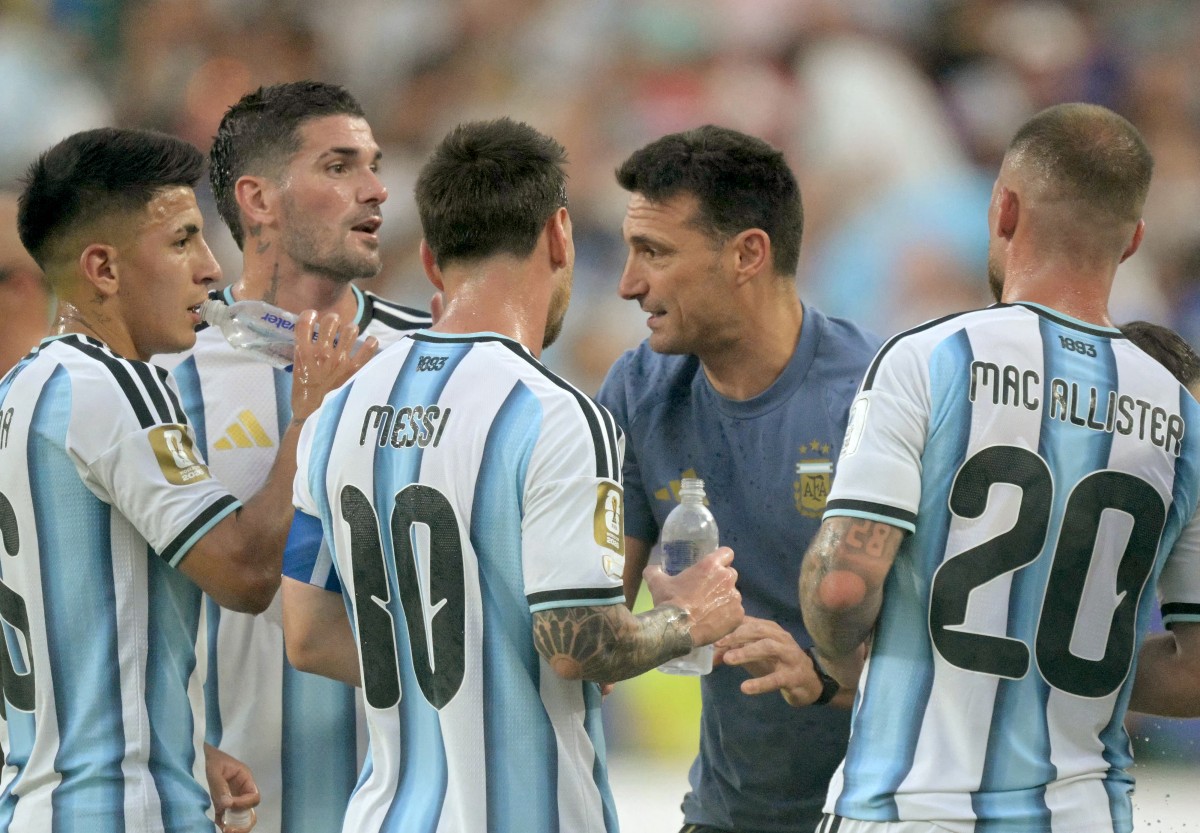
The FIFA World Cup 2026 has introduced mandatory hydration breaks in every match, marking a major step towards protecting player health. FIFA announced that players will receive a three-minute hydration break midway through each half, regardless of weather conditions. The decision is aimed at helping athletes stay hydrated and perform safely during the tournament. The FIFA World Cup 2026 is being hosted across the United States, Canada, and Mexico. With matches taking place during summer, concerns about heat stress, dehydration, and player welfare have become increasingly important. These scheduled breaks will allow players to drink fluids, cool down, and recover before continuing play.
The hydration breaks at the World Cup 2026 are exactly three minutes long. It starts at minute 22 of the first half and again at minute 22 of the second half, which falls around the 67th minute overall. Referees have no discretion in this matter.
According to experts, athletes can lose large amounts of water and electrolytes through sweat during intense physical activity. Even mild dehydration can affect endurance, speed, concentration, and overall performance. In severe cases, it can lead to muscle cramps, dizziness, heat exhaustion, or heat stroke.
Why Is Hydration Important For Athletes
Water plays an important role in keeping the body functioning properly. It helps regulate body temperature, lubricates joints, supports muscle function, and allows the body to transport nutrients efficiently. During exercise, athletes lose fluids through sweat. If these fluids are not replaced, the body begins to struggle with cooling itself and maintaining physical performance.
Sports dietitians say that dehydration can impact flexibility, endurance, and breathing efficiency. It can also affect mood, focus, and decision-making, all of which are essential during high-level competition. Athletes who stay properly hydrated are more likely to maintain their energy levels and perform consistently throughout a match.
Hydration Do's For Athletes
1. Drink Fluids
Hydration should start long before the game starts. Experts recommend drinking water or a sports drink a few hours before exercise to ensure that the body starts activity with adequate fluid levels. This helps reduce the risk of dehydration later in the game.
2. Use Hydration Breaks Wisely
The mandatory FIFA hydration breaks give players a chance to replenish fluids. Athletes should take advantage of these breaks to drink water or electrolyte-rich beverages rather than waiting until they feel thirsty. Thirst is often a sign that dehydration has already begun.
3. Replace Electrolytes
Sweat contains important minerals such as sodium, potassium, and chloride. During long or intense activity, athletes should replace both fluids and electrolytes. Sports drinks can help restore this balance and support muscle and nerve function.
4. Monitor Signs Of Dehydration
Athletes should pay attention to symptoms such as fatigue, dizziness, headaches, dry mouth, muscle cramps, and dark-coloured urine. Spotting these warning signs early can help prevent more serious health problems.
5. Rehydrate After The Match
Hydration does not end when the final whistle blows. Replacing lost fluids after exercise helps in recovery and prepares the body for future training or competition. Water, sports drinks, and recovery beverages can all support post-match hydration.
Hydration Don'ts for Athletes
1. Don't Wait Until You Feel Thirsty
Many athletes make the mistake of drinking only when they feel thirsty. By that point, the body may already be low on fluids. Regular hydration throughout the day and during activity is a better strategy.
2. Don't Ignore Heat Conditions
Hot and humid environments increase fluid loss through sweat. Athletes should adjust their hydration habits based on weather conditions and the intensity of exercise.
3. Don't Rely Only on Plain Water
While water is essential, prolonged exercise may need electrolyte replacement as well. Drinking excessive amounts of plain water without replacing lost salts can affect electrolyte balance.
4. Don't Overconsume Caffeinated Drinks
Although some athletes use caffeine for performance benefits, excessive amounts can lead to headaches, dizziness, or stomach discomfort. Caffeinated drinks should not replace proper hydration.
5. Don't Ignore Recovery Needs
Skipping post-exercise hydration can slow recovery and leave athletes feeling fatigued. Replenishing fluids after activity is just as important as staying hydrated during competition.
Disclaimer: This content including advice provides generic information only. It is in no way a substitute for a qualified medical opinion. Always consult a specialist or your own doctor for more information. NDTV does not claim responsibility for this information.