

)
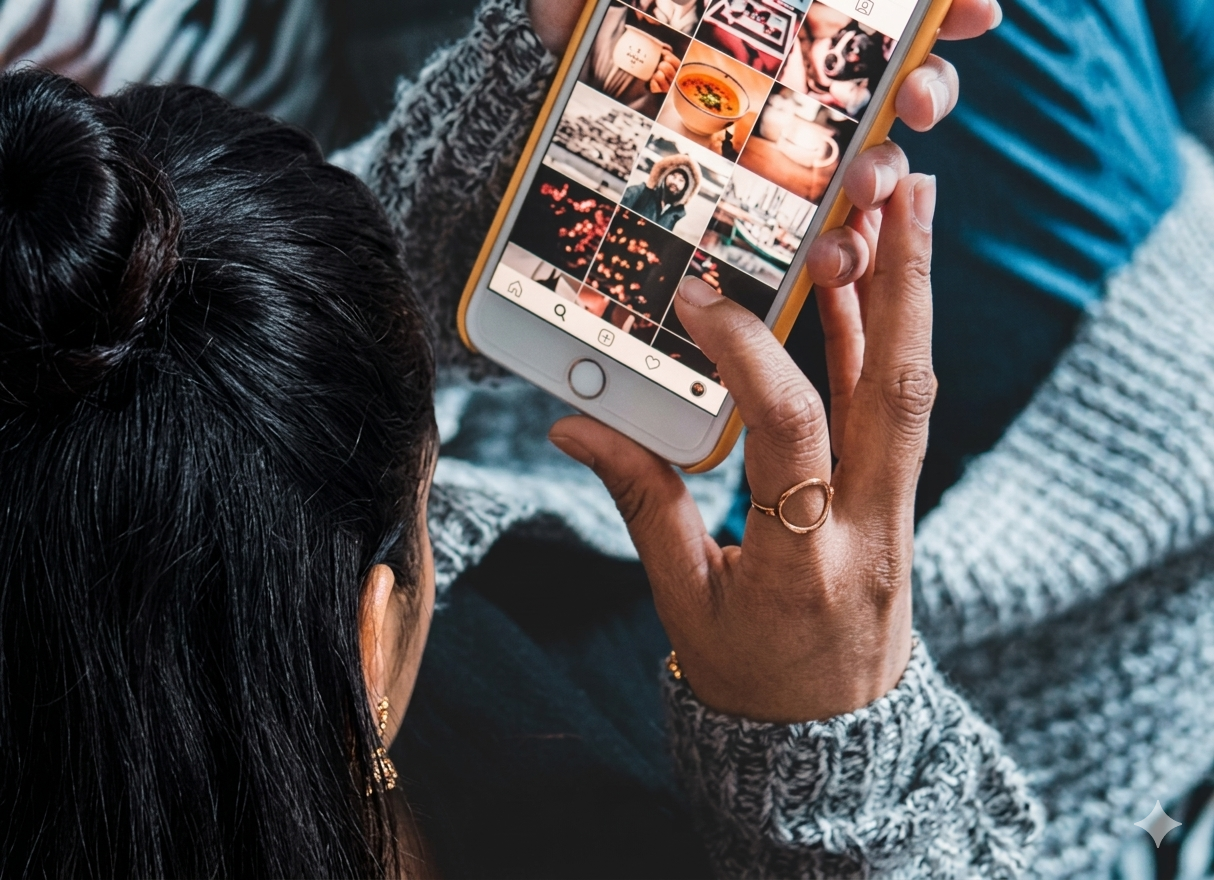
Most people have the habit of lying down and doomscrolling on social media when they are tired. But this supposed mental health break could be making you even more tired. If you have felt mentally exhausted after scrolling on social media, then your brain hasn't really recovered from receiving any rest. Research published in the Journal of the Indian Association for Child and Adolescent Mental Health suggests that passive scrolling can't aid in the brain's mental recovery.
Your body and brain are connected, and both need rest. If either of them is tired, then it can make you even more exhausted. This can worsen when it happens for a prolonged period and shift your behavioural habits as well. Instead of focusing on active brain recovery, mindless scrolling can result in mental fatigue, cognitive exhaustion, anxiety, compulsive use, loss of control, emotional overload, reduced attention, and constant mental stimulation.
Why Your Brain May Still Feel Tired Even When You're Resting
Your brain functions as per your daily routine, and how you start and end your day can influence your brain's reaction to stimuli. Passive scrolling is a blue light device that switches a roller coaster of dopamine and serotonin and suppresses melatonin, resulting in late sleep. Physical and mental rest are necessary for the health and well-being of your body.
This is why resting your brain is necessary, as your brain can still feel tired even when you are resting.
What Happens To Your Brain When You Scroll Social Media?
Constant scrolling on social media shifts your brain into a constant active mode, wherein it is trying to process an overload of information. The constant novelty content consumption keeps the brain in alert mode. The feature of constant scroll and autoplay keeps your brain in a dopamine-fuelled attention-deficient mode.
Information Overload
The brain is overloaded with an endless stream of information as it is forced to process multimedia content at a fast speed. Your brain processes hundreds of images, videos, and opinions all at once, which makes it overloaded.
The Hidden Link Between Social Media Breaks And Mental Fatigue
If you spend your mental health breaks scrolling on social media, then you want to rethink doing this, as your brain may be paying a price. Research published in the Computers in Human Behaviour Journal highlights that your attention shrinks at a record pace if you spend most of your time scrolling.
Attention Switching Drains Mental Energy
The constant switch between different types of content online can reduce your attention span as your brain is confused about where it is supposed to focus.
Doomscrolling And Emotional Exhaustion
Constant exposure to doomscrolling can lead to emotional exhaustion, as looking at stressful news and online content can fuel emotional burnout.
Signs Your Brain Is Not Getting Real Rest
Your brain sends signals that it isn't rested and is unable to process according to the forced habits that people develop as they get stuck in a loop of doomscrolling. Here are the signs that signal that your brain is not getting any real rest:
- Feeling mentally drained after scrolling
- Brain fog
- Poor focus
- Irritability
- Difficulty concentrating
- Reduced productivity
Note: If you experience any of these signs, then you need to take an actual mental health break that doesn't involve any screen exposure.
Why Social Media Feels Relaxing But Isn't Always Restorative
Scrolling on social media can offer instant gratification, but true recovery of the brain is not possible. It is just a distraction from active brain rest that is needed for a mental health break. The dopamine-fuelled instant gratification forces people to stay glued to their screens instead of focusing on what their brain actually needs.
Better Alternatives To Give Your Brain A Genuine Break
You need to give your brain a break by focusing on implementing proven habits that can offer actual benefits. Here are the ways that you can do so:
- Take a walk outdoors in nature, as it is proven to renew mental resilience.
- Practise mindfulness or deep breathing techniques to calm your nervous system.
- Read a physical book, as reading benefits the brain, especially when it needs mental rest.
- Listen to music, as most people can benefit from the brain health benefits of music therapy.
- Have a screen-free break to give your brain a much-needed mental break.
How Long Should A Healthy Digital Break Be?
Realistically, it is not possible to stay completely detached from the digital world, but timing it and limiting your exposure can benefit your mental health.
Taking micro-breaks throughout the day can prove beneficial for brain rest.
Research published in the Journal of Technology in Behavioural Science suggests that early morning exposure to your screen can shift your brain into a hyperactive mode whose effects can slowly damage your brain over time, as it is stuck in a loop of instant gratification as soon as it wakes up.
Establishing healthy boundaries with digital technology is necessary for preserving your brain health.
When Excessive Screen Time Becomes A Problem
Excessive screen time can turn into a problem when your brain is actively trying to send you signals that it needs to actually rest. Here is how this can happen:
- Sleep quality is impacted, and you find yourself awake at night when you are supposed to be asleep.
- Erratic mood swings throughout the day and a loss of productivity can be tell-tale signs that excessive amounts of screen time are taking an active toll on your mental health.
Tips To Recharge Your Brain Without Scrolling
You can recharge your brain without any social media scrolling, as you need to introduce scientifically tested tips that can improve your mental health:
- Schedule intentional breaks or make them timed and implement them on a gradual basis.
- Avoid social media during stressful periods, as your brain is already on edge.
- Use app timers to time your screen time exposure.
- Prioritise offline mental health recovery activities such as regular exercise, playing outdoors, and brain health games that require tactile equipment.
Social media breaks may have become a normal daily habit, but your brain health may be suffering due to it. You need to identify the signs and act accordingly to preserve your mental health.
Also Read: Why Staying Awake Past Midnight Triggers Sudden Anxiety
Disclaimer: This content including advice provides generic information only. It is in no way a substitute for a qualified medical opinion. Always consult a specialist or your own doctor for more information. NDTV does not claim responsibility for this information.