

)
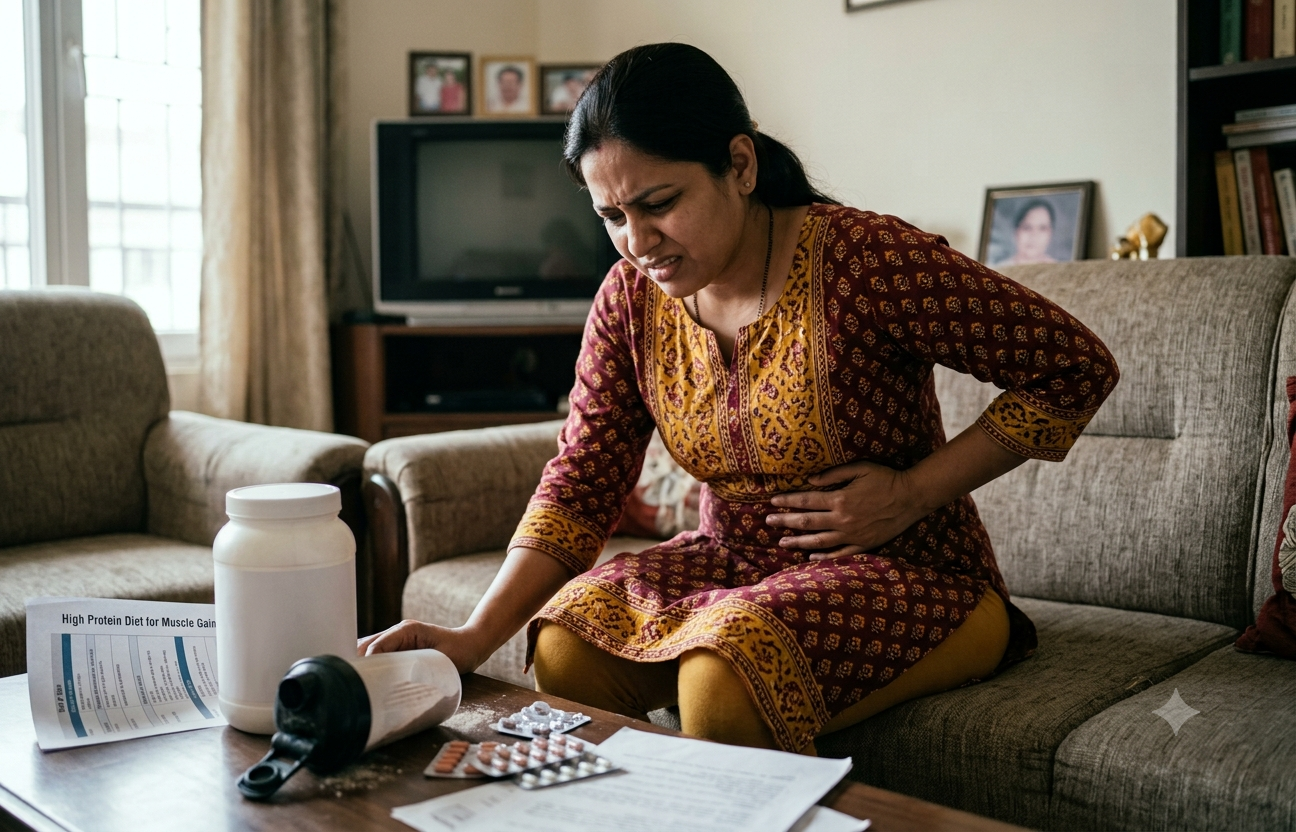
Protein is an important part of a healthy diet, but for some, eating more of it can also bring an uncomfortable problem, bloating and gas. Nutritionist Lovneet Batra has shared simple tips that can help deal with this problem.
She suggested adding foods with soluble fibre, such as sabja seeds, apples and pineapple, to meals. She also recommended drinking warm ginger mint tea after lunch to help with digestion and gas. Staying properly hydrated is another important step.
But why does protein sometimes cause bloating in the first place?
From the foods you eat to the way you drink water, a few simple changes will help you feel better.
Nutritionist Lovneet Batra explained that bloating after eating protein may happen for a few simple reasons. One reason is not getting enough fiber, which can slow bowel movements and make you feel uncomfortable. Another possible reason is low stomach acid, which may make it harder for the body to break down protein properly. Not drinking enough water is another reason that makes digestion harder.
She further suggests adding soluble fiber foods on protein meals for easier digestion. Food options include sabja seeds, apples, guavas, sweet potatoes and pineapple. According to Batra, “Soluble fiber creates a smooth gel that sweeps protein through your digestive tract.”
A ginger and mint drink can also help with digestion. To make it, boil one inch of grated ginger and five fresh mint leaves in water for three minutes. Lovneet Batra suggests drinking one cup around noon or 15 minutes after lunch.
Drinking water properly can also keep digestion regular. If you do not drink enough fluids, your body may take more water from the colon, which can make stools harder and lead to constipation.
The nutritionist claims that drinking around 2.5 to 3 litres of water everyday, mainly between meals, reduces the chances of constipation when eating a high protein diet.
Disclaimer: This content including advice provides generic information only. It is in no way a substitute for a qualified medical opinion. Always consult a specialist or your own doctor for more information. NDTV does not claim responsibility for this information.