

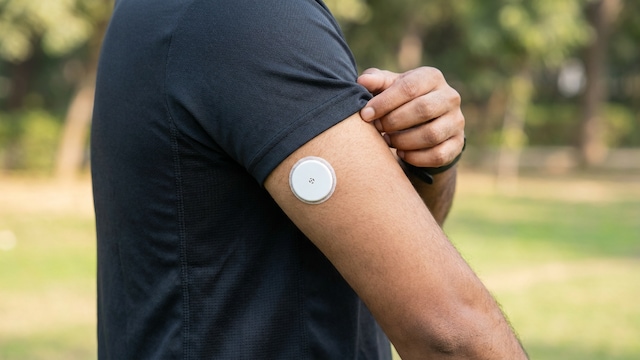
Continuous glucose monitors (CGMs) were once mainly used for diabetes management, but these wearable devices are now becoming popular among people who do not have diabetes. Many health-conscious individuals are using them to understand how their blood sugar responds to food, exercise, sleep, stress and other daily habits. A CGM uses a small sensor placed under the skin to continuously measure glucose in the interstitial fluid.
The readings in CGMs can help users observe patterns throughout the day and see how lifestyle choices affect their glucose levels. But does knowing these numbers actually improve health for people without diabetes? According to Dr Manisha Arora, Director - Internal Medicine at the CK Birla Hospital, Delhi, CGMs can offer useful insights in selected cases, but they are not necessary for everyone.
Why Are Non-Diabetics Using CGMs?
Growing awareness about preventive health, metabolic health and lifestyle-related disorders is encouraging people to monitor their glucose even without a diabetes diagnosis. A CGM can show how blood sugar changes after different meals and activities.
For instance, a person may notice a bigger glucose rise after eating a meal high in refined carbohydrates than after having a meal that has protein, fibre and healthy fats. The device can also help users observe whether sleep, stress or physical activity affect their glucose levels.
"This allows individuals to observe their glucose patterns in relation to meals, physical activity, sleep and stress," says Dr Arora. However, she adds that these readings need to be interpreted carefully rather than viewed in isolation.
Is A CGM Necessary If You Do Not Have Diabetes?
For most healthy people without diabetes, regular CGM use is not necessary. Standard tests such as fasting blood glucose, post-meal blood glucose and HbA1c are still the established ways of checking blood sugar levels. Dr Arora says, "Generally speaking, regular CGM use is not required for healthy people who do not have diabetes." She also stresses that CGM readings should not be used on their own to diagnose diabetes or prediabetes.
This is important because glucose naturally rises and falls during the day. A temporary increase after eating does not automatically mean that there's a metabolic problem. Looking at every rise as a warning sign can therefore create unnecessary anxiety.
Can A CGM Detect Metabolic Problems?
A CGM can show glucose patterns, but it cannot give you the complete picture of a person's metabolic health. The readings can be affected by sensor inaccuracies, the delay between blood glucose and glucose in interstitial fluid, and individual physiological differences. "Glucose level changes during the day are typical, and spikes in blood sugar levels after meals do not necessarily mean that metabolic problems exist," explains Dr Arora.
This means a person should not think that a high reading after a particular meal indicates diabetes or insulin resistance. If there are concerns about blood sugar, conventional laboratory tests and a doctor's assessment are more appropriate.
When Can CGMs Be Useful For Non-Diabetics?
There may be situations where CGMs provide additional information, particularly for people who have risk factors for metabolic disorders. For example, a doctor may consider using glucose monitoring to understand an individual's glucose patterns alongside their medical history, clinical examination and other test results.
Dr Arora says, "In specified cases, CGMs may help gain more insight into individual glucose levels, particularly for people with some type of metabolic disorder risk factors."
However, she recommends that such monitoring should ideally be done under specialist guidance. This helps prevent people from interpreting individual readings incorrectly or making unnecessary dietary changes based on short-term fluctuations.
Can CGMs Help Improve Diet And Lifestyle?
One potential benefit of CGMs is that they can make people more aware of how their everyday habits affect glucose levels. Seeing a repeated pattern may encourage someone to improve meal quality, increase physical activity or pay more attention to sleep. For example, a person may discover that a balanced meal gives them a different glucose response compared with a meal that is high in refined carbohydrates. Similarly, they may notice changes associated with poor sleep or prolonged inactivity.
But this does not mean that people need to monitor glucose continuously to make healthy choices. A balanced diet, regular exercise, adequate sleep, maintaining a healthy weight and routine health checks are important for long-term metabolic health.
For a healthy person without diabetes, buying a CGM simply to track every glucose fluctuation is generally not necessary. The device may provide interesting information, but more data does not always mean better health decisions. "It is more important to focus on improving metabolic health rather than being obsessed with glucose numbers," adds Dr Arora.
Disclaimer: This content including advice provides generic information only. It is in no way a substitute for a qualified medical opinion. Always consult a specialist or your own doctor for more information. NDTV does not claim responsibility for this information.