

)
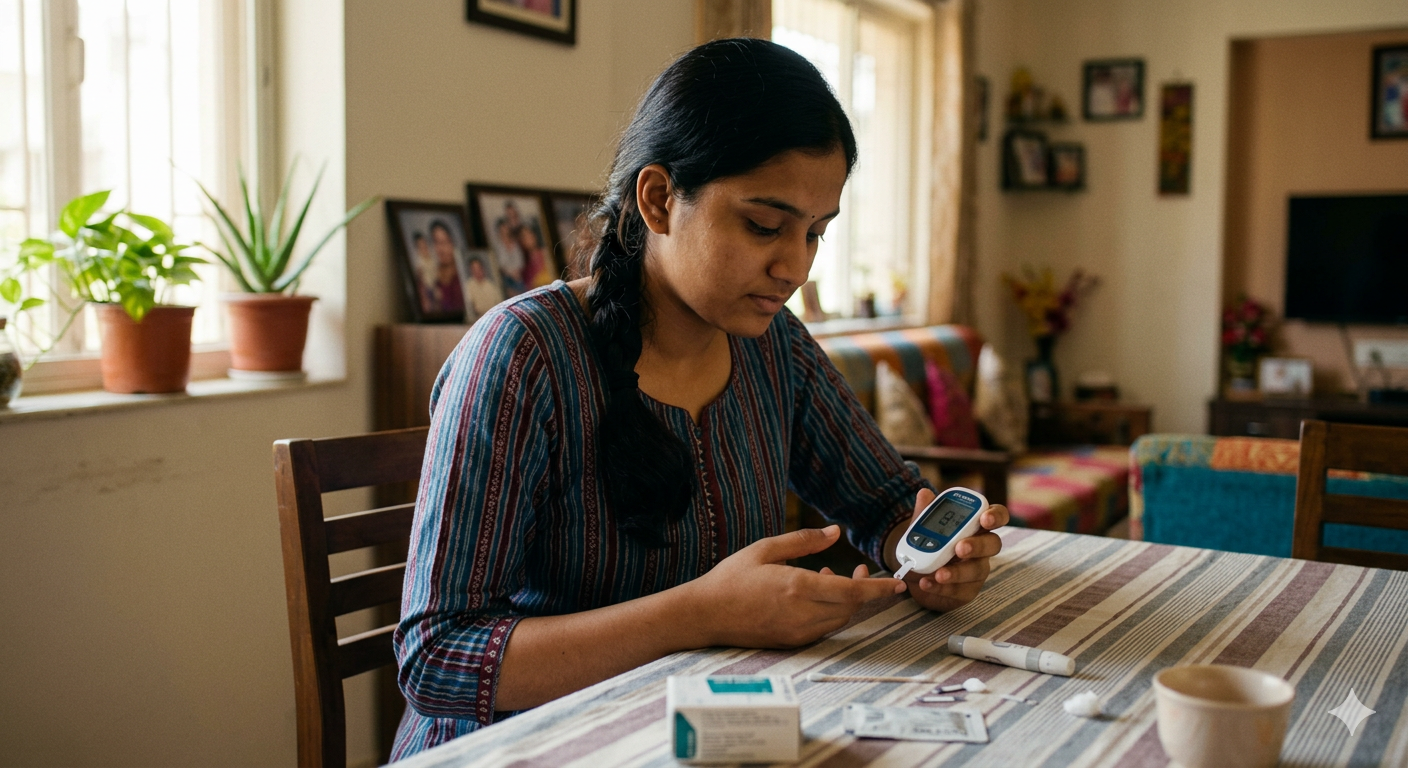
Sexual health is often overlooked in discussions around chronic diseases, yet conditions like diabetes and heart disease can significantly impact intimacy and quality of life. While these illnesses are commonly associated with blood sugar levels, cholesterol or heart function, their effects extend far beyond, often affecting vascular health, nerve function and hormonal balance, all of which are essential for normal sexual response. Globally, both diabetes and cardiovascular disease are on the rise, including in India, where lifestyle changes, urbanisation and ageing populations are contributing to increasing prevalence. Cardiovascular diseases remain the leading cause of death worldwide, while diabetes continues to grow as a major public health concern.
Despite this, conversations around sexual dysfunction linked to these conditions remain limited due to stigma and lack of awareness. Experts say recognising these symptoms early can not only improve quality of life but also serve as a warning sign for underlying vascular damage. Here's how diabetes and heart disease affect sexual health, and why it matters.
The Hidden Link Between Chronic Disease And Sexual Health
"Diabetes and heart disease and other chronic conditions have a major yet frequently unnoticed effect on sexual health for both men and women. These conditions obstruct blood circulation, damage nerve pathways and disrupt hormone production, all of which are necessary for normal sexual function," says Dr. Narendra BS, Lead Consultant - Endocrinology & Diabetology at Aster Whitefield Hospital.
Sexual function relies heavily on healthy blood flow, intact nerve signalling and balanced hormones. When these systems are impaired, as is common in chronic diseases, sexual dysfunction can occur.
Also Read: Diabetes Drug Metformin Could Reduce Insulin Needs For People With Type 1 Diabetes: Study
Diabetes And Sexual Dysfunction
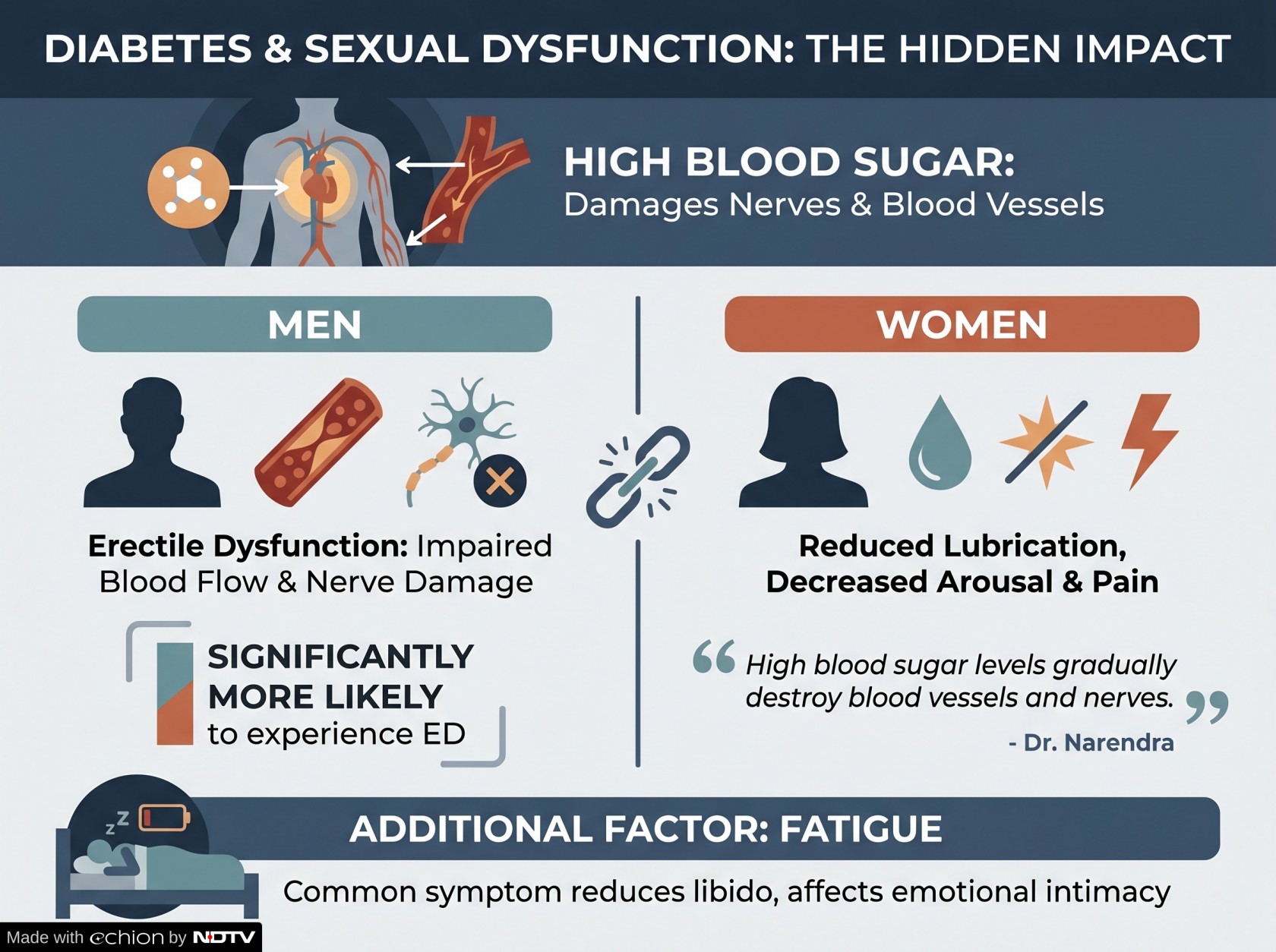
Diabetes, particularly when poorly controlled, can damage both blood vessels and nerves over time, a condition known as diabetic neuropathy and vasculopathy. "High blood sugar levels gradually destroy blood vessels and nerves. In men, this can lead to erectile dysfunction due to impaired blood flow and nerve damage. In women, it may cause reduced lubrication, decreased sexual excitement and pain during intercourse," explains Dr. Narendra.
Research shows that men with diabetes are significantly more likely to experience erectile dysfunction than those without the condition. In women, studies indicate that diabetes can affect arousal, lubrication and overall sexual satisfaction. Additionally, fatigue, a common symptom of diabetes, can further reduce libido and affect emotional intimacy.
Heart Disease And Circulation Problems
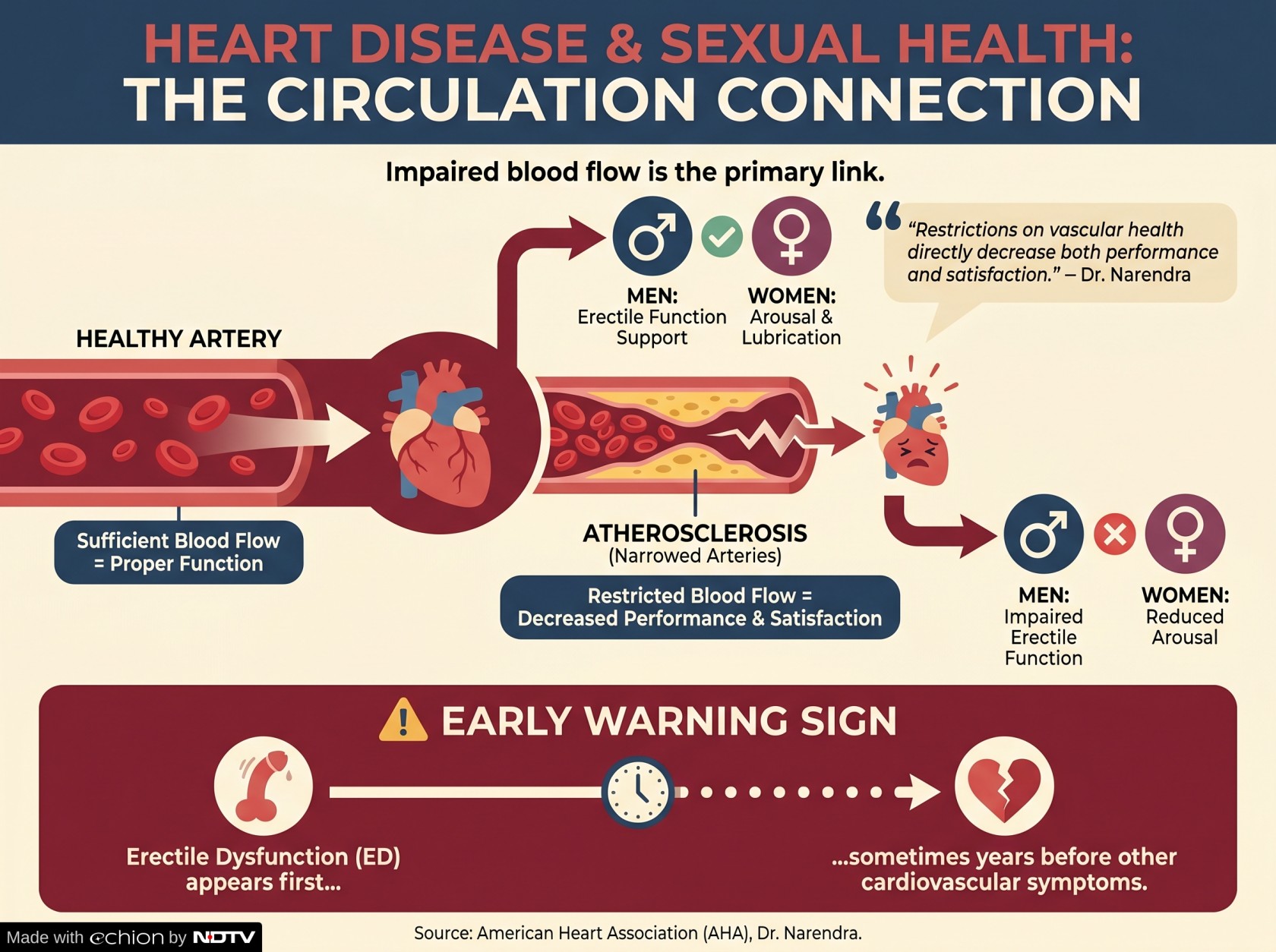
Heart disease affects sexual health primarily through its impact on blood circulation. "The body needs sufficient blood flow to maintain proper sexual function. Restrictions on vascular health directly decrease both performance and satisfaction," Dr. Narendra notes.
According to the American Heart Association (AHA), reduced blood flow due to atherosclerosis (narrowed arteries) can impair erectile function in men and reduce arousal in women. In fact, sexual dysfunction, particularly erectile dysfunction, is often considered an early warning sign of cardiovascular disease, sometimes appearing years before other symptoms.
The Role Of Medications
Treatment for diabetes and heart disease can also contribute to sexual health issues. "Some medications, including certain antihypertensive drugs, may cause decreased sexual desire and performance problems as side effects," says Dr. Narendra.
The National Health Service (NHS) notes that beta-blockers and some diuretics, commonly prescribed for high blood pressure, can impact libido and sexual performance in some individuals.
Psychological Impact: An Overlooked Factor
Beyond physical effects, chronic illnesses can take a psychological toll. "Chronic illness creates stress and anxiety, reduces self-confidence and these factors work together to harm sexual health," Dr. Narendra explains.
Mental health plays a crucial role in sexual well-being. Anxiety, depression and relationship stress can exacerbate physical symptoms, creating a cycle that further impacts intimacy.
Sexual Dysfunction As A Warning Sign
One of the most important takeaways, experts say, is that sexual dysfunction should not be ignored. "Sexual dysfunction can function as an early indicator of underlying vascular damage. It should be addressed as a standard part of medical care," emphasises Dr. Narendra.
Early detection can prompt timely screening for diabetes, heart disease or other metabolic conditions, potentially preventing more serious complications.
Also Read: What Is The Best Way To Eat Beetroot For High Blood Pressure?
What Can Help?
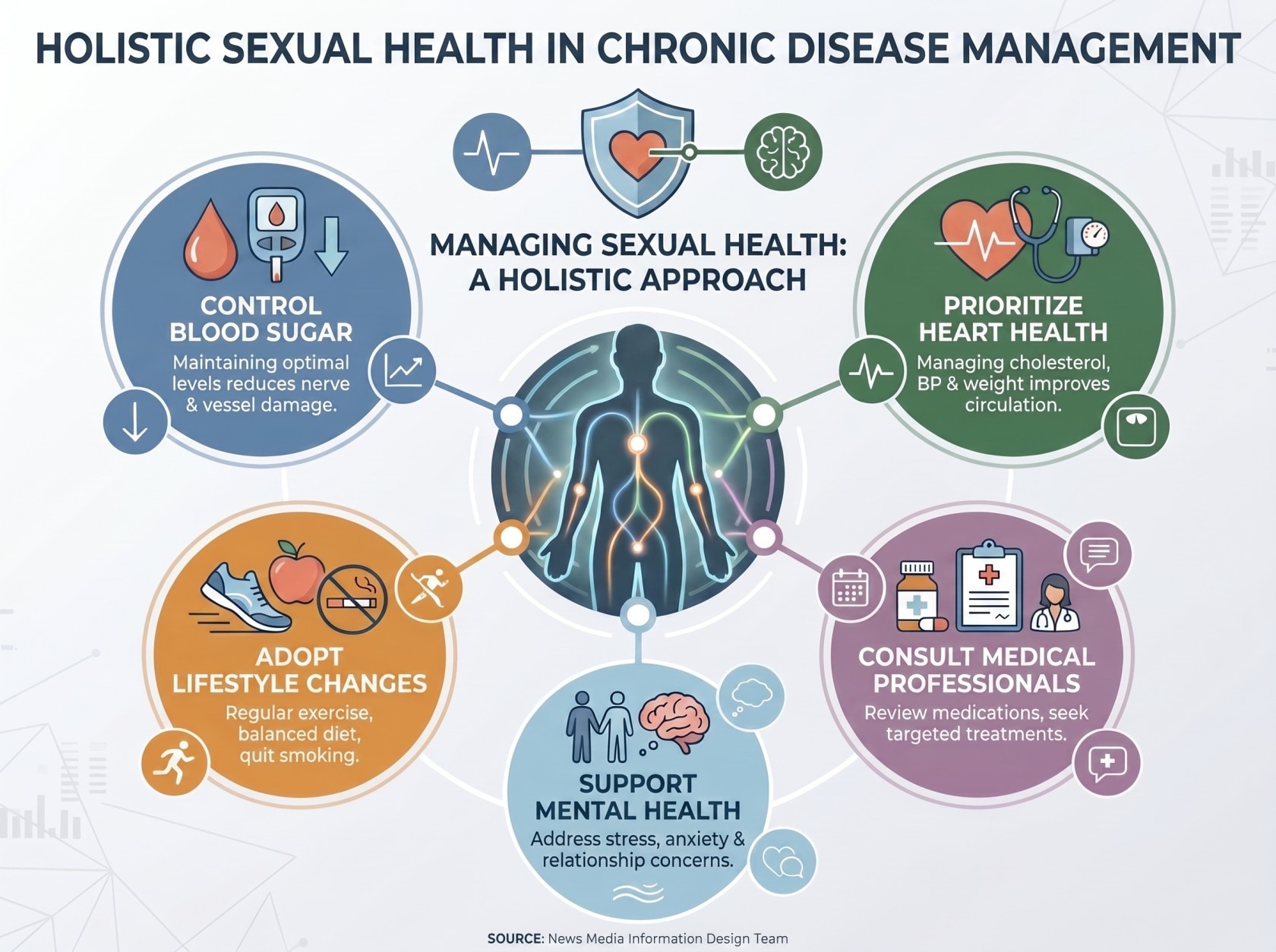
Managing sexual health in the context of chronic disease requires a holistic approach:
- Blood sugar control: Maintaining optimal glucose levels reduces nerve and vessel damage
- Heart health: Managing cholesterol, blood pressure and weight improves circulation
- Lifestyle changes: Regular exercise, balanced diet and quitting smoking
- Medical consultation: Reviewing medications and seeking targeted treatment
- Mental health support: Addressing stress, anxiety and relationship concerns
"The combination of blood sugar control, cardiovascular improvement, healthy lifestyle choices and prompt medical assistance leads to better outcomes, not just for disease management, but also for quality of life," Dr. Narendra concludes.
Diabetes and heart disease affect far more than their primary organs, they can significantly impact sexual health and overall well-being. While these effects are common, they are often underreported and undertreated due to stigma or lack of awareness.
Recognising sexual dysfunction as a potential early warning sign of deeper health issues is crucial. With timely intervention, proper disease management and open communication with healthcare providers, individuals can improve both their physical health and quality of life.
Disclaimer: This content, including advice, provides generic information only. It is in no way a substitute for a qualified medical opinion. Always consult a specialist or your own doctor for more information. NDTV does not claim responsibility for this information.