

)
Type 1 diabetes affects millions of people across the globe. Type 1 diabetes is an autoimmune condition wherein your body prevents the pancreas from making insulin. When your body doesn't have enough insulin, it can't process the sugar that you eat and this leads to sugar buildup in the blood. This leads to high blood sugar levels. If the condition is not treated, it can lead to serious health issues and in severe cases, even death. Hence, people suffering from Type 1 diabetes tend to rely on lifelong insulin injections because their immune system destroys the pancreas's insulin-producing cells.
Dr. Jennifer Snaith, endocrinologist and co-lead of the study, said, "Insulin resistance is a growing problem in type 1 diabetes. Not only does it make regulating blood sugar levels difficult, but it is an underappreciated risk factor for heart disease, which is one of the biggest causes of health complications and deaths in those with type 1 diabetes." Now, a new study from the Garvan Institute of Medical Research offers hope through metformin, which is a drug that has been used for decades to treat type 2 diabetes.
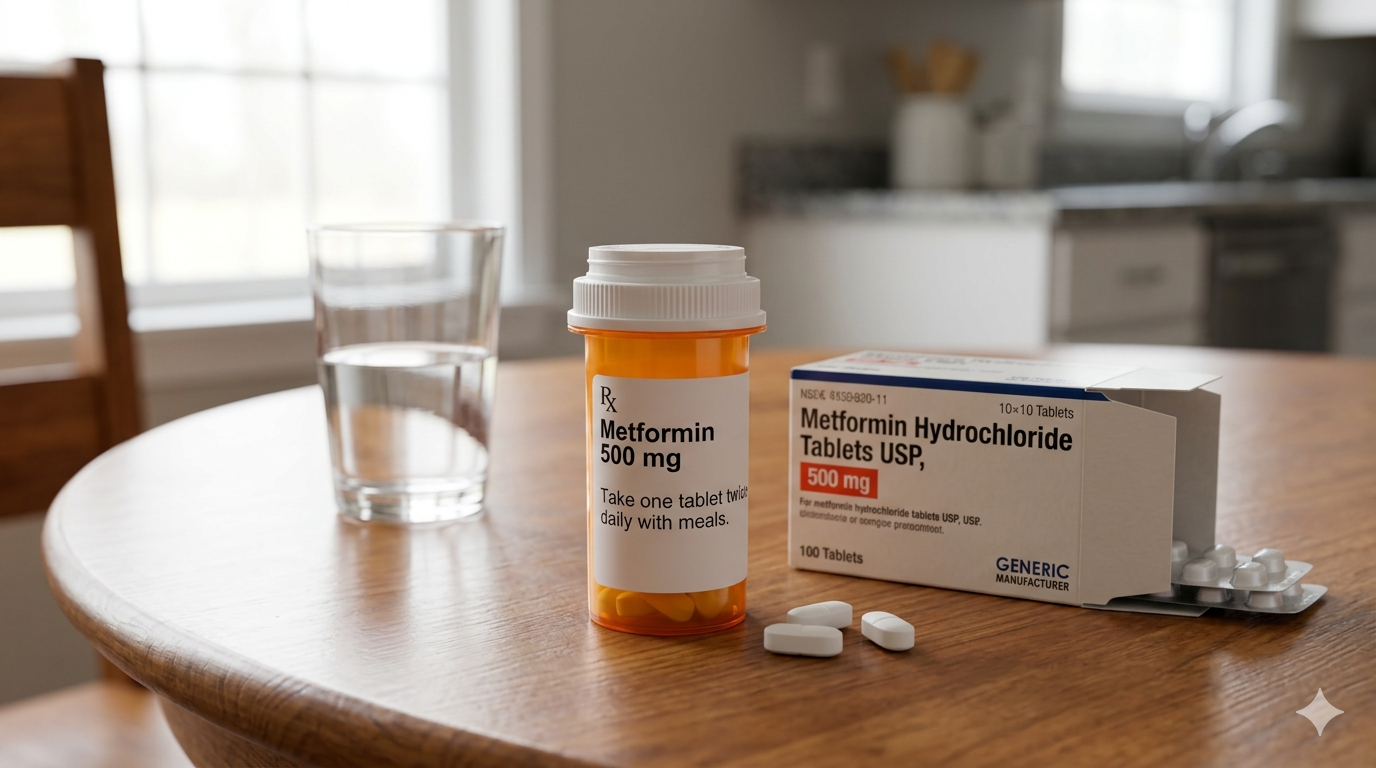
Researchers tested the drug on 40 adults with long-term type 1 diabetes in the Insulin Resistance in Type 1 Diabetes Managed with Metformin (INTIMET) study, giving half of them metformin and half a placebo for six months. They used advanced 'clamp' tests to measure insulin resistance in the liver, muscles, and fat. Surprisingly, metformin did not reduce insulin resistance as expected, but those taking it used about 12% less insulin daily while keeping blood sugar levels stable, with no changes in average glucose or HbA1c levels. The study was published in Nature Communications.
Study Overview And Key Findings
The INTIMET trial was a randomised study, the first of its kind to test metformin's effects on insulin resistance in type 1 diabetes adults. Participants had established type 1 diabetes and some insulin resistance. They continued their usual insulin but added 1,500-2,000 mg of metformin daily or placebo. After 26 weeks, clamp studies showed no drop in hepatic, muscle, or adipose insulin resistance, but total daily insulin dose fell by 0.10 units/kg/day in the metformin group versus a slight rise in placebo.
Dr. Snaith said, "Although we didn't find changes to insulin resistance from the use of metformin, we did show that people taking it used around 12% less insulin than those on placebo. This is an important result. Insulin is a relatively old treatment which, while lifesaving, comes with significant mental and physical burden. This means that lowering the amount of insulin used is a priority for many people living with type 1 diabetes. We have shown that a very cheap, accessible medication may serve this purpose and this is very exciting."
Also read: Can A Common Diabetes Drug Treat Long Covid When Taken Early? Experts Say Yes
Why Does Metformin Help?
Metformin's main job in type 2 diabetes is lowering liver glucose output and boosting insulin sensitivity, but it acted differently in this case. Since insulin resistance stayed the same yet less insulin worked, scientists suspect other paths. One top theory points to the gut microbiome. Professor Jerry Greenfield, Faculty at Garvan Institute of Medical Research, said, "Metformin has been available in various forms for around 100 years, but it's mechanism of action remains unknown. We would have expected that the observed reductions in insulin dose induced by metformin in our study would be due to the body becoming more sensitive to insulin, that is, becoming less insulin resistant. But we have shown that is not the case. Our priority is now working out how metformin is achieving this effect."
Dr. Snaith further explains that, "There is increasing evidence suggesting that metformin may act on the gut. This is why we are now investigating how metformin changes gut flora, also known as the microbiome, in people with type 1 diabetes. This has not been studied before in type 1 diabetes. We're hoping this will provide clues on metformin's mechanism of action, so that it can be more widely used in the management of type 1 diabetes."
Disclaimer: This content including advice provides generic information only. It is in no way a substitute for a qualified medical opinion. Always consult a specialist or your own doctor for more information. NDTV does not claim responsibility for this information.