

)
Artificial sweeteners such as aspartame, acesulfame potassium, saccharin, and sucralose can be found on the food labels of popularly consumed foods. While their ability to add sweetness is the reason behind their addition to food items, artificial sweeteners are under scrutiny again, as their potential health side effects are under focus. Diet sodas, low-sugar foods, snacks, and even certain chewing gums also have artificial sweeteners in them, and there is growing research that is questioning whether artificial sweeteners with no nutrition are actually harmful to health. Their zero-calorie makeup or zero biological impact is normally assumed when people consume foods with them in them, but you need to question each and every ingredient on the food label. It needs to be paid attention to as you are consuming it, and its long-term health damage may silently creep up once the damage gets significant.
What The New Study Found
A new study published in Frontiers in Nutrition that was performed on mice tested sucralose and stevia at doses comparable to typical human consumption. As the complete diet comprises multiple food sources, their corresponding impact on the gut and on a genetic level with regard to metabolism and inflammation has been revealed. The findings of the new study suggest the following that should give you pause while choosing certain foods:
- There may be changes in the gut microbiome that can impact how the body processes food and extracts nutrients.
- Altered gene expression with links to metabolism and inflammation is possible as artificial sweeteners are refined in nature.
- The study found that mice that consumed water with sucralose or stevia had impaired glucose tolerance even in their offspring.
Effects Seen Across Generations
The most startling effect that was recorded in mice exposed to sweeteners was that the offspring of the people who consumed it showed the same effects. Here is how:
- Even when mice's offspring aren't normally exposed to artificial sweeteners, the negative impact is seen in their ability to process sugars and turn them into glucose in the body.
- The impact on metabolism, inflammation, and negative impact on gut health changes could be seen via metabolic and microbial changes that persisted into the next and second generations.
- The long-term epigenetic mechanisms that may be activated when artificial sweeteners are consumed signal the need for tighter regulation.
Also Read: Is Psyllium Husk The New Superfood For Diabetics? Doctor Explains Its Impact On Blood Sugar Levels
How Gut Bacteria And Metabolism Are Connected
Not only this study, but several gut health studies and reviews highlight that gut bacteria and metabolism are linked to each other. The Journal of Endocrinology, International Journal of Molecular Sciences, and International Journal of Research Studies in Microbiology and Biotechnology all signal that a healthy gut is necessary to avoid serious disease.
- Sweeteners that are artificially derived or have synthetic origins, along with refined usage, have altered levels of short-chain fatty acids.
- These compounds influence gene regulation and inflammation, which are related to digestive issues.
- Changes are linked to insulin resistance and diabetes risk, as the study recorded changes in the expression of five genes involved with inflammation, gut barrier function, and metabolism in the liver and intestines.

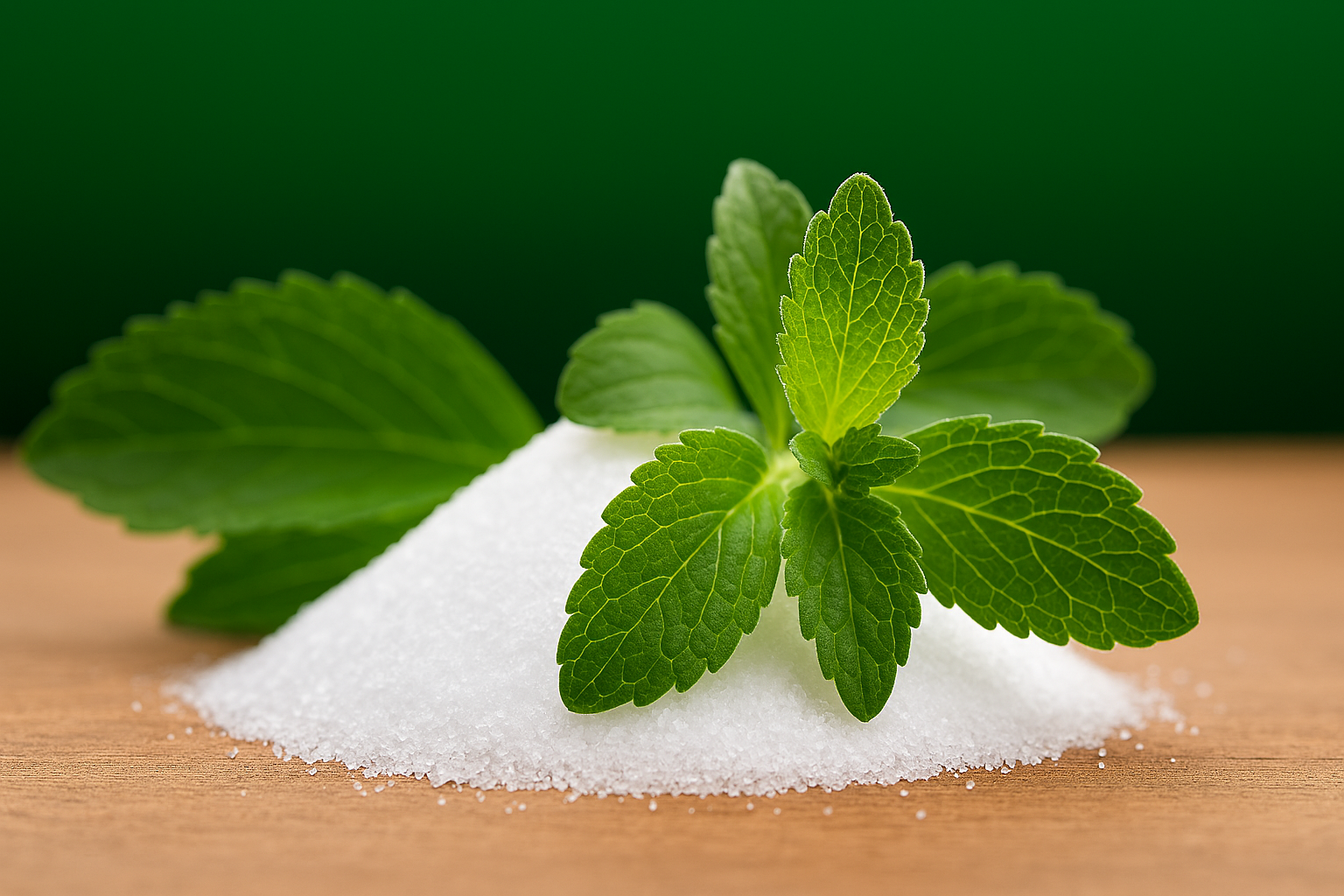
Artifical sweeteners such as sucralose and stevia can lead to changes in gut and metabolism
Photo Credit: Freepik
Key Differences Between Sweeteners
Artificial or refined sweeteners such as sucralose and stevia have different mechanisms behind their effect when they are consumed. The widespread nature of its presence in food items has made it possible for humans to consume a large dose without knowing the possible health impacts it may have. Here is what health impacts have been validated by scientific findings in each of these sweeteners:
- Sucralose has effects that are more consistent and persistent across generations.
- Stevia has effects mainly in the first generation, less pronounced in later generations.
Note: Individual human health and suitability to sweeteners and their processing may have different results on health.
What Researchers Are (And Are Not) Saying
The study is based on mice, but it can impact humans if further research is performed. Here is what the researchers are saying about the use of artificial sweeteners:
- The study does not claim causation in humans, as further research is needed to validate the findings in humans.
- Authors explicitly warn against over-interpretation, as the findings are limited to animal models.
- These findings raise questions, not conclusions, about long-term metabolic impact.
Also Read: Is Okra Water Good For Diabetics? Impact On Blood Sugar Levels Explained
What This Means For Consumers
Consumers need to be vigilant and practise caution, and always scan the food labels for what is in them. The findings of the study indicate the following:
- There is no official recommendation to eliminate sweeteners entirely, but to balance their intake with naturally occurring sugars for balance.
- The human body needs balance and moderation, especially in children and people who frequently consume the sweeteners; they need to be mindful.
- Whole-food dietary approaches are still the safest option to make your long-term health stronger.
What Should Happen Next
Medical researchers have flagged that there needs to be the following:
- Long-term human studies are needed to figure out the exact effect on the human gut microbiome and metabolism markers.
- There needs to be better regulation of marketing claims around "healthy" sugar substitutes, as their side effects should be timely updated.
- Public health messaging should avoid extremes, as people can be misled to believe unscientific truths that disregard food safety.
So, the new animal-based study reveals that artificial sweeteners like sucralose and stevia may change the gut and metabolism markers. Hence, you need to be careful of the food items that you are consuming on a daily basis.
Disclaimer: This content, including advice, provides generic information only. It is in no way a substitute for a qualified medical opinion. Always consult a specialist or your own doctor for more information. NDTV does not claim responsibility for this information.