

)
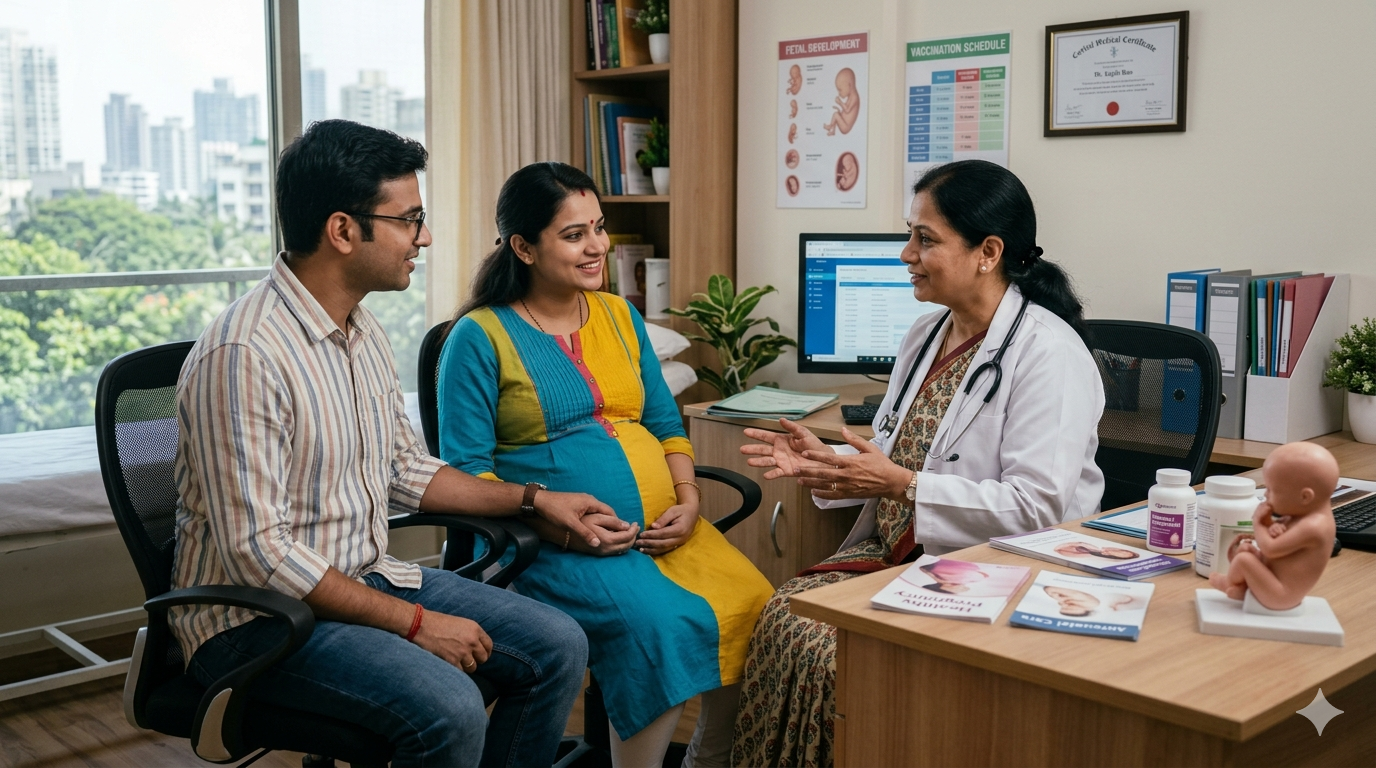
Motherhood in India looks very different today from what it did a generation ago. Twenty-five years back, pregnancy was often viewed as a natural milestone that followed marriage, with little discussion around pregnancy planning, maternal nutrition, mental wellbeing or financial preparedness. Families were larger, home deliveries were more common, and infant care was shaped largely by traditions passed down through generations.
Over the last two decades, social change, better healthcare access and greater awareness have transformed the maternal health landscape. Women are marrying later, pursuing higher education, participating more actively in the workforce and making informed decisions about family planning. Conversations around maternal health now begin even before conception, with increasing focus on nutrition, screening, risk assessment and birth preparedness.
These changes are reflected in India's demographic and health indicators. According to the latest National Family Health Survey (MFHS-6), the country's Total Fertility Rate has declined to 1.9 children per woman from around 3.2 in the early 2000s. Institutional deliveries have risen to over 90%, representing one of the most significant shifts in maternal healthcare utilisation.
Several factors have contributed to this transition:
- Improved access to healthcare facilities across urban and rural India
- Wider availability of contraception and family planning services
- Increased female literacy and economic participation
- Greater awareness about maternal and newborn health
- Rising aspirations around education, careers and financial stability
- Smaller family sizes becoming the preferred norm
The impact has been visible across multiple maternal and child health indicators. Maternal Mortality Ratio and Infant Mortality Rate have steadily declined. Antenatal care is more structured, high-risk pregnancies are identified earlier, and emergency obstetric services are available to a much larger section of the population than before.
Also Read: 19% Women, 22% Men Above 15 Years Have High Blood Pressure: NFHS-6 Shows Alarming Trend
How These Factors Have Changed Pregnancy Experiences
The experience of pregnancy has also changed. Expectant parents increasingly seek information through healthcare providers, antenatal classes and digital platforms. Decisions around place of birth, pain relief options, newborn care and feeding practices are often discussed well before delivery. In many urban settings, healthcare facilities are researched extensively, with families comparing services, outcomes and patient experiences before making a choice.
Alongside these developments, childbirth practices have evolved. Caesarean section rates have increased across both public and private healthcare settings, while many traditional birthing practices have become less common. Hospital based deliveries have contributed to safer outcomes for mothers and babies, particularly in high-risk pregnancies where timely medical intervention can be life saving.
One area, however, presents a different picture.
Decline In Breastfeeding Rates: A Gap In Maternal Care?
While institutional deliveries and maternal health awareness have improved, exclusive breastfeeding rates have not shown a similar trajectory. According to NFHS-5 data, only around 64% of infants below six months are exclusively breastfed, despite recommendations from the World Health Organization (WHO) that infants should receive only breast milk during the first six months of life.
Historically, breastfeeding was considered a natural continuation of childbirth and was supported by joint family structures where experienced caregivers often guided new mothers through the early challenges of feeding. Today's social environment is different.
Several factors influence infant feeding choices:
- Increasing nuclear families with limited postpartum support
- Earlier return to work after childbirth
- Workplace challenges related to breastfeeding and milk expression
- Greater availability and affordability of infant formula
- Commercial marketing of feeding products
- Changing personal preferences and lifestyle considerations
The decline in exclusive breastfeeding is important because breastfeeding continues to offer benefits that extend well beyond nutrition. Breast milk provides antibodies that help protect infants against infections, supports immune development and contributes to healthy growth during the first months of life. Studies have also associated breastfeeding with lower risks of respiratory infections, diarrhoeal illnesses and certain long term health conditions.
For mothers, breastfeeding supports postpartum recovery and has been linked to a reduced risk of breast and ovarian cancer later in life.
Also Read: India Has Recorded Progress In Health, Nutrition And Social Development: Key Findings Of NFHS-6
Early Initiation Of Breastfeeding: A Positive Trend
At the same time, an encouraging trend has emerged in the form of improved early initiation of breastfeeding. With more births taking place in healthcare facilities, awareness regarding skin-to-skin contact and breastfeeding within the first hour after delivery has increased. This reflects the positive influence of institutional care on immediate newborn practices.
India's maternal health journey over the past two decades has largely been a story of progress. The decline in fertility rates and rise in institutional deliveries reflects changing aspirations, stronger healthcare systems and improved access to care. Pregnancy is now more likely to be planned, monitored and supported through medical guidance than at any point in recent history.
At the same time, breastfeeding data points to a more complex reality. While more babies are being born in healthcare facilities and early breastfeeding has improved, sustaining exclusive breastfeeding for six months remains influenced by factors that extend beyond medical care. Family structures, employment patterns, economic independence, social support systems and infant feeding choices increasingly shape the experience of motherhood in ways that were far less prominent a generation ago.
(By Dr Madhu Goel, Director, Obstetrics & Gynaecology, Fortis La Femme)
Disclaimer: The opinions expressed within this article are the personal opinions of the author. NDTV is not responsible for the accuracy, completeness, suitability, or validity of any information on this article. All information is provided on an as-is basis. The information, facts or opinions appearing in the article do not reflect the views of NDTV and NDTV does not assume any responsibility or liability for the same.